MEDINDIA
 English
 हिन्दी
 Español
 français
 中文
中文
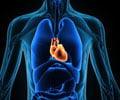
Heart disease patients should participate in resistance exercises as a part of healthy lifestyle changes, rather than focusing primarily on weight loss.

Fresh Fruits Can Cut Heart Disease Risk in China
Two hundred and thirty million people suffer from cardiovascular diseases such as high blood pressure, stroke and heart failure in China.
Two hundred and thirty million people suffer from cardiovascular diseases such as high blood pressure, stroke and heart failure in China.
TOP INSIGHT

Regardless of a person's level of fat mass, a higher level of muscle mass helps reduce the risk of death in people with heart disease.
The researchers examined data from the National Health and Nutrition Examination Survey, 1999 to 2004, of 6,451 participants who had prevalent cardiovascular disease. Each subject was categorized into one of four groups: low muscle/low fat mass, low muscle/high fat mass, high muscle/low fat mass, high muscle/high fat mass.
Those with high muscle mass and low fat mass had the lowest risk of cardiovascular and total mortality. Because people with higher muscle mass were more likely to have a high body mass index, the findings could explain the "obesity paradox," which holds that people with a higher BMI have lower mortality levels.
US Task Force Recommends Aspirin Intake for Preventing Heart Disease and Colorectal Cancer
Heart disease, cancer or stroke are blamed for over half of all deaths in the United States in 2011.
Heart disease, cancer or stroke are blamed for over half of all deaths in the United States in 2011.
Dr. Preethi Srikanthan, associate clinical professor of medicine in the division of endocrinology at the David Geffen School of Medicine, is the study's primary investigator. The study's co-authors are Dr. Tamara Horwich, health sciences clinical professor of medicine, division of cardiology, and Dr. Chi-hong Tseng, adjunct associate professor of medicine in the division of general internal medicine and health services research. The study was published in the American Journal of Cardiology.

Eating Less Saturated Fats May Not Reduce Risk of Heart Disease and Death
Animal fat in meat, butter, cheese and cream has been blamed for boosting artery-clogging cholesterol linked to heart disease and stroke.
Animal fat in meat, butter, cheese and cream has been blamed for boosting artery-clogging cholesterol linked to heart disease and stroke.
Metformin Lowers Risk of Heart Disease Deaths
Metformin is the most frequently prescribed drug for type 2 diabetes and now reduces the risk of heart disease by 40%
Metformin is the most frequently prescribed drug for type 2 diabetes and now reduces the risk of heart disease by 40%
 Email
Email