MEDINDIA
 English
 हिन्दी
 Español
 français
 中文
中文
Obesity during pregnancy can increase the risk of heart disease by causing molecular changes and altering nutrient metabolism genes in offspring for life.
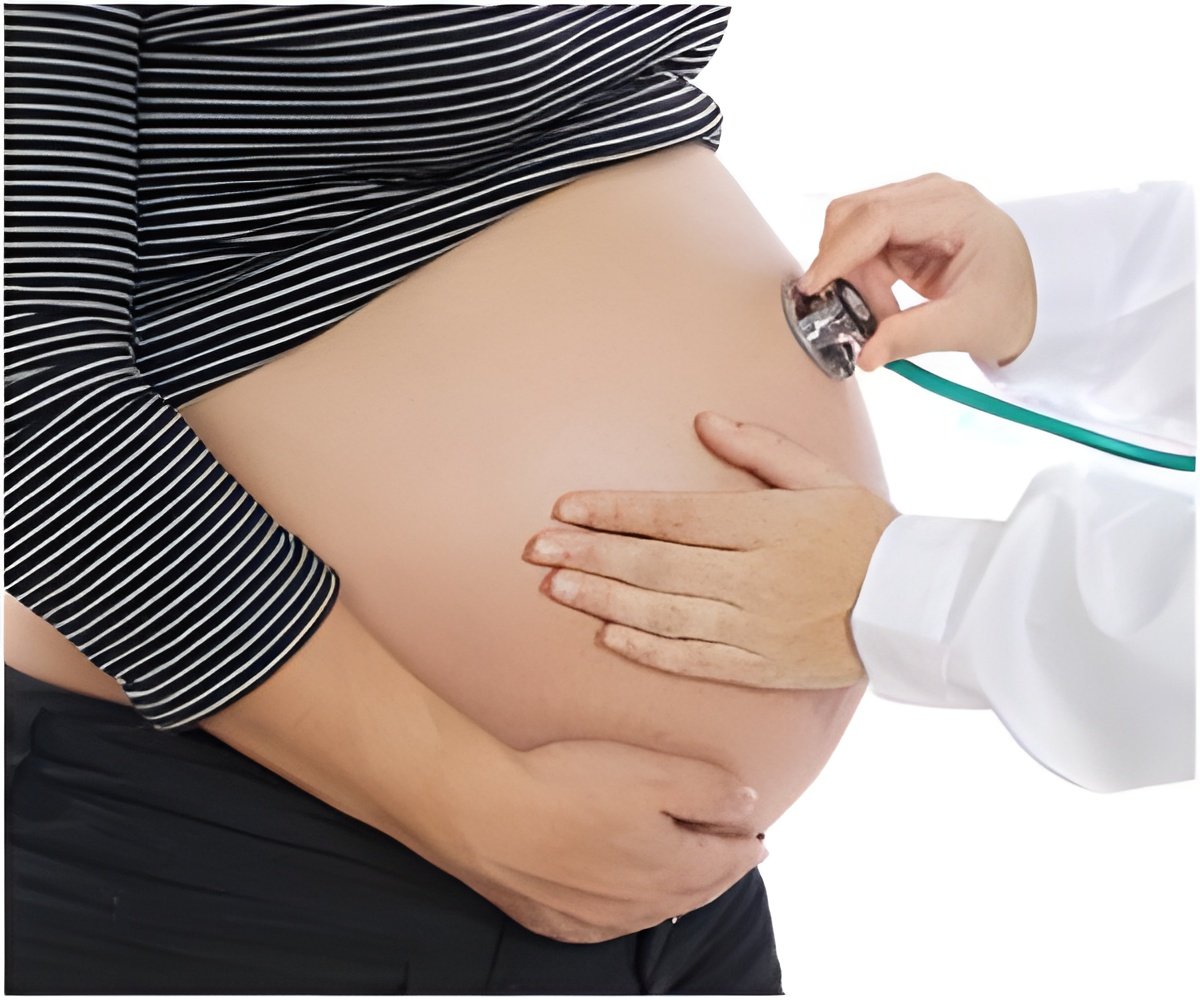
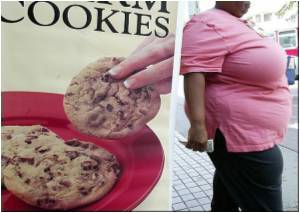
Obesity In Pregnancy Lowers Power To Fight Infections
Obesity in pregnancy lowers one’s ability to fight infections. That could in turn could affect the baby’s health after birth and later in life.
Obesity in pregnancy lowers one’s ability to fight infections. That could in turn could affect the baby’s health after birth and later in life.
TOP INSIGHT

Understanding the mechanisms involved can help develop new treatments that could help prevent later-life cardiometabolic illnesses early.
Research Using a Mouse Model
The researchers from the University of Colorado, US, used a mouse model that replicates human maternal physiology and placental nutrient transport in obese women.Female mice (n = 31) were fed a diet with a high-fat content together with a sugary drink, which is equivalent to a human regularly consuming a burger, chips and a fizzy drink (1,500 kcal). The female mice consumed this diet until they had developed obesity, putting on about 25% of their original body weight and 50 female mice were fed a controlled diet.
Mouse pups (n = 187) were studied in utero, as well as after birth at 3, 6, 9 and 24 months using imaging techniques, including echocardiography and positron emission tomography (PET) scans. Researchers have analyzed genes, proteins and mitochondria of the offspring.

Maternal Obesity may Interfere with the Child's Developing Brain
Obesity in expectant mothers could hinder the development of the babies' brains as early as the second trimester, reveals a new study.
Obesity in expectant mothers could hinder the development of the babies' brains as early as the second trimester, reveals a new study.
Interestingly,
although both male and female offspring from mothers with obesity had impaired cardiac function, there were differences in the progression between sexes;
males were impaired from the start, whereas females’ cardiac function got progressively worse with age.
Healthy Diet and Exercise During Pregnancy Lead to Healthier Children
Physical activity and antenatal diet intervention in pregnant women with obesity could positively impact the health of the women and their kids three years after giving birth, finds a new study.
Physical activity and antenatal diet intervention in pregnant women with obesity could positively impact the health of the women and their kids three years after giving birth, finds a new study.
Lead author, Dr. Owen Vaughan, University of Colorado, US said: “Our research indicates a mechanism linking maternal obesity with cardiometabolic illness in the next generation. This is important because
obesity is increasing rapidly in the human population and affects almost one-third of women of childbearing age.
By improving our understanding of the mechanisms involved, this research paves the way for treatments that could be used in early life to prevent later-life cardiometabolic illnesses, which are costly for health services and affect many people’s quality of life. For example, we could offer more tailored advice on nutrition to mothers or children based on their body mass index or sex, or develop new drugs that target metabolism in the heart of the fetus.”
Study Shows How Obesity can Rewire the Immune System
In obese mice with atopic dermatitis (skin inflammation), treated with drugs that target the immune system make their skin worse instead.
In obese mice with atopic dermatitis (skin inflammation), treated with drugs that target the immune system make their skin worse instead.
Source-Eurekalert
 Email
Email