MEDINDIA
 English
 हिन्दी
 Español
 français
 中文
中文
Abnormalities during embryogenesis can lead to structural birth defects, including congenital heart defects and neural tube defects.
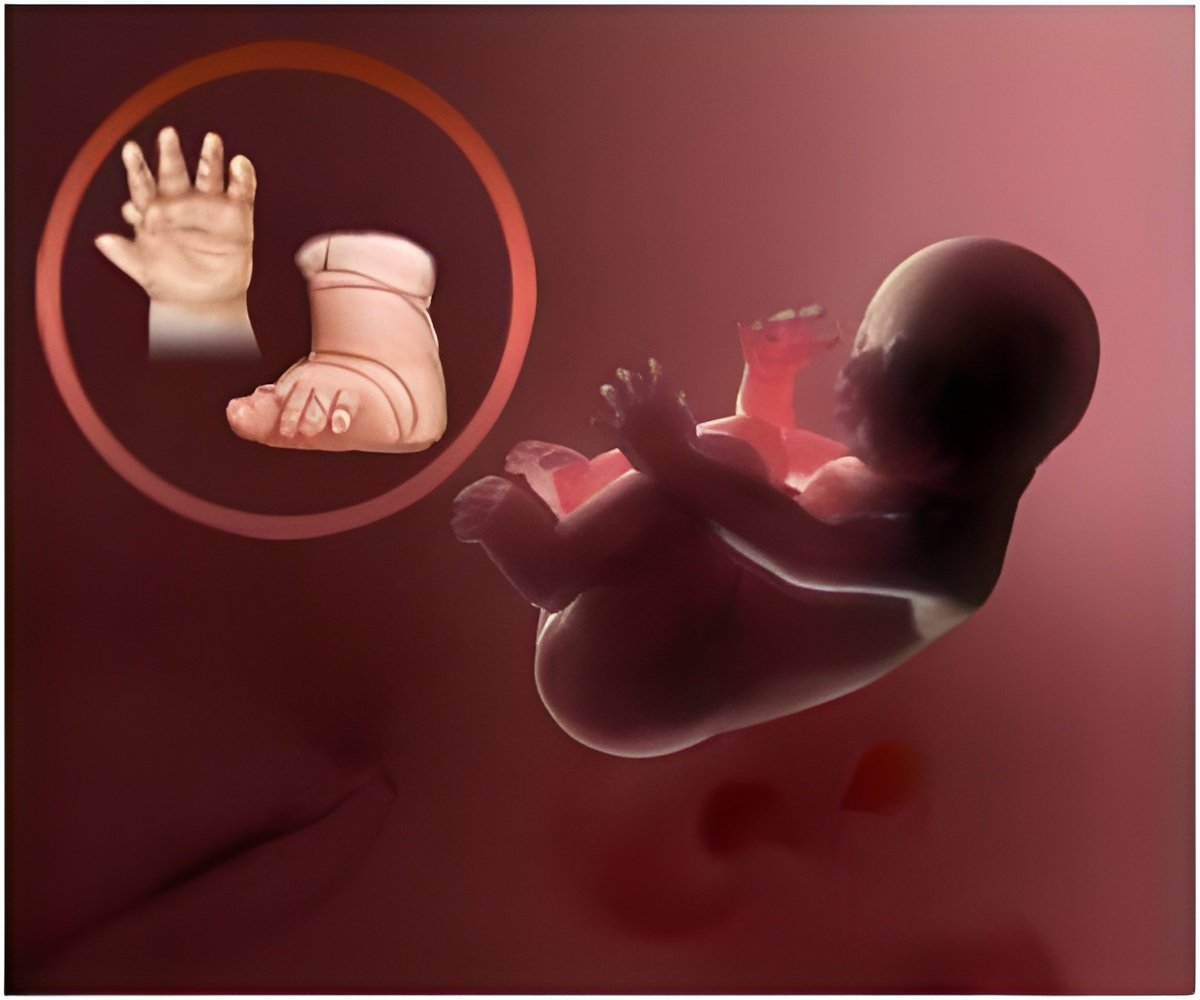
Knowledge assessment of women of reproductive age on birth defects: a descriptive cross-sectional study in Kenya
Go to source).
Birth Defects - Types, Causes, Diagnosis, Prevention, Treatment
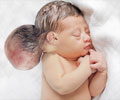
Birth defects are abnormalities that occur in babies which affect how the body looks, works or both. They can be structural or functional in nature.
Birth defects are abnormalities that occur in babies which affect how the body looks, works or both. They can be structural or functional in nature.
TOP INSIGHT

Did You Know?
Many women of #childbearing age are falling short on #folate, with 1 in 5 having low levels and most not meeting daily recommendations. #birthdefectprevention #reproductivehealth #womenhealth #maternalhealth #neuraltubedefects #medindia
Pre-Pregnancy Care: Key to Reducing Birth Defect Risks
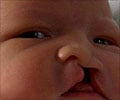
The new study appearing in the American Journal of Preventive Medicine, published by Elsevier, highlights that identifying and addressing these changeable risk factors, especially before pregnancy, are important for public health programs and healthcare providers to improve women's support and reduce the risk of birth defects.Congenital heart defects, orofacial clefts, and neural tube defects (NTDs) are structural birth defects resulting from abnormalities during embryogenesis that can range in severity. These conditions are among some of most common birth defects, with prevalence of about 100 per 10,000 live births, 16 per 10,000 live births, and 7 per 10,000 live births in the United States, respectively.

Quiz on Birth Defects
Birth defects are structural or functional abnormalities that happen while a baby is developing in the mother’s body. Most birth defects occur during the first trimester of pregnancy. Main categories of birth defects include structural birth defects ...
Birth defects are structural or functional abnormalities that happen while a baby is developing in the mother’s body. Most birth defects occur during the first trimester of pregnancy. Main categories of birth defects include structural birth defects ...
Birth Defect Pathogenesis: Non-modifiable and Modifiable Risk Factors
Lead investigator Arick Wang, PhD, Division of Birth Defects and Infant Disorders, National Center on Birth Defects and Developmental Disabilities, Centers for Disease Co⁸ntrol and Prevention, writes, “The pathogenesis of these common birth defects is multifactorial and includes both nonmodifiable and modifiable risk factors.Common modifiable risk factors have been identified through epidemiological studies and include food insecurity, folate insufficiency, vitamin B12 deficiency, pregestational diabetes mellitus, pregestational obesity, and exposure to cigarette smoke. These risk factors may contribute to birth defects through the one-carbon cycle metabolism, a series of pathways essential for cell growth and replication.”
Researchers assessed the prevalence and trends of risk factors for these selected birth defects among non-pregnant, non-lactating women of reproductive age (12–49 years) in the United States.
“The invaluable NHANES health survey helped us understand health trends and concerns among the U.S. population. We used data from 2007 to 2020 to examine modifiable risk factors for birth defects. The most significant finding—that two thirds of women of reproductive age had at least one modifiable risk factor—highlights how common these changeable risk factors are. The good news is that they can be lowered,” says Dr. Wang.
Risk of Birth Defects also Dependant on Profession of Father
Delving into the area of birth defects, one of the primary causes of infant deaths and developmental disabilities in children,
Delving into the area of birth defects, one of the primary causes of infant deaths and developmental disabilities in children,
The Role of Folic Acid in Preventing Birth Defects
Since 1992, the U.S. Public Health Service has recommended the consumption of 400µg/day of folic acid for the prevention of NTDs. Dr. Wang remarks, “I was pleased to see a meaningful decrease of women with low blood folate status over the course of this study period—2007 to 2020—a decrease from 23.4% down to 17.9%. Since implementation of folic acid fortification of enriched cereal grains in the U.S., more than 1300 babies are born without neural tube defects annually who might have otherwise been born with these conditions. Seeing the result of public health efforts in the improved folate status of women of reproductive age underscores both the effectiveness of population-level interventions and the meaningful progress we've made in preventing birth defects."This analysis limited its scope to well-established and potentially modifiable risk factors for selected birth defects and did not account for all possible risk factors.
Modifiable Risk Factors
- Low folate status: One in five women of reproductive age exhibited low red blood cell folate concentrations and roughly four out of five consumed less than the recommended 400µg/day folic acid for NTD prevention, with approximately 72% reporting not consuming supplements containing folic acid.
- Diabetes: 4.8% of the investigated women had diabetes, with 3.5% of them having uncontrolled or undiagnosed diabetes, suggesting poor glycemic control.
- Obesity: Investigators found nearly one in three women of reproductive age have obesity in the U.S., similar to previously reported estimates.
- Tobacco use and exposure: Nearly 1 in 5 women of reproductive age had elevated serum cotinine levels, indicating tobacco exposure from any source (smoking, vaping, or passive exposure).
- Food insecurity: About 7.3% of the women investigated reported very low household food security, with decreasing prevalence as household income-to-poverty ratio increased.
Reference:
- Knowledge assessment of women of reproductive age on birth defects: a descriptive cross-sectional study in Kenya - (https://pmc.ncbi.nlm.nih.gov/articles/PMC11489745/)
Source-Eurekalert

Likely Cause of Common Penis Birth Defect Identified
Tissues samples with mild cases of hypospadias (male birth defect) had a greater degree of epigenetic alterations, revealed study.
Tissues samples with mild cases of hypospadias (male birth defect) had a greater degree of epigenetic alterations, revealed study.
 Email
Email