MEDINDIA
 English
 हिन्दी
 Español
 français
 中文
中文
Abramson Cancer Center study has identified new method of priming macrophages to boost anti-tumor response.

Macrophages: New Prospects in Fight Against Neurodegenerative Conditions
Long-lived macrophages were found to play a very important role in the gastrointestinal tract.
Long-lived macrophages were found to play a very important role in the gastrointestinal tract.
TOP INSIGHT

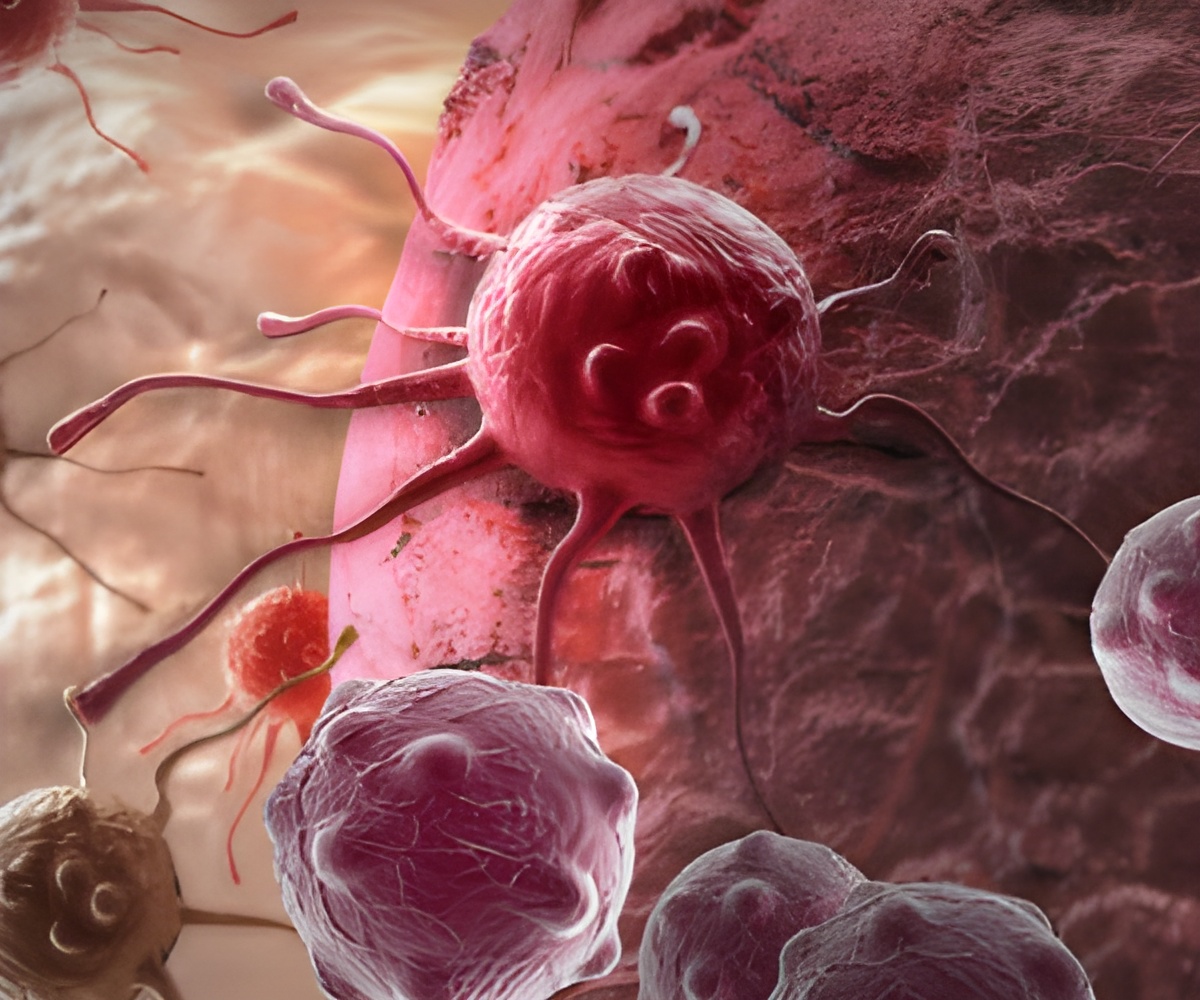
Immune cells called macrophages are supposed to serve and protect, but cancer has found ways to put them to sleep.
"It turns out macrophages need to be primed before they can go to work, which explains why solid tumors may resist treatment with CD47 inhibitors alone," said the study's senior author Gregory L. Beatty, MD, PhD, an assistant professor of Hematology-Oncology at Penn's Perelman School of Medicine. Jason Mingen Liu, an MD and PhD graduate student in Beatty's lab, is the study's lead author.
The team used this approach by activating macrophages with CpG, a toll-like receptor agonist that sends the first signal, and found that it rapidly induced shrinkage of tumors and prolonged survival of mice even without the requirement of T cells. Unexpectedly, they also found that the activated macrophages were able to eat cancer cells even in the presence of high levels of CD47. To understand the molecular basis of this phenomenon, the team traced the metabolic activity of macrophages and determined that activated macrophages began to utilize both glutamine and glucose as fuel to support the energy requirements needed for them to eat cancer cells. This rewiring of the macrophages metabolism was necessary for CpG to be effective, and the researchers say these findings point to the importance of macrophage metabolism in determining the outcome of an immune response.

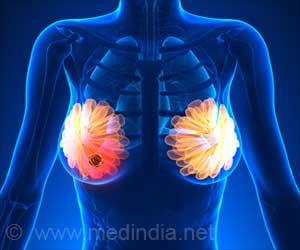
Cancer Key Facts and Statistics
Cancer is an abnormal cell growth and it can destroy other body tissues. 1 in 6 deaths that occur in the world is due to cancer. Here are some key facts and statistics about cancer
Cancer is an abnormal cell growth and it can destroy other body tissues. 1 in 6 deaths that occur in the world is due to cancer. Here are some key facts and statistics about cancer
Source-Eurekalert

Quiz on Cancer
Cancer, is the second most leading cause of death worldwide. Cancer is not just one disease but many diseases. There are more than 100 different types of cancer. Take this quiz on and test how much you know about cancer.
Cancer, is the second most leading cause of death worldwide. Cancer is not just one disease but many diseases. There are more than 100 different types of cancer. Take this quiz on and test how much you know about cancer.

Lifetime Risk Calculator for Cancers
What are your chances for developing some common cancers in your lifetime - find out now.
What are your chances for developing some common cancers in your lifetime - find out now.
 Email
Email