MEDINDIA
 English
 हिन्दी
 Español
 français
 中文
中文
IgA antibodies secreted in the gut promote the growth of beneficial bacteria, found new research.
Amazing Benefits of Gut Bacteria
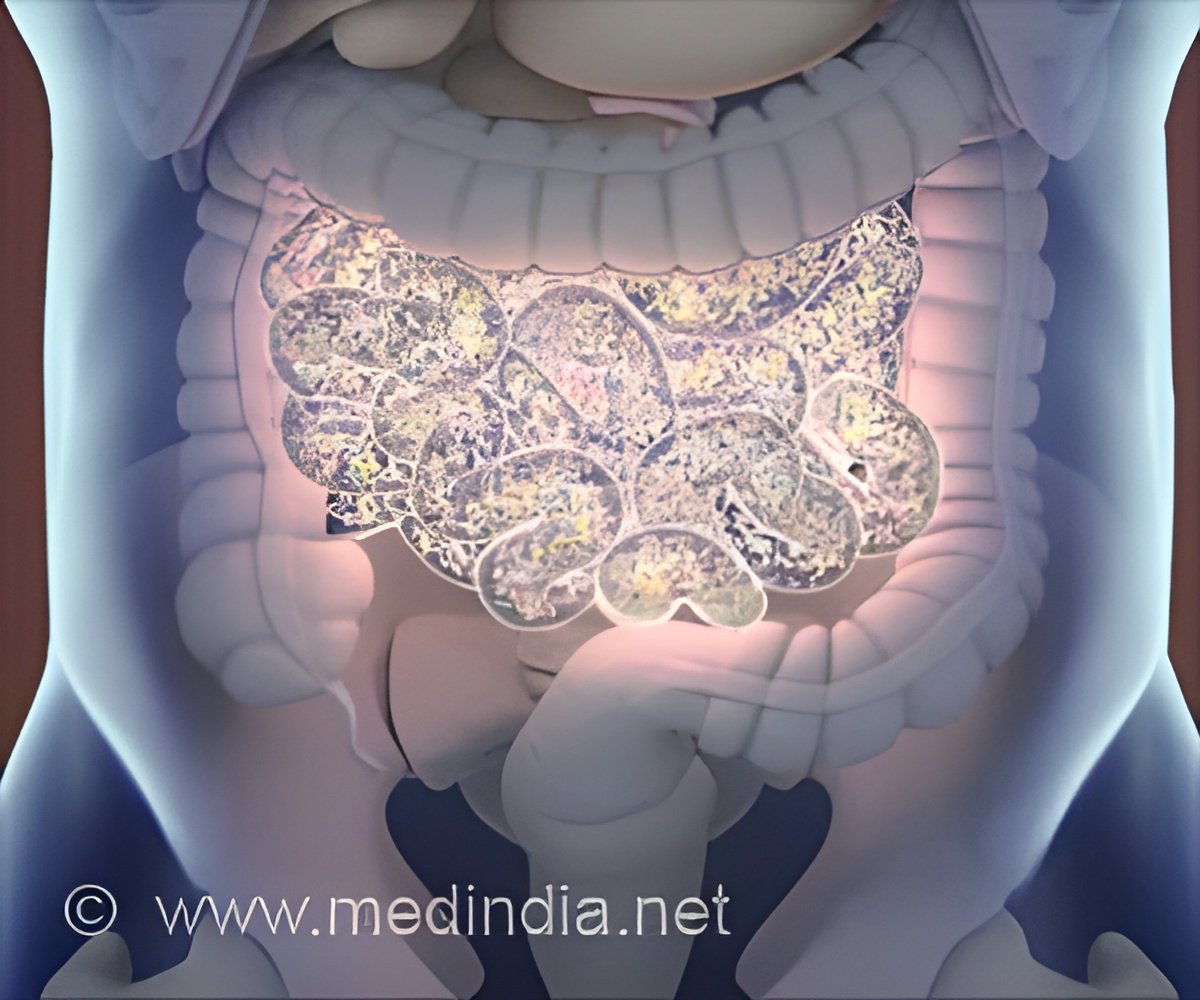
The bacteria that live in the gut offer numerous health benefits such as synthesis of vitamin K, boosting immunity and metabolism of bile acids.
The bacteria that live in the gut offer numerous health benefits such as synthesis of vitamin K, boosting immunity and metabolism of bile acids.
TOP INSIGHT

Host antibodies shape gut microbiome by changing bacteria gene expression
The prominent human gut bacterium Bacteroides thetaiotaomicron (B. theta) was particularly susceptible to coating by IgA. Suzuki and colleagues discovered that exposure to IgA causes B. theta to up-regulate two proteins that were structurally shared with many other bacterial strains, and the researchers named these molecules Mucus-Associated Functional Factors (MAFFs). These proteins appear to help B. theta grow in the mucous membrane of the intestine and produce metabolites that allow other beneficial bacteria, such as Clostridiales, to thrive as well. Mice inoculated with a strain of B. theta unable to up-regulate MAFFs had an altered gut microbiome and were more susceptible to intestinal inflammation, or colitis.
"We knew that immunoglobulin A contributed in some way to gut health, but it was exciting to discover this new mechanism--the MAFF system--that actually promotes symbiosis among the bacteria that inhabit the mucus membrane of the gut," Dr. Suzuki says. "The MAFF system is also present in humans," he continues, "so it is an interesting target of research, but there is still much to be investigated. We need to identify its molecular target and find out how its expression is regulated along with neighboring genetic elements, with the hope that answering these questions could lead to the development of new methods for therapies or prophylaxis of inflammatory bowel disease."

Antibiotics Affect Gut Bacteria and Reduce Glucose Level in the Blood
Depleting microbiome with antibiotics can affect glucose metabolism, research at the Salk Institute finds. These findings suggest that microbiome can be manipulated to make the gut produce high levels of hormones that make the body more sensitive to insulin.
Depleting microbiome with antibiotics can affect glucose metabolism, research at the Salk Institute finds. These findings suggest that microbiome can be manipulated to make the gut produce high levels of hormones that make the body more sensitive to insulin.

Deleting a Single Gene from Gut Bacteria Alters Metabolism
Single genetic change in gut bacteria alters host metabolism, research at the Harvard Medical School finds. This finding provides an important step towards understanding how gut bacteria affects metabolism.
Single genetic change in gut bacteria alters host metabolism, research at the Harvard Medical School finds. This finding provides an important step towards understanding how gut bacteria affects metabolism.
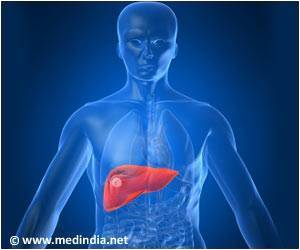
Gut Microbiome's Control on Tumour Growth in the Liver
Bacteria found in the gut may affect the liver's anti-tumour immune function and may pave the way forward to treat liver cancer.
Bacteria found in the gut may affect the liver's anti-tumour immune function and may pave the way forward to treat liver cancer.
 Email
Email