MEDINDIA
 English
 हिन्दी
 Español
 français
 中文
中文
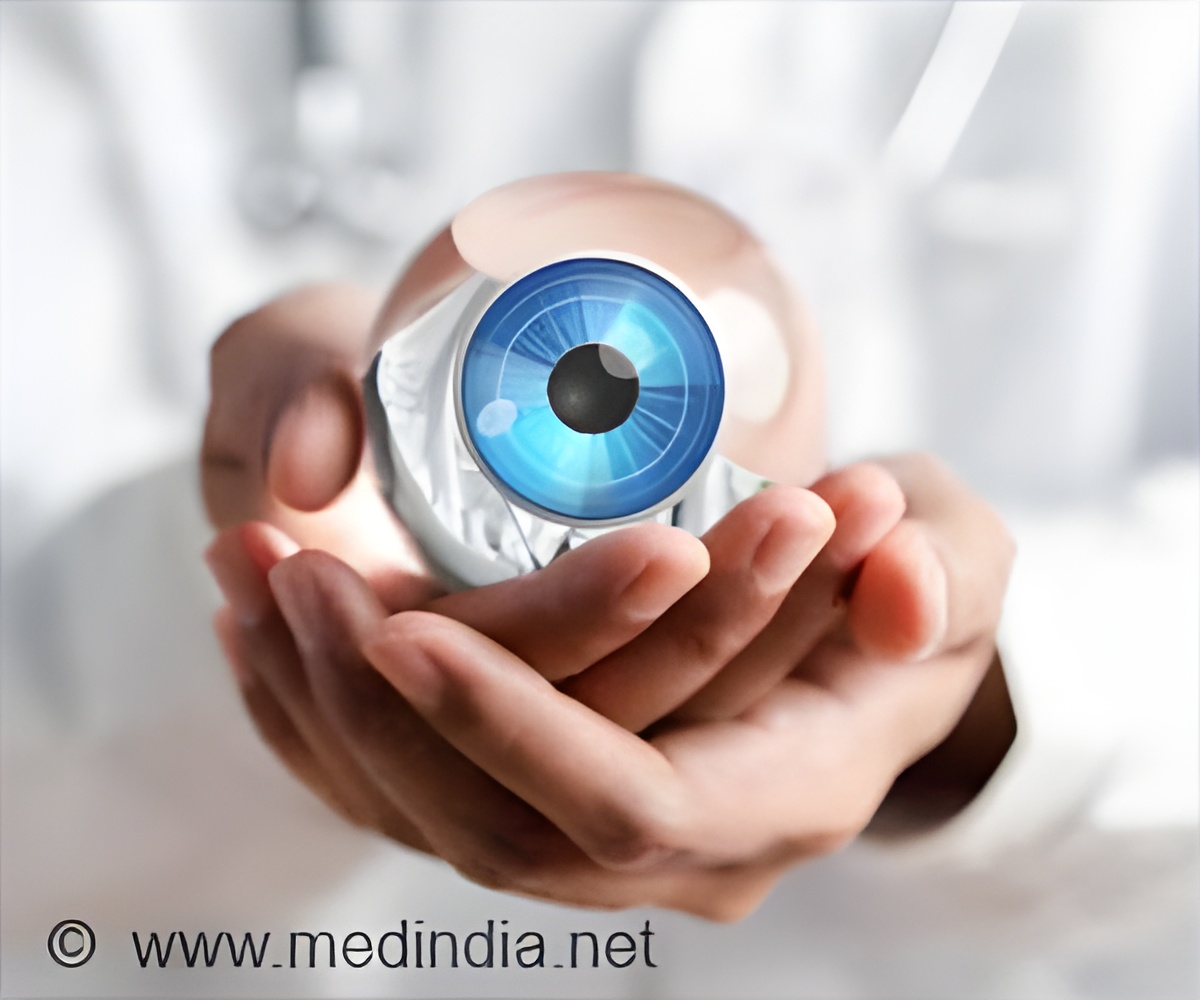
Explore how eye scan technology shows a clearer picture to predict and fight aging diseases, providing the way for prevention.
Mendelian randomization study implicates inflammaging biomarkers in retinal vasculature, cardiovascular
Go to source) .

Retina: Future of Non-Invasive Stroke Prediction
Can a retinal scan reveal your stroke risk? Scientists say yes- learn how a vascular "fingerprint" in your eye may transform early stroke detection!
Can a retinal scan reveal your stroke risk? Scientists say yes- learn how a vascular "fingerprint" in your eye may transform early stroke detection!
TOP INSIGHT

Did You Know?
A simple #retinal scan of tiny blood vessels could help detect #heart disease, #stroke and #dementia. Such novel techniques create new path for designing targeted drugs. #eyehealth #hearthealth #neurology #hematology #medindia
The study was published in Sciences Advances.
“By connecting retinal scans, genetics, and blood biomarkers, we have uncovered molecular pathways that help explain how aging affects the vascular system,” says Marie Pigeyre, senior author of the study and associate professor with McMaster’s Department of Medicine.

Quiz on Stroke
Stroke is the third leading cause of death world over. Besides, it also disables the affected people, making them completely dependent on caregivers for their daily needs. Lifestyle greatly affects the chances of developing a stroke. Thus, the ...
Stroke is the third leading cause of death world over. Besides, it also disables the affected people, making them completely dependent on caregivers for their daily needs. Lifestyle greatly affects the chances of developing a stroke. Thus, the ...
Retinal Scans Mirror Systemic Circulatory Changes
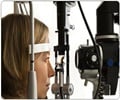
“The eye provides a unique, non-invasive view into the body’s circulatory system. Changes in the retinal blood vessels often mirror changes occurring throughout the body's small vessels,” adds Pigeyre, a scientist with PHRI.To conduct the study, researchers combined retinal scans, genetic data and blood sample analyses from over 74,000 participants across four major cohorts: the Canadian Longitudinal Study on Aging (CLSA), the Genetics of Diabetes Audit and Research Tayside Study (GoDARTS), the UK Biobank (UKBB), and the PHRI Prospective Urban Rural Epidemiological (PURE) study.
Test Your Knowledge on Dementia
Dementia is a leading cause of disability in older people. It is a condition where brain cells are permanently damaged or functionally impaired. Till 2015, about 47.5 million people suffer from dementia across the globe. There are various conditions ...
Dementia is a leading cause of disability in older people. It is a condition where brain cells are permanently damaged or functionally impaired. Till 2015, about 47.5 million people suffer from dementia across the globe. There are various conditions ...
Focusing on Molecular Pathways and Vascular Status
Currently, assessing age-related diseases like heart disease, stroke and dementia require multiple tests. The hope is that retinal scans alone could eventually be used as a quick, accessible way to assess aging and cardiovascular risk, but for now, the full picture still requires deeper clinical assessment.This helped them identify specific proteins that may drive aging and disease.
Two of the more notable proteins are MMP12 and IgG–Fc receptor IIb – both of which are linked to inflammation and vascular aging. According to Pigeyre, these proteins could be potential targets for future drugs.
“Our findings point to potential drug targets for slowing vascular aging, reducing the burden of cardiovascular diseases, and ultimately improving lifespan,” she says.
Reference:
- Mendelian randomization study implicates inflammaging biomarkers in retinal vasculature, cardiovascular diseases and longevity-(https://www.science.org/doi/10.1126/sciadv.adu1985)
Source-Eurekalert
 Email
Email