MEDINDIA
 English
 हिन्दी
 Español
 français
 中文
中文
Hormonal changes influence brain circuits, and understanding this link may explain fluctuations in neuropsychiatric disorders.
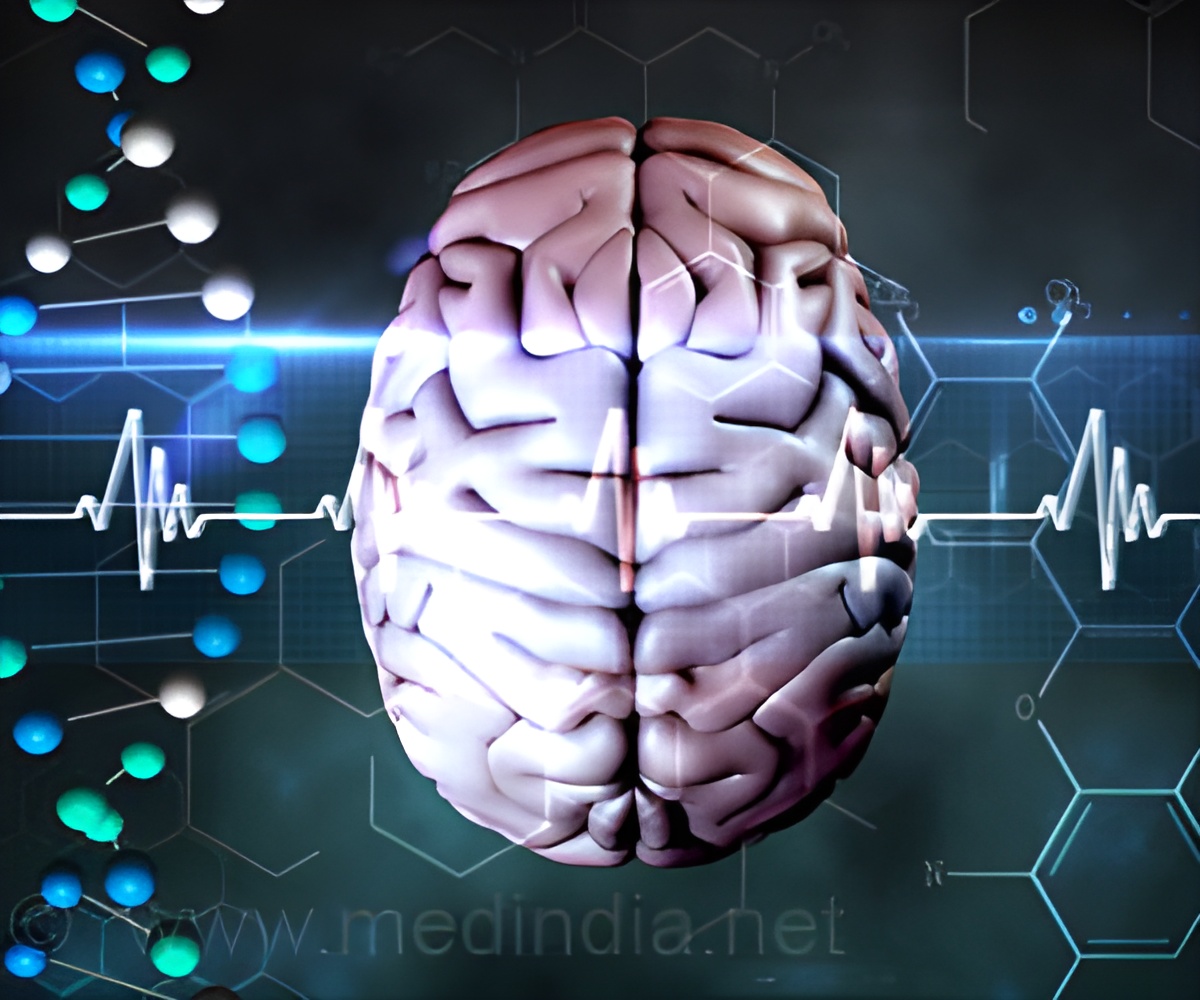
Shaping the Brain's Destiny for Treating Neuropsychiatric Disorders
From childhood through adolescence, the brain constantly changes, and researchers are making strides in identifying a potential treatment target for neuropsychiatric disorders.
From childhood through adolescence, the brain constantly changes, and researchers are making strides in identifying a potential treatment target for neuropsychiatric disorders.
TOP INSIGHT

Suppressing #estrogen activity diminished learning by curbing its dopamine-regulating role. This discovery points to a hormone-level connection with #neuropsychiatric symptoms. The effect was specific to learning, not decision making. #Learning #Dopamine
Estrogen Fine-Tunes the Brain’s Dopamine System, Shaping Learning and Motivation
A recent study, led by a team of neuroscientists investigating the female hormone estrogen, sheds new light on this complex relationship. Through a series of controlled experiments with laboratory rats, the researchers discovered that the brain’s learning and decision-making processes naturally fluctuate across the female reproductive cycle.These changes, they found, are driven by previously undetected molecular shifts in dopamine signaling—the key neurotransmitter responsible for transmitting “reward” cues that reinforce learning and shape behavior.
The findings reveal that estrogen dynamically tunes the brain’s dopamine system, subtly altering how rewards are processed and how decisions are made. This breakthrough not only deepens our understanding of the hormonal influences on cognition but may also provide new insights into sex-specific differences in learning, motivation, and vulnerability to certain mental health disorders.
The work is reported in the journal Nature Neuroscience.

Food and Mood
People are more alert when their brains are producing the neurotransmitters dopamine and norepinephrine, while serotonin production in the brain has been associated with a more calming effect.
People are more alert when their brains are producing the neurotransmitters dopamine and norepinephrine, while serotonin production in the brain has been associated with a more calming effect.
Experts Highlight the Growing Link Between Estrogen, Cognition, and Mental Health
“Despite the broad influence of hormones throughout the brain, little is known about how these hormones influence cognitive behaviors and related neurological activity,” says Christine Constantinople, a professor in New York University’s Center for Neural Science and the paper’s senior author.“There is a growing realization in the medical community that changes in estrogen levels are related to cognitive function and, specifically, psychiatric disorders.”
“Our results provide a potential biological explanation that bridges dopamine’s function with learning in ways that better inform our understanding of both health and disease,” adds Carla Golden, an NYU postdoctoral fellow and the paper’s lead author.
The study, which also included researchers from NYU Grossman School of Medicine’s Neuroscience Institute and Virginia Commonwealth University’s Department of Pharmacology and Toxicology, examined the neurological activity of laboratory rats in response to a series of experiments.
In them, the rodents successfully reached a “reward”—in this case, a water source—after learning the significance of audio cues, which signaled the water’s availability and volume.
Overall, the rats’ learning capabilities were enhanced when estrogen levels were increased. This happens, the authors write, because estrogen boosts dopamine activity in the brain’s reward center, making reward signals stronger.

Brain Depression - Animation
Interactive section of Medindia provides information about chemistry of Brain depression
Interactive section of Medindia provides information about chemistry of Brain depression
Reduced Estrogen Impairs Learning, Suggesting Links to Neuropsychiatric Symptoms
By contrast, when estrogen activity was suppressed, curbing its ability to regulate dopamine, learning capabilities were diminished—and pointed to a potential connection between hormone levels and symptoms of neuropsychiatric disorders. Importantly, the researchers note, cognitive decision making was not affected by estrogen activity—the effect was specific to learning.“All neuropsychiatric disorders show fluctuations in symptom severity over hormonal states, suggesting that a better understanding of how hormones influence neural circuits might reveal what causes these diseases,” observes Constantinople.
Source-Eurekalert

Ten Super Foods to Boost your Brain Power
Enhance your brain health by adding super foods to your daily diet. Here are 10 of them.
Enhance your brain health by adding super foods to your daily diet. Here are 10 of them.
 Email
Email