MEDINDIA
 English
 हिन्दी
 Español
 français
 中文
中文
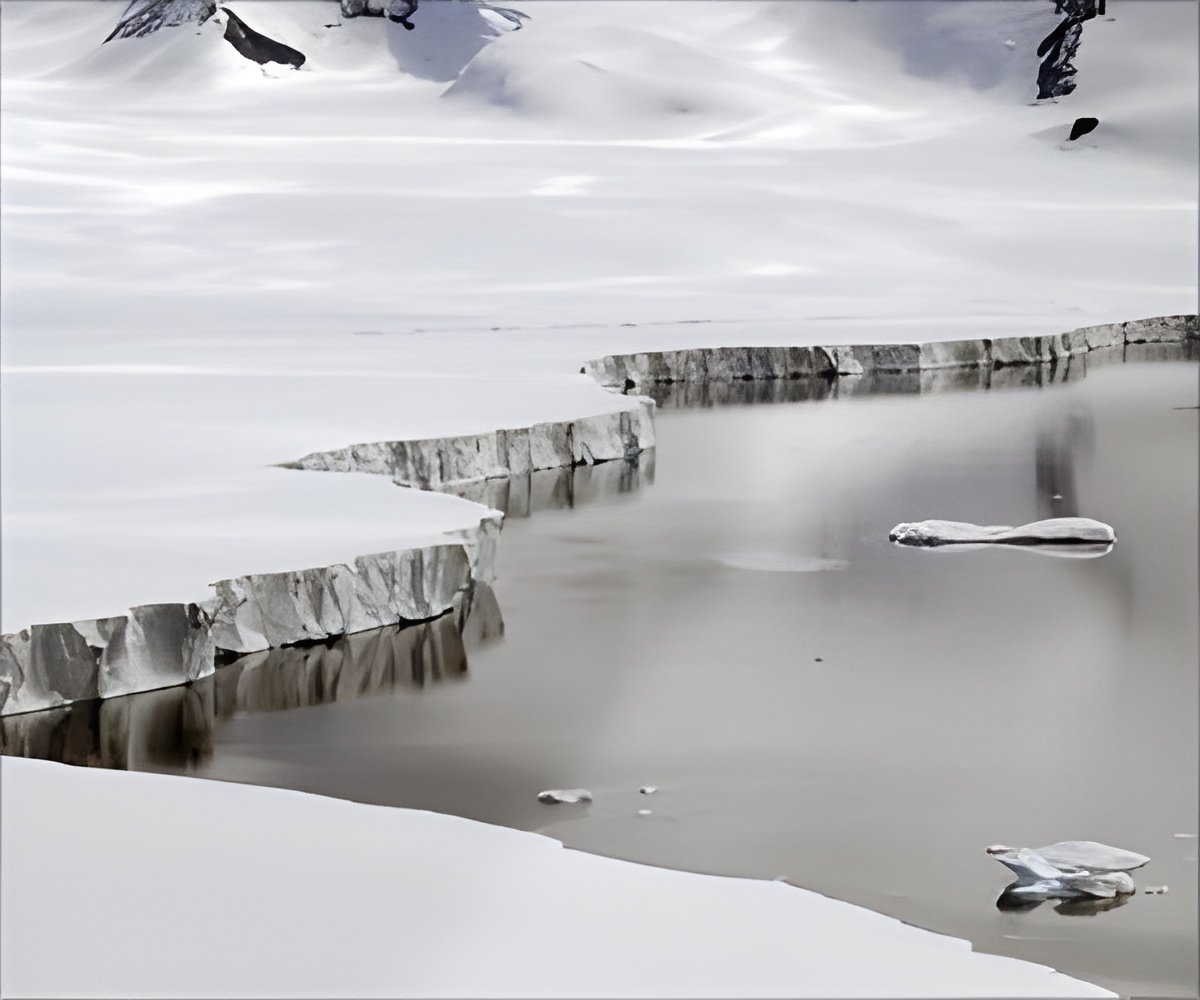
The melting poles are reshaping global health, increasing diseases, food scarcity, and mental distress worldwide.
A framework for assessing global health impacts of polar change: An urgent call for interdisciplinary research
Go to source).
Climate Change Pushes Deadly Fungi Northward
Rising temperatures are driving pathogenic Aspergillus fungi into new territories, affecting global health and agriculture.
Rising temperatures are driving pathogenic Aspergillus fungi into new territories, affecting global health and agriculture.
TOP INSIGHT

Did You Know? Polar regions are warming up to 4× faster than the rest of Earth, turning ice melt into a global health emergency. #climatechange #globalwarming #medindia
What’s Happening at the Poles
The Arctic warms four times rapidly than the rest of the world and the Antarctic approximately twice as rapidly. This rapid change triggers:- Thawing ice sheets and ice caps, elevating the sea level.
- Melting permafrost, leaching toxins and archaic microbes.
- Heating and acidifying the sea, killing marine life.
- The extremes of heat, cold, floods, and wild fires that rock the world are caused by changes in the jet streams and ocean currents.
Climate Change Is Making Major Cities Unlivable
A Scientific Reports study warns that hundreds of cities may soon face unlivable heat, affecting millions and testing global resilience to climate change.
A Scientific Reports study warns that hundreds of cities may soon face unlivable heat, affecting millions and testing global resilience to climate change.
How Polar Change Affects Health
Regional (Arctic) Impacts
- Direct effects: Collapsing roads, floodings, soil-thawing pollution as well as viruses and chemicals release are dangerous.
- Indirect effects: Indigenous populations are impacted through the loss of traditional food sources, mental distress, and new insect-borne diseases that have health and culture implications on the Indigenous population.
Global Direct Effect
- The rise in sea level pollutes drinking water, promotes chronic illnesses, and contributes to food shortages.
- Violent weather (storms, floods, droughts) causes injuries, infections, problems with pregnancy, and deaths. High temperatures and low temperatures initiate heart and kidney disorders, mental disorders and loss of sleep.
Global Indirect Effects
- Vector-borne diseases: Warming allows the entry of mosquitoes and ticks into new habitats that cause diseases such as malaria and dengue.
- Water born illnesses: Floods and drought decrease supply of food and lead to epidemics such as cholera.
- Mental health: Disasters, heat stress, and displacement cause the anxiety, depression, and trauma.

How Climate Change Ignited an Unimaginable Wildfire Season
Climate change cranked up the heat inducing wildfires across the Americas, and some spots burned 30 times larger than usual, causing massive CO₂ emissions.
Climate change cranked up the heat inducing wildfires across the Americas, and some spots burned 30 times larger than usual, causing massive CO₂ emissions.
Building a Health Framework
Scientists developed a model to connect the polar physical changes to the direct and indirect global health hazards, and they called for interdisciplinary collaboration between climate science, health, and policy. They point out that the present health research is usually compartmentalized and lacks the bigger picture – how polar change relates to the global well-being. Polar data can be incorporated in the health systems to enhance early alerts and inform better policies.Polar changes do not just exist in distant lands but they are potent forces behind global health tragedies. Their consequences are already affecting our future, be it sea floods or novel diseases. The article calls on collective action- connecting science, policy, and population health- to create a safer, healthier, and more resilient world.
References:
- A framework for assessing global health impacts of polar change: An urgent call for interdisciplinary research- (https://link.springer.com/article/10.1007/s13280-025-02255-0/)
Source-Springer
Climate Change can Cut Life Span by 6 Months
Explore how climate change-led increase in global temperature by 1°C reduces average human life expectancy by six months.
Explore how climate change-led increase in global temperature by 1°C reduces average human life expectancy by six months.
 Email
Email