MEDINDIA
 English
 हिन्दी
 Español
 français
 中文
中文
31.2% of Indian diabetics hit remission! Digital health plan proves the power of lifestyle modifications.
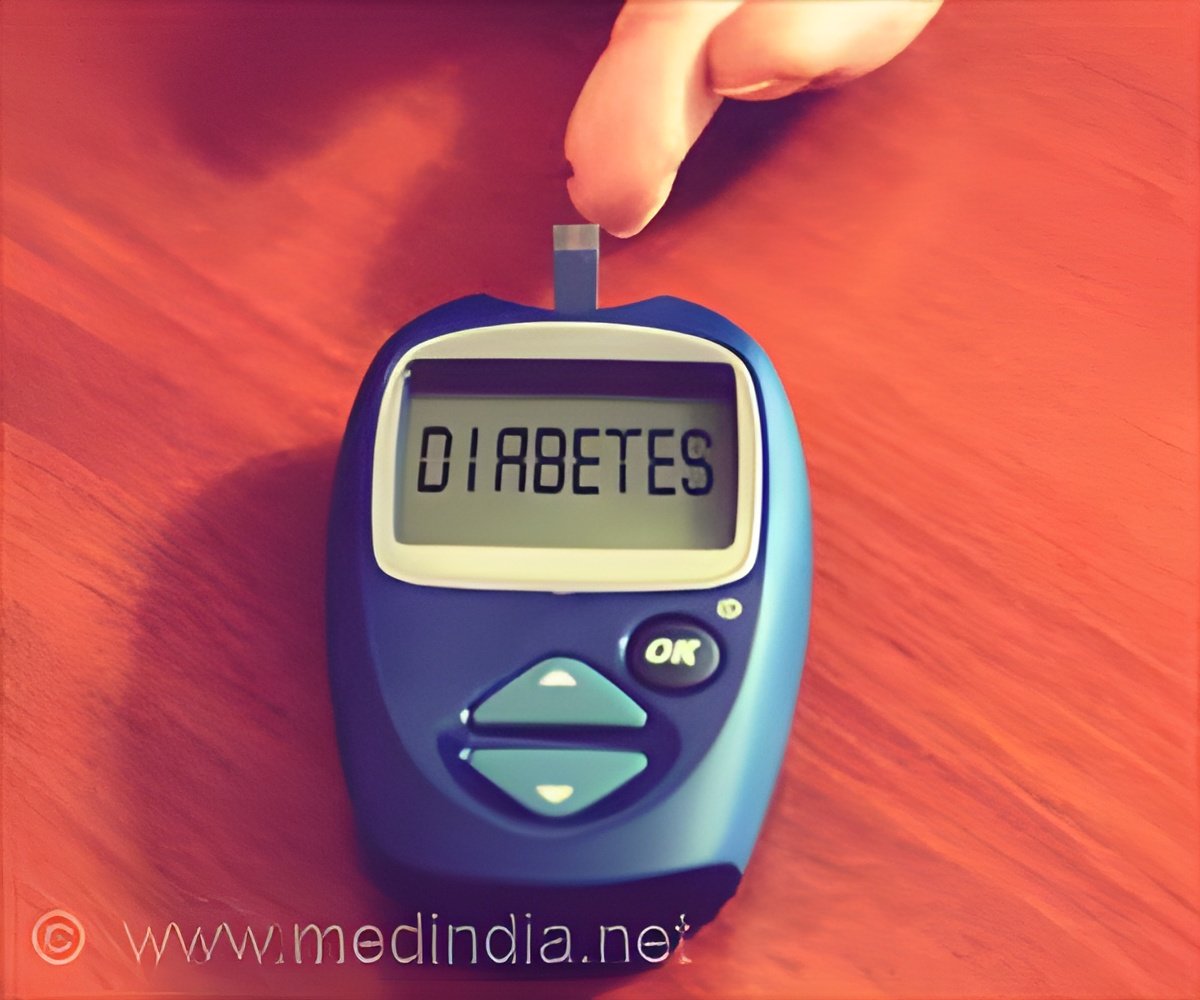
Type 2 diabetes remission and its predictors in an Indian cohort: A retrospective analysis of an intensive lifestyle intervention program
Go to source). Around 72 million people in India face diabetes crisis, while genetic factors and diet choices increase the population's risk.
Individual medical support, psychological counseling, plant-based diet patterns, and physical activity training through digital health programs may help people manage the diabetes risk. Such intervention proves the potency of lifestyle changes in diabetic control.

Type 2 Diabetes - Risk Factors - Symptoms & Signs - Management - Prevention
Globalization and changing lifestyles has made diabetes very common in developing countries so much so that India is known as the Diabetes Capital of the World.
Globalization and changing lifestyles has made diabetes very common in developing countries so much so that India is known as the Diabetes Capital of the World.
TOP INSIGHT

Did You Know?
Over 72 million Indians face high #Type2diabetes risk. 1/3 of patients under 50 got remission via #mobile_health (mHealth) and intense lifestyle changes.
#Type2Diabetes #mHealth #DigitalTherapeutics
Defining Diabetic Remission Success Without Medication Use
Researchers analyzed data from 2,384 adults with T2D who enrolled in a one-year online intensive lifestyle intervention program at the Freedom from Diabetes Clinic in India between May 2021 and August 2023.The intervention, provided by a six-member care team through a mobile application, included a personalized plant-based diet, structured physical activity, group therapy and individual psychological counseling, and medication management.
Overall, 744 participants (31.2%) achieved diabetes remission, defined as maintaining glycated hemoglobin (HbA1c) levels below 48 mmol/mol for at least three months without glucose-lowering medications.

Quiz on Diabetes
Diabetes has replaced every other condition to become the fastest growing lifestyle disease, globally. This disease also impacts children. Some people are more inclined to develop diabetes than others. Do you belong to the high- risk group? Spend 5 ...
Diabetes has replaced every other condition to become the fastest growing lifestyle disease, globally. This disease also impacts children. Some people are more inclined to develop diabetes than others. Do you belong to the high- risk group? Spend 5 ...
Comparing Progress of Metrics: Remission vs. Non-Remission
The remission group showed significantly greater improvements than the non-remission group in following parameters:- Weight (8.5% vs. 5.2% reduction)
- Body mass index (8.6% vs. 5.2% reduction)
- HbA1c (15.3% vs. 12.4% reduction)
- Fasting insulin (26.6% vs. 11.4% reduction)
- Insulin resistance (37.3% vs. 19.7% reduction)
Blood Sugar Chart
The blood sugar chart gives you the fasting glucose values and glucose tolerance test values for normal people and people with early diabetes and established diabetes. Also use the calculator to find out if you have diabetes.
The blood sugar chart gives you the fasting glucose values and glucose tolerance test values for normal people and people with early diabetes and established diabetes. Also use the calculator to find out if you have diabetes.
The Potential of Culturally Tailored Care for Type 2 Diabetes
The study was limited by its retrospective design and lack of a control group. Because the program required a subscription and participants who lacked follow up data were excluded from the analysis, there may have been selection biases.However, the authors conclude that a significant proportion of individuals with T2D can achieve remission through a comprehensive, culturally adapted lifestyle program.
The authors add: “Our research demonstrates that nearly one-third of individuals with type 2 diabetes can achieve remission through a scientifically designed, culturally tailored, and structured lifestyle intervention.”
“This represents the first large-scale evidence from India highlighting the potential of intensive lifestyle modification in achieving type 2 diabetes remission.”
Reference:
- Type 2 diabetes remission and its predictors in an Indian cohort: A retrospective analysis of an intensive lifestyle intervention program - (https://journals.plos.org/plosone/article?id=10.1371/journal.pone.0333114)
 Email
Email