MEDINDIA
 English
 हिन्दी
 Español
 français
 中文
中文
Women face a much higher risk of thyroid autoimmunity due to biological differences and hormonal transitions.
Highlights:
A review published in JAMA highlights why women experience thyroid disorders far more often than men. The findings shed light on the complex interaction between hormones, immunity, and life-stage changes that make women particularly vulnerable to thyroid dysfunction (1✔ ✔Trusted Source- Women show higher thyroid autoantibody levels across all ages
- Hormonal shifts increase the chance of thyroid imbalance
- Women are twice as likely as men to develop autoimmune thyroid issues
Autoimmune Thyroid Disease in Women
Go to source).

Why Are 1 in 8 Women Prone to Thyroid Disorders?
Explore the factors behind the vulnerability of 1 in 8 women to thyroid disorders, shedding light on the intricate interplay of genetics, lifestyle, and hormonal changes.
Explore the factors behind the vulnerability of 1 in 8 women to thyroid disorders, shedding light on the intricate interplay of genetics, lifestyle, and hormonal changes.
TOP INSIGHT

Did You Know?
Women are nearly twice as likely to carry thyroid antibodies. #thyroidhealth #womenwellness #medindia
Thyroid Autoimmunity in Women
Researchers found that more than 80 percent of people with acute or chronic thyroiditis have antithyroid autoantibodies, confirming the autoimmune nature of most thyroid disorders. In a large US sample, thyroid peroxidase antibodies were present in 3 percent of teenage boys compared with 7 percent of teenage girls, and the disparity grew wider with age. By 80 years, 12 percent of men had these antibodies, while the rate climbed to 30 percent in women. At every age, women were roughly twice as likely as men to carry these antibodies.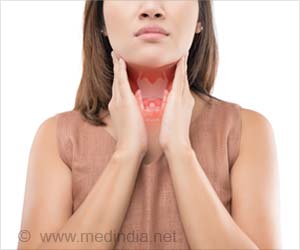
Four Reasons Women Should Know About Thyroid Disorders
Every women should be aware of thyroid disorders. Creating awareness on thyroid disorders about the nature, prevalence and symptoms of the condition, can help in early diagnosis and treatment of the disease.
Every women should be aware of thyroid disorders. Creating awareness on thyroid disorders about the nature, prevalence and symptoms of the condition, can help in early diagnosis and treatment of the disease.
How Sex Differences Influence Thyroid Health
The study suggests that women’s immune systems behave differently from men’s, making them more prone to conditions driven by autoimmune activity. These immune differences are also seen in other conditions such as lupus and rheumatoid arthritis. When the immune system becomes overly reactive, it may mistakenly attack the thyroid gland, affecting hormone production and triggering fatigue, weight changes, and mood disturbances. The researchers note that these immune patterns appear early in life and continue into older age.
Why are So Many Women in Their 20s Hypothyroid?
There has been an upsurge in 20s women diagnosed with hypothyroidism, read more to know the causes.
There has been an upsurge in 20s women diagnosed with hypothyroidism, read more to know the causes.
Hormonal Shifts Across Life Stages
Pregnancy, Menopause, and Menstrual Cycles Affect the Thyroid
Women experience major hormonal fluctuations throughout life. The menstrual cycle, pregnancy, and menopause all influence how the thyroid behaves. These shifts can push the thyroid to work harder, sometimes causing symptoms even before blood tests show abnormalities. During pregnancy, the thyroid often needs to produce more hormones to support both mother and baby, increasing the chances of temporary imbalances or, in some women, lasting thyroid issues. Menopause introduces another period of hormonal transition that may unmask underlying thyroid tendencies.

Link Between Thyroid Disorders and Risk of Pregnancy Complications Identified
Pregnant women with thyroid disorders face an increased risk of preterm birth and other pregnancy-related complications, finds study published in JCEM.
Pregnant women with thyroid disorders face an increased risk of preterm birth and other pregnancy-related complications, finds study published in JCEM.
Why Autoantibodies Do Not Always Predict Symptoms
Although thyroid antibodies are common, especially among older women, the presence of these antibodies does not guarantee thyroid disease. The study highlights that many people with antibodies maintain normal thyroid function for years. This means other triggers such as stress, infections, or hormonal shifts may determine if and when symptoms appear. For women, these triggers often align with intense life stages, which can explain the timing of diagnosis.What This Means For Women’s Health
The findings remind us that thyroid health in women is shaped by a mix of immunity, hormones, and life transitions. Understanding these patterns can help women recognise symptoms earlier and seek timely support. Awareness is the first step toward better long-term health.If you have been feeling unusually tired or out of balance, consider checking in on your thyroid health. Small steps toward early care can make a meaningful difference in how you feel and function every day.
Reference:
- Autoimmune Thyroid Disease in Women - (https://jamanetwork.com/journals/jama/article-abstract/2779750)
Source-Medindia
 Email
Email