MEDINDIA
 English
 हिन्दी
 Español
 français
 中文
中文
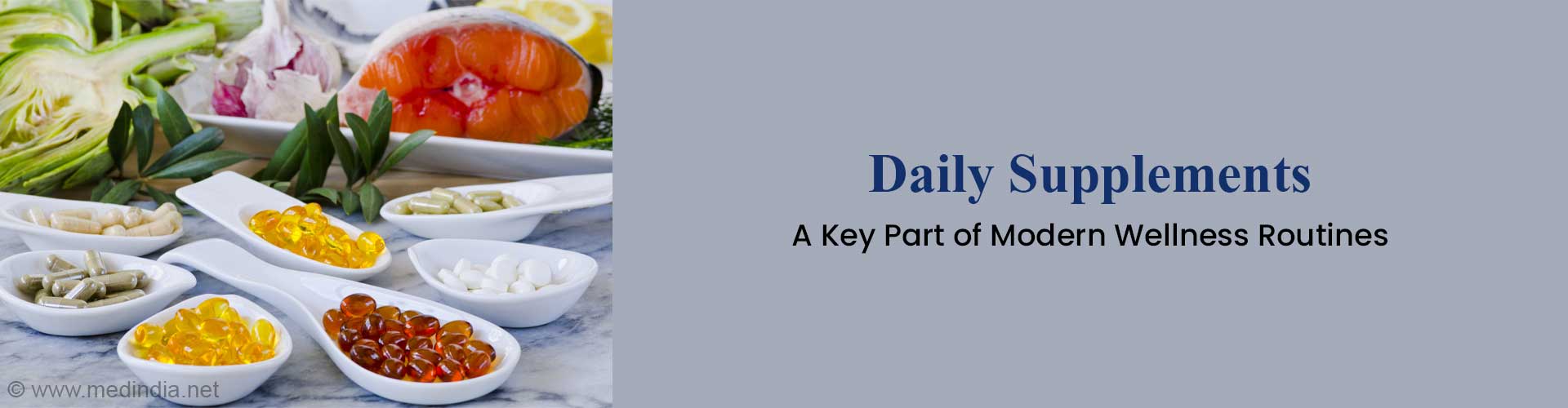
Over half of adults rely on daily supplements for better health.
Highlights:
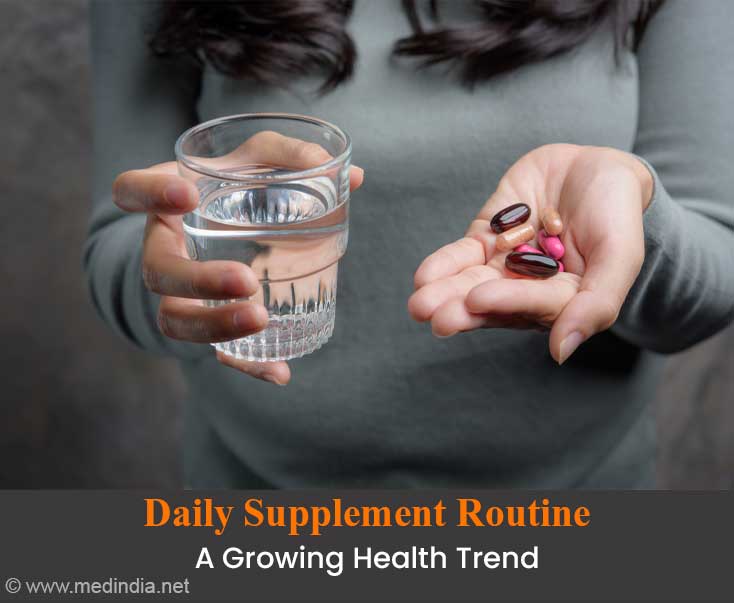
More adults than ever are reaching for daily supplements. From multivitamins to omega-3 fish oil, dietary supplements have become a staple in many households. According to the 2023 CRN Consumer Survey on Dietary Supplements, 74% of U.S. adults take dietary supplements, with 55% qualifying as regular users, highlighting the growing reliance on these products for daily wellness. But are they really necessary for everyone? This post explores the reasons behind this trend and whether supplements are worth the daily habit (1✔ ✔Trusted Source- Over 50% of adults take daily supplements, aiming to boost health and fill nutritional gaps
- Studies reveal rising trust in supplements for wellness and disease prevention
- Experts stress the need for quality control and informed supplement choices
Dietary Supplement Use Among Adults: United States, 2017-2018
Go to source).

Iron Supplements for Women - Benefits, Side-effects
Iron supplements are used to treat anemia and iron deficiency in women. Iron an essential mineral plays key role in making of red blood cells, which carry oxygen.
Iron supplements are used to treat anemia and iron deficiency in women. Iron an essential mineral plays key role in making of red blood cells, which carry oxygen.
TOP INSIGHT

Did You Know?
Over 50% of adults take supplements daily! #healthtrends #wellness #medindia
Why Are So Many Adults Taking Supplements?
Seeking Better Health and Nutrition
For many, supplements offer a safety net against nutritional deficiencies. With busy lifestyles and processed food consumption, it’s not always easy to get enough essential nutrients from diet alone. The same survey found that multivitamins, vitamin D, and B12 are the most commonly used supplements, reflecting the population’s focus on boosting immunity and addressing potential deficiencies.
Targeting Specific Health Concerns
Adults are also turning to supplements for condition-specific benefits. Omega-3s are popular for heart health, glucosamine for joint support, and probiotics for gut health. Herbal supplements like turmeric and ashwagandha are gaining popularity for their anti-inflammatory and stress-relief properties (2✔ ✔Trusted Source
Vitamin and Mineral Supplements for the Primary Prevention of Cardiovascular Disease and Cancer
Go to source).
Wellness and Longevity Craze
The rise of wellness culture has made supplements part of a daily routine for many. People seek anti-aging benefits, improved immunity, and enhanced energy levels through daily supplementation. Social media influencers and wellness brands frequently promote them, adding to their appeal.
ICMR Warns Against Protein Supplements
ICMR's new report suggests avoiding protein supplements due to potential toxins, mislabeling, and the benefits of obtaining protein from natural foods.
ICMR's new report suggests avoiding protein supplements due to potential toxins, mislabeling, and the benefits of obtaining protein from natural foods.
Do Supplements Actually Improve Health?
Filling Nutritional Gaps
For people with deficiencies or dietary restrictions, supplements can play a vital role. Vegans, vegetarians, and older adults often require additional B12, iron, or calcium. Pregnant women are recommended to take folic acid for fetal development.
Limited Benefits for Healthy Individuals
However, for generally healthy adults with balanced diets, supplements may offer little benefit. Several studies suggest that vitamin and mineral supplements provide no significant advantage in preventing chronic diseases in healthy individuals (3✔ ✔Trusted SourceDietary Supplements for Older Adults
Go to source).
The Risk of Overuse
While supplements can enhance health when needed, overuse or unnecessary intake may do more harm than good. Fat-soluble vitamins (A, D, E, and K) can accumulate in the body, leading to toxicity. Excess iron or calcium supplementation may increase the risk of certain health issues, such as heart disease or kidney stones.
Dairy Products and Vitamin D Supplements Protect Against Osteoporosis in Older Adults
Older adults who consume dairy products along vitamin D supplements are less likely to suffer from bone loss and osteoporosis, finds a study.
Older adults who consume dairy products along vitamin D supplements are less likely to suffer from bone loss and osteoporosis, finds a study.
Are You Choosing the Right Supplements?
Quality Matters
Not all supplements are created equal. Third-party testing and certifications help verify quality and safety. Choosing reputable brands ensures you’re getting what’s on the label without harmful contaminants.
Dosage and Timing
Proper dosage and timing are essential for effectiveness. For instance, calcium is better absorbed with food, while iron works best on an empty stomach. Fat-soluble vitamins should be taken with healthy fats for better absorption.
Daily supplements can be beneficial for individuals with specific deficiencies or health needs, but they aren’t a magic bullet for well-being. A nutrient-rich diet, regular exercise, and a healthy lifestyle remain the most reliable ways to support long-term health.
Consult your healthcare provider before starting any new supplement regimen to ensure it’s right for you.
References:
- Dietary Supplement Use Among Adults: United States, 2017-2018 - (https://www.cdc.gov/nchs/data/databriefs/db399-H.pdf)
- Vitamin and Mineral Supplements for the Primary Prevention of Cardiovascular Disease and Cancer - (https://jamanetwork.com/journals/jama/fullarticle/2793447)
- Dietary Supplements for Older Adults - (https://www.nia.nih.gov/health/vitamins-and-supplements/dietary-supplements-older-adults)
Source-Medindia

Health Benefits and Supplements of Omega 3 Fatty Acids
Omega 3 and Omega 5 have numerous health benefits. Discussed here are the pros and cons of omega 3 supplements.
Omega 3 and Omega 5 have numerous health benefits. Discussed here are the pros and cons of omega 3 supplements.
 Email
Email