MEDINDIA
 English
 हिन्दी
 Español
 français
 中文
中文
In aged mice, decitabine, the anti-cancer drug demonstrated enhancements in vascular repair, inflammation resolution, and overall survival.
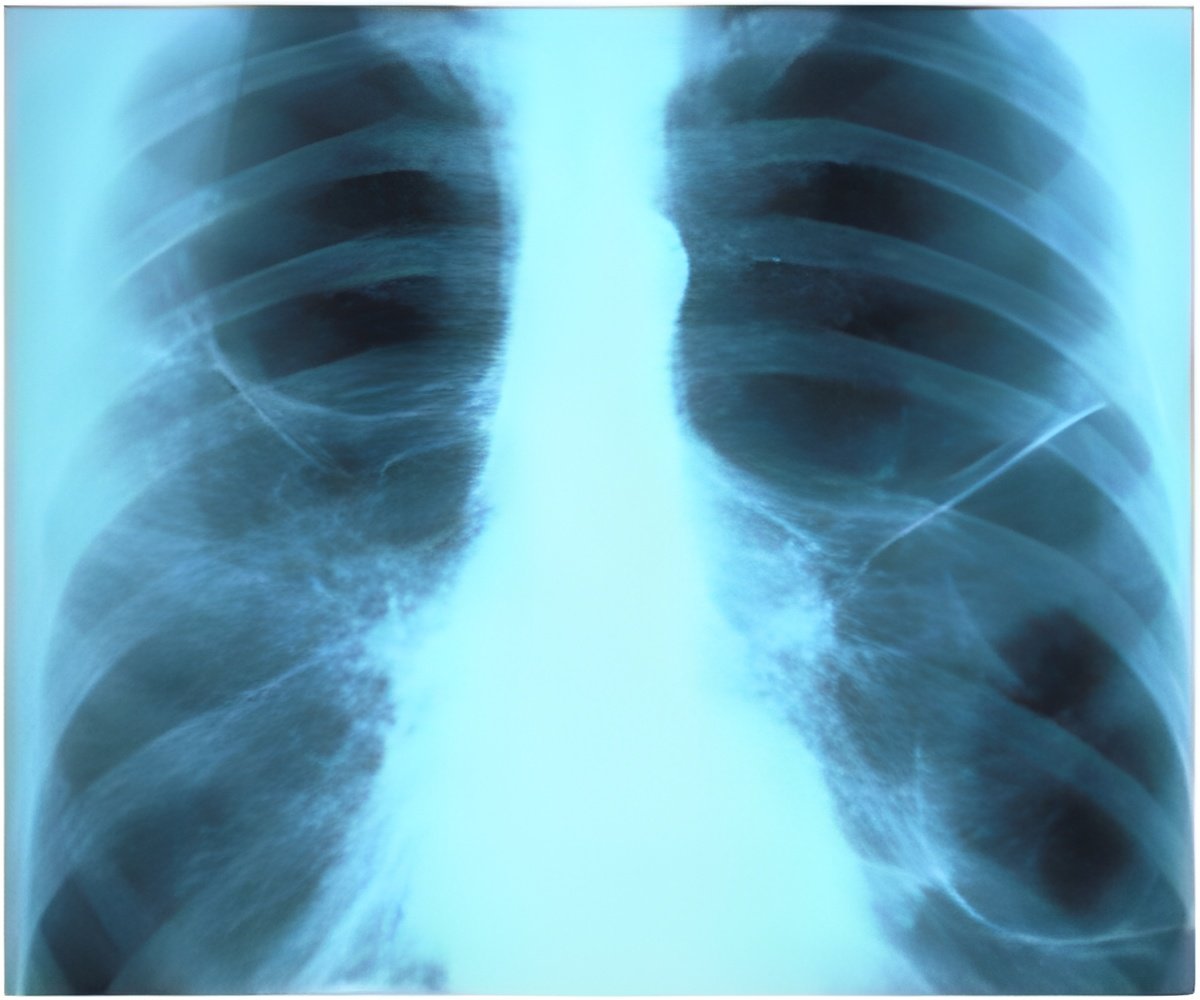
Endothelial FoxM1 reactivates aging-impaired endothelial regeneration for vascular repair and resolution of inflammatory lung injury
Go to source). Dr. Zhao’s research established that a gene called FOXM1 is important in the repair of blood vessel through regeneration of endothelial cells, which line the vessels of the lung.
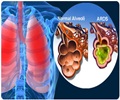
Respiratory Distress Syndrome
ARDS is a lung condition where the patient suffers from sudden breathlessness, low blood oxygen levels and lung inflammation that could progress to respiratory failure.
ARDS is a lung condition where the patient suffers from sudden breathlessness, low blood oxygen levels and lung inflammation that could progress to respiratory failure.
TOP INSIGHT

The diminished expression of the FOXM1 gene due to aging could be a contributing factor to the significantly increased fatality rate from ARDS in individuals aged 75 and above, which is tenfold higher when compared to young adults. #worldeldersday #COVID #lungdisease #elderlycare
Reviving Vascular Repair with Low-Dose Decitabine
One approach involved a low dose of a repurposed FDA-approved cancer drug, decitabine, which was successful at reactivating FOXM1 expression, and so promoting vascular repair and regeneration. This drug currently is in a clinical trial for treating severe COVID-19. Dr. Zhao’s findings suggest that a lower and safer dose could be used, and that the treatment should be targeted to older patients, since the gene’s activity remains intact in younger people.“It would be important to focus decitabine treatment on the elderly population, in which FOXM1 expression needs to be activated to promote recovery and reduce mortality. The next step is a clinical trial of a lower dose of the drug for ARDS in the elderly,” said Dr. Zhao, Director of the Program for Lung and Vascular Biology and Head of Section for Injury Repair and Regeneration Research at Manne Research Institute at Lurie Children’s, as well as Professor of Pediatrics, Medicine and Pharmacology at Northwestern University Feinberg School of Medicine.
Dr. Zhao also demonstrated effectiveness of an alternative approach to reactivate the gene – endothelium-targeted nanoparticle gene delivery – a technology he developed and patented. It is a more precise strategy, which may also be safer than decitabine treatment.

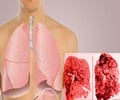
The Lungs - Animation
The lungs are our organs of respiration. It is within these, that exchange of gases takes place.
The lungs are our organs of respiration. It is within these, that exchange of gases takes place.
Reference:
- Endothelial FoxM1 reactivates aging-impaired endothelial regeneration for vascular repair and resolution of inflammatory lung injury - (https://www.science.org/doi/10.1126/scitranslmed.abm5755)
Source-Eurekalert
Quiz on Pneumonia
Pneumonia is a serious respiratory tract infection that is often life-threatening in the elderly, children or those with reduced immunity. See how much you know about pneumonia by taking this ...
Pneumonia is a serious respiratory tract infection that is often life-threatening in the elderly, children or those with reduced immunity. See how much you know about pneumonia by taking this ...

Coughing Up Answers: Smartphones Predict COVID-19 Severity
Smartphone technology can now analyze cough sounds, potentially a turning point in COVID-19 assessment and early intervention.
Smartphone technology can now analyze cough sounds, potentially a turning point in COVID-19 assessment and early intervention.
 Email
Email