MEDINDIA
 English
 हिन्दी
 Español
 français
 中文
中文
Stethoscopes are used repeatedly over the course of a day and become contaminated after each patient exposure. Clinicians should be educated on stethoscopes hygiene.


Ministry Launches Scheme for Health, Sanitation and Hygiene
The Health Ministry also announced setting up of Community Health Centres and a grant of Rs 10 lakh each to achieve benchmarks of hygiene and sanitation.
The Health Ministry also announced setting up of Community Health Centres and a grant of Rs 10 lakh each to achieve benchmarks of hygiene and sanitation.
TOP INSIGHT

Stethoscopes may be responsible for the spreading of infections. Failing to disinfect stethoscopes could constitute a serious patient safety issue similar to ignoring hand hygiene.
The report describes a quality improvement pilot project in which the authors observed stethoscope hygiene (alcohol swabs, alcohol gel, or disinfectant wipes) at the start of a four-week rotation for medical students, resident physicians, and attending physicians at a tertiary care academic teaching hospital. The baseline observation of stethoscope hygiene among staff found zero occurrences. The project also looked at hand hygiene, which can include alcohol gel or soap and water.
The team then sought to educate clinicians about the importance of stethoscope hygiene, and emphasized the expectation for clinicians to conduct stethoscope hygiene between each patient encounter. They also hinted that they might monitor during the follow-up phase. Despite this, the result was the same: zero occurrences of stethoscope sanitation.
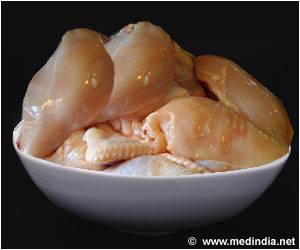
Disinfectant Wipes can Eliminate Risk of Campylobacter Food Poisoning by 99.2%
Washing hands and using disinfectant wipes in the kitchen after preparing poultry can almost eliminate the risk of food poisoning caused by harmful bacteria.
Washing hands and using disinfectant wipes in the kitchen after preparing poultry can almost eliminate the risk of food poisoning caused by harmful bacteria.
Behavioral and cultural modification to improve hand hygiene still remains a challenge, despite being studied in large randomized trials. Stethoscope hygiene implementation will need more consistent efforts to change culture and habits. We believe that stethoscope hygiene should be included in all hospital hand hygiene initiatives along with increased accountability."

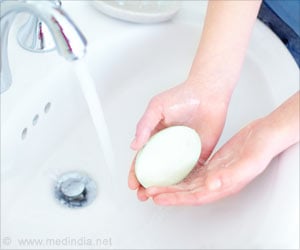
Five Step Plan to Improve Hygiene Practices and Reduce Infectious Diseases
The 5-steps focus on improved hand hygiene and preventing the spread of infection causing germs in the home and wider community.
The 5-steps focus on improved hand hygiene and preventing the spread of infection causing germs in the home and wider community.
In fact, a recent Swiss study found that stethoscopes were capable of transmitting potentially resistant bacteria, including methicillin-resistant Staphylococcus aureus (MRSA).

Even Perfectly Clean Hands Cause MRSA Transmission in NICU Babies
Researchers examined transmission from baby to baby and found that even clean hands can lead to Methicillin-resistant Staphylococcus aureus (MRSA) transmission.
Researchers examined transmission from baby to baby and found that even clean hands can lead to Methicillin-resistant Staphylococcus aureus (MRSA) transmission.
Source-Eurekalert
 Email
Email