MEDINDIA
 English
 हिन्दी
 Español
 français
 中文
中文
Researchers examined transmission from baby to baby and found that even clean hands can lead to Methicillin-resistant Staphylococcus aureus (MRSA) transmission.

Hawthorne Effect Hinders Accurate Hand Hygiene Observation
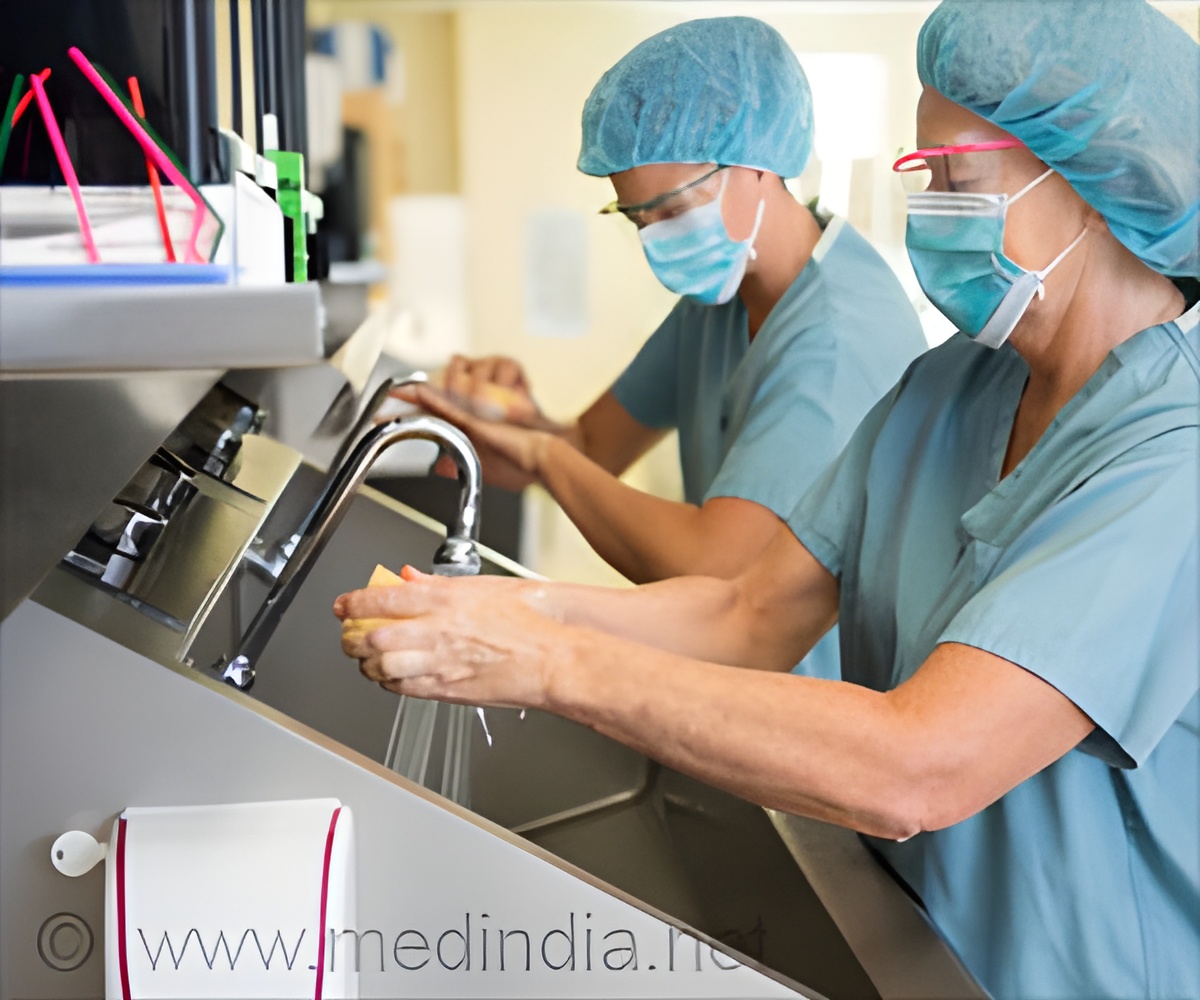
When healthcare providers know they are being watched, they are twice as likely to comply with hand hygiene guidelines.
When healthcare providers know they are being watched, they are twice as likely to comply with hand hygiene guidelines.
TOP INSIGHT

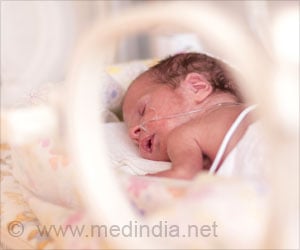
Following hygienic procedures, using gowns or gloves as needed, keeping the environment clean can help improve hygiene levels in the neonatal intensive care unit (NICU).
Goldstein said that the biggest implication is that hospitals should not just rely upon hand hygiene alone for protecting patients from becoming colonized and possibility infected with a difficult-to-treat organism. Rather, infection control is a multi-pronged strategy. It can incorporate early detection and measures to mitigate spread that include possible decolonization or using an antibiotic to treat a patient even before infection.
The study used MRSA, a difficult to treat pathogen that can be deadly for people with weak or underdeveloped immune systems, as its subject. Goldstein discovered that even if health workers had absolutely perfect hand hygiene, just under one in every 100 contacts between a baby and a hospital worker could still result in a MRSA transmission.
Magnified Images of Bacteria Boost Hand Hygiene Compliance
Health care workers practice improper hand hygiene and might need to clean their hands as many as 100 times per 12-hour shift.
Health care workers practice improper hand hygiene and might need to clean their hands as many as 100 times per 12-hour shift.
"This sheds light on just how complex the patient care environment of a NICU is," Goldstein said. "There are so many opportunities to potentially pass an organism between healthcare workers and their patients."
Paper Towels Better Than Electric Dryers for Hand Hygiene
A new study has indicated that paper towels might be a better option for hand hygiene than electric dryers.
A new study has indicated that paper towels might be a better option for hand hygiene than electric dryers.
"We can follow hygiene procedures, use gowns or gloves as needed, keep a clean environment, not bring in possible fomites such as cell phones, watches, or jewellery, and be a watchdog for the hospital, requesting that healthcare workers do hand hygiene if we don't see it being done," Goldstein said.
Healthcare Workers Follow Hand Hygiene Recommendations in Presence of Colleagues
Healthcare workers were more likely to follow hand hygiene rules when other workers are nearby.
Healthcare workers were more likely to follow hand hygiene rules when other workers are nearby.
Source-ANI
 Email
Email