MEDINDIA
 English
 हिन्दी
 Español
 français
 中文
中文
Human eggs stay healthy for decades by slowing their metabolism and cellular clean-up systems.
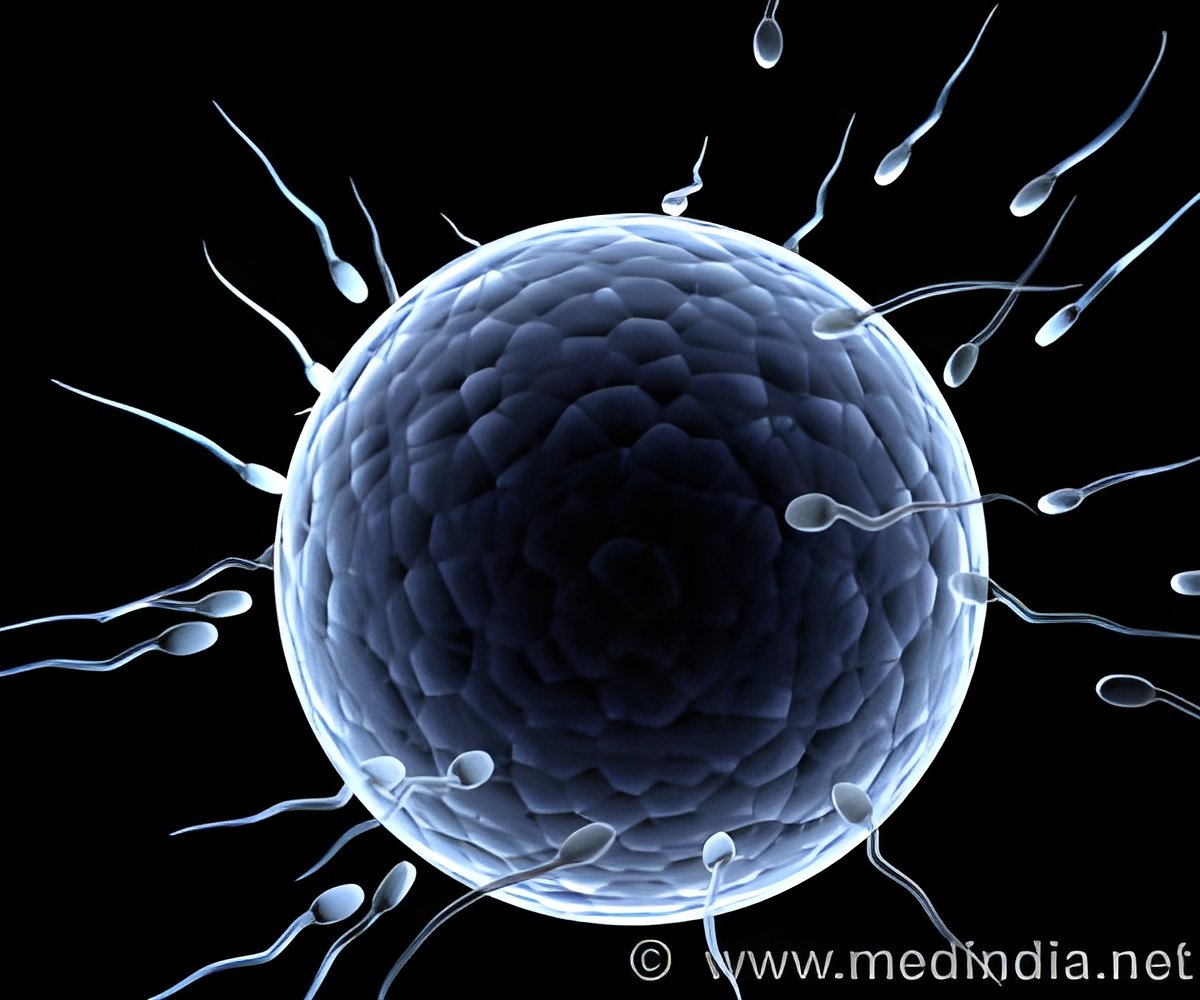
The proteostatic landscape of healthy human oocytes
Go to source).
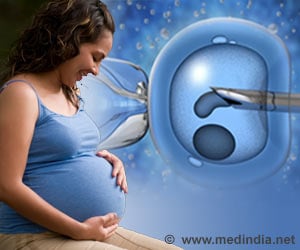
IVF Calculator to Predict Chances of Pregnancy
The calculator can estimate a couples chance of having a baby before and after first IVF treatment, and over multiple cycles.
The calculator can estimate a couples chance of having a baby before and after first IVF treatment, and over multiple cycles.
TOP INSIGHT

Did You Know?
Human eggs lie dormant for up to 50 years, yet remain viable—thanks to a quiet, energy-saving system hidden inside. #medindia #womenhealth #fertilityscience #ivfinsights #geneticresearch
Spring Cleaning Before Ovulation
As human eggs mature, they perform a surprising act of “spring cleaning.” Eggs jettison lysosomes, the tiny structures responsible for breaking down waste, just hours before ovulation. At the same time, mitochondria and proteasomes move toward the edges of the cell, perhaps clearing space for fertilization. This deliberate rearrangement could help preserve the egg's quality for future embryo development.
Period or Menstrual Cycle Calculator
Period or Menstrual Cycle Calculator informs you of expected date of next 3 menstrual periods and helps find if you have missed your period. Use this tool to plan special occasions and track ovulation.
Period or Menstrual Cycle Calculator informs you of expected date of next 3 menstrual periods and helps find if you have missed your period. Use this tool to plan special occasions and track ovulation.
Slowing Down to Survive
Lysosomal, proteasomal, and mitochondrial activities were about 50% lower in oocytes compared to nearby support cells. And as eggs matured, these activities dropped even further. This slowdown may help prevent harmful molecules called reactive oxygen species (ROS) from forming, thus protecting the egg’s DNA and membranes from damage.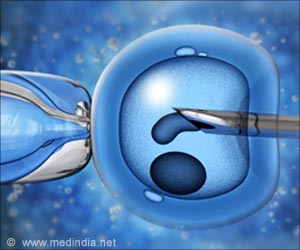
Hormone Levels in Hair can Affect IVF Success Rate
Nearly 27 percent of the variance in pregnancy outcome was accounted for by hair cortisol concentrations and so reducing cortisol levels has better results.
Nearly 27 percent of the variance in pregnancy outcome was accounted for by hair cortisol concentrations and so reducing cortisol levels has better results.
Old Wisdom in Young Eggs
Oocytes are long-lived by nature and designed to resist wear and tear. Human eggs avoid key metabolic reactions, likely to limit ROS production. These minimalist strategies suggest that eggs are intentionally “powered down” to stay safe over time—like nature putting them in a gentle sleep until needed.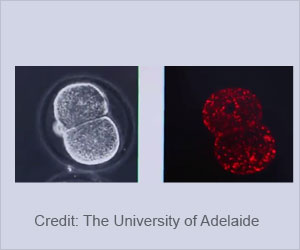
Boost Chances for IVF Success With New Technique for Embryo Selection
The best embryos can be selected for IVF using a new imaging technique used in cancers to improve chances of a healthy pregnancy and offspring.
The best embryos can be selected for IVF using a new imaging technique used in cancers to improve chances of a healthy pregnancy and offspring.
Why This Matters for IVF
Over 100 freshly donated eggs from healthy women, gives a clearer view of how real eggs function. It raises an important question: Should we stop trying to boost egg metabolism with supplements? Instead, maintaining their natural low-activity state might better protect fertility.What Happens With Age? The Next Big Question
With age or infertility, does this delicate balance break down? While these findings offer a compelling view into how young human eggs protect themselves, more research is needed to understand how this finely tuned system changes with age or in fertility challenges. Studying eggs from older individuals and unsuccessful IVF cycles could shed light on whether the delicate balance of cellular processes. This could be key to improving fertility treatments and reproductive outcomes.Reference:
- The proteostatic landscape of healthy human oocytes - (https://www.embopress.org/doi/full/10.1038/s44318-025-00493-2)
Source-The Embo Journal
 Email
Email