MEDINDIA
 English
 हिन्दी
 Español
 français
 中文
中文
Younger men tend to prefer less diverse diets centered around meat and eggs, while older women consume a wider variety including fruits and dairy.
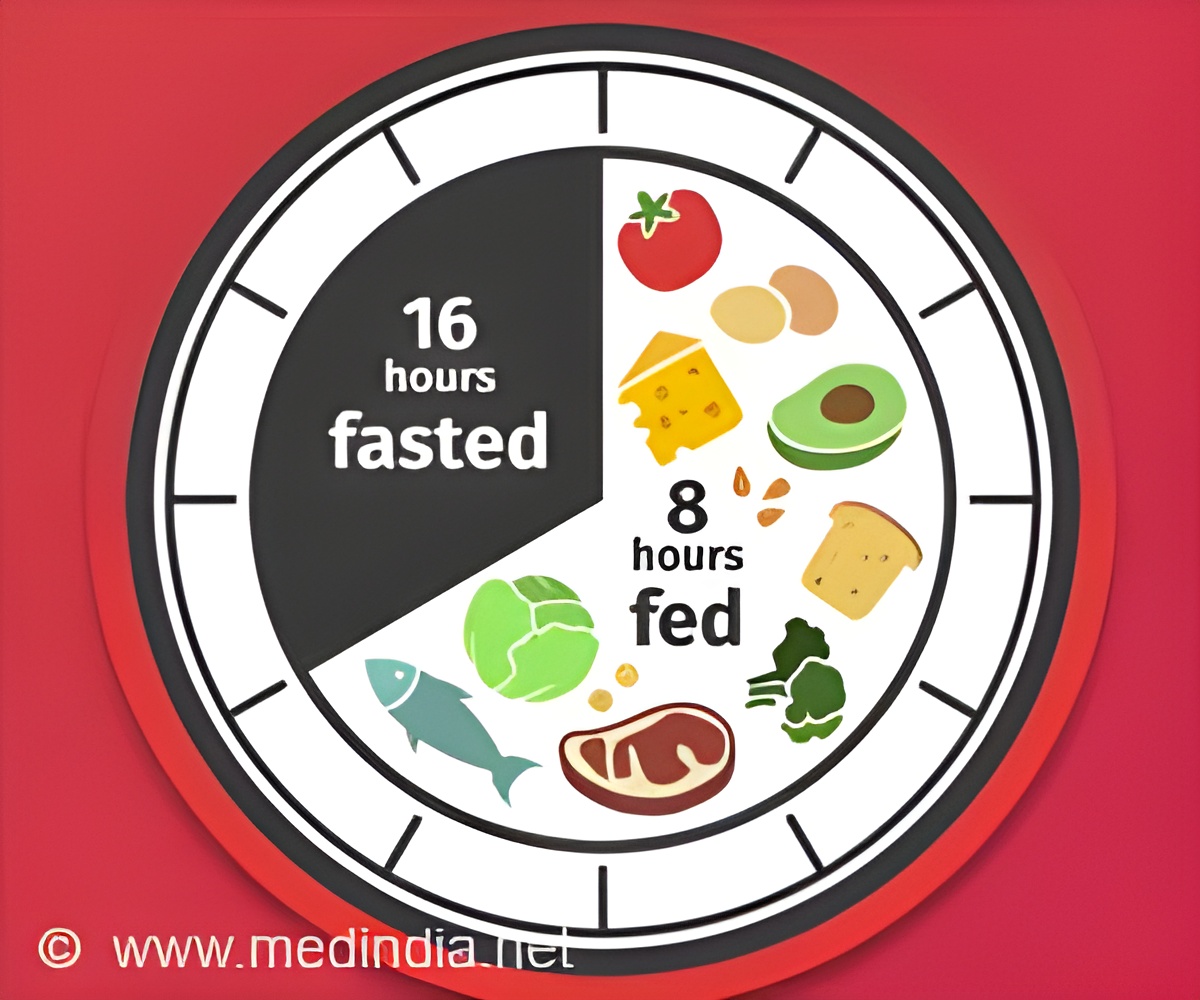
The Alpha and Beta Diversities of Dietary Patterns Differed by Age and Sex in Young and Middle-Aged Japanese Participants
Go to source). While many investigations have examined dietary diversity and food consumption frequency, understanding of how these patterns differ specifically by age and gender remains limited, a gap addressed by a team led by Professor Katsumi Iizuka from Fujita Health University in Japan.

Daily Calorie Requirement for Age and Lifestyle
Daily Calorie Requirement for Age and Lifestyle Calculator displays the amount of calories needed daily for different age groups from childhood to old age based on their physical activity.
Daily Calorie Requirement for Age and Lifestyle Calculator displays the amount of calories needed daily for different age groups from childhood to old age based on their physical activity.
TOP INSIGHT

Did You Know?
As people age, their diets naturally become more diverse-especially with more fruits, seaweed, and dairy. #medindia #dietarydiversity #foodchoices
Dietary Patterns and Survey Methods
To bridge this gap, Professor Katsumi Iizuka from the Department of Clinical Nutrition, Faculty of Medicine, Fujita Health University, Japan, and his team sought to analyze dietary patterns among young and middle-aged Japanese individuals.Explaining why this is important, Prof. Iizuka says, “Being aware of the gender- and age-specific differences in dietary patterns and diversity can lead to individualized nutritional improvement for each age and gender group.” Their findings were published in Volume 17, Issue 13 of the Nutrients journal on July 2, 2025.
The researchers analyzed the anonymized responses from a dietary survey obtained during health checkups of 2,743 Fujita Health University employees. The respondents were stratified into four age groups: 20–29, 30–39, 40–49, and 50–59 years.

Daily Water Intake
Calculate how much glasses of water you need to drink each day to avoid dehydration using this daily water intake calculator.
Calculate how much glasses of water you need to drink each day to avoid dehydration using this daily water intake calculator.
Food Frequency and Statistical Analysis Techniques
The Food Intake Frequency Questionnaire was used to assess their weekly consumption frequency of 10 different foods, including meat, fish, eggs, dairy products, soy, green vegetables, seaweed, fruits, potatoes, and oil; the frequency of drinking sugar-sweetened coffee and tea; and the frequency of consuming soft sweets, colas, other soft drinks, and alcohol.Previous studies utilized diversity indices to evaluate food intake. However, these scores do not adequately reflect dietary patterns or combinations. In this study, the researchers applied previously unexplored statistical techniques that are commonly used in ecology to examine microbial diversity. They assessed ‘alpha diversity,’ or the diversity in a single group, and ‘beta diversity,’ or the diversity across different groups. Further, they performed multivariate analysis to incorporate age and gender variations.
New Tool Identifies Nutritional Deficiency Risk in Teen Girls
An integrated metric that enhances nutritional well-being among adolescent girls who are at risk of nutritional deficiency concerning fish consumption.
An integrated metric that enhances nutritional well-being among adolescent girls who are at risk of nutritional deficiency concerning fish consumption.
Gender Differences and Age-Related Dietary Patterns
The analysis revealed that the intake frequency of the individual food items did not vary greatly between male and female respondents, except that women consumed fruits more frequently than men. On grouping the participants by age and sex, the researchers noted significantly different dietary patterns influenced by the intake of meat, fish, eggs, fruits, seaweed, dairy products, vegetables, and potatoes.Women had more diverse dietary patterns compared to men. Further, younger men were least likely and older women were most likely to follow a meat- or egg-centered dietary pattern with fruits and dairy products. On the flip side, older men preferred a fish- and fat-centered traditional Japanese diet, while younger women leaned toward plant-based foods, including fruits, vegetables, and potatoes. Notably, the differences between male and female dietary patterns became smaller with age, suggesting a shift in dietary preferences.
Interestingly, dietary diversity and the intake of beneficial foods, including fruits, seaweed, and dairy products, increased with age for both men and women. The researchers suggest that this increase may be because of generational gaps between adults in their 20s and those in their 40s. While middle-aged individuals often live with their families, younger adults tend to live alone, which may affect their food intake and choices. Healthy food choices at a young age can significantly impact future health. Therefore, including micronutrient-rich foods like fruits, seaweed, and dairy products at staff cafeterias and workplaces can help improve their intake by younger adults.

1 In 10 Teenage Girls Miss Two Meals A Day Thinking They Are Overweight
A new poll has revealed that many teenage girls skip up to two meals a day thinking they are overweight.
A new poll has revealed that many teenage girls skip up to two meals a day thinking they are overweight.
Implications for Health and Personalized Nutrition
Overall, these findings provide novel insights into how dietary patterns differ by age and gender. These results can further be extended to understand how dietary variations impact gut health and microbiota and the occurrence of diseases like obesity, diabetes, heart disease, and cancer. Additionally, understanding dietary variations can help nutritionists provide tailored guidance to address individual deficiencies.“By eating fiber-rich foods and fermented products from a young age, it is possible to reduce the risk of developing heart diseases and cancer. Visualizing differences in dietary patterns across generations can improve the general public’s understanding of dietary balance and diversity,” Prof. Iizuka concludes.
Reference:
- The Alpha and Beta Diversities of Dietary Patterns Differed by Age and Sex in Young and Middle-Aged Japanese Participants - (https://www.mdpi.com/2072-6643/17/13/2205)
Source-Eurekalert
 Email
Email