MEDINDIA
 English
 हिन्दी
 Español
 français
 中文
中文
A cancer blood test making bold claims now faces tough questions from experts.

Multi-cancer Early Detection (MCED) Tests
Go to source)!
Early Cancer Detection Key to 80% Cure Rate in India
Cancer cure rates have surged with recent advancements in therapies like chemotherapy, immunotherapy, and targeted treatments—many unavailable just 5 or 10 years ago.
Cancer cure rates have surged with recent advancements in therapies like chemotherapy, immunotherapy, and targeted treatments—many unavailable just 5 or 10 years ago.
TOP INSIGHT

Did You Know?
Big claims, big doubts—Galleri’s $1,000 test is still unproven!
#cancer #earlydetection #galleritest #medindia
What Experts Are Worried About?
However, despite its initial promise, an extended study in the UK was abruptly terminated after the first year, supposedly because of disappointing outcomes. Since the information has not been made public, there are concerns regarding whether the test is prepared for widespread usage. There are even specialists who compare the fuss to the Theranos scandal, in which big claims were made before sound research was done. Once hailed as a $9 billion startup, it ended in fraud convictions and a cautionary tale for Silicon Valley.Researchers and doctors are doubting whether the test actually lives up to its commitments. Key concerns include:
- False alarms: How many results are wrong, leading patients to stressful and invasive follow-up tests?
- Missed cancers: How many patients later developed cancer despite testing negative?
- High cost: At about $1,000 per test, what happens if results are unclear—do patients get refunds?
- Accuracy issues: Does the test accurately detect the kind and location of cancer, or does it occasionally lead medical professionals in the incorrect direction?

Lifetime Risk Calculator for Cancers
What are your chances for developing some common cancers in your lifetime - find out now.
What are your chances for developing some common cancers in your lifetime - find out now.
What is Multi-Cancer Early Detection Tests?
Galleri is one of a new category of tests known as multi-cancer early detection (MCED) tests. Blood is often drawn for these tests in order to look for cancerous traces, which are bits of DNA, RNA, or proteins that sick cells have shed. Some can even tell where in the body the cancer might have originated. Notably, the tests do not diagnose cancer; a positive test would relate to further follow-up testing to ascertain the existence of cancer.The reason why MCED tests are being developed is that only a few cancers, including breast, cervical, colorectal, lung, and prostate, have a proven screening method. In most cancers, there is no routine screening, and hence most are diagnosed only at more advanced and difficult-to-treat stages. Although it is believed that tests like MCED would be able to detect a wide range of cancers much earlier, the FDA has not yet authorized any of them, and research is being done to determine whether or not they actually save lives (2✔ ✔Trusted Source
Implosion of Grail's Galleri Cancer Screening Test?
Go to source).
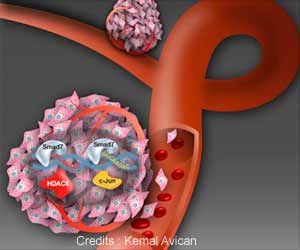
New Test for Detecting Cancer Biomarkers Developed
A new test based on a sensing platform is made of a gold nanoparticle and peptide molecules that are labeled with a dye detects various cancer biomarkers.
A new test based on a sensing platform is made of a gold nanoparticle and peptide molecules that are labeled with a dye detects various cancer biomarkers.
The Bigger Picture
The biggest question is still unanswered: Does the Galleri test truly save lives by detecting cancers early and improving survival? Experts stress that Grail must be fully transparent with its current data until the long-term results, expected in 2026, are available. Regulators may also need to step in to protect both patients and investors from overly optimistic claims.While the Galleri test could one day prove to be a breakthrough in cancer screening, it remains unproven. For now, patients should understand that both the potential benefits and the risks are uncertain — and think carefully before spending thousands of dollars on a test that might not yet provide the peace of mind it promises.
Reference:
- Multi-cancer Early Detection (MCED) Tests - (https://www.cancer.org/cancer/screening/multi-cancer-early-detection-tests.html)
- Implosion of Grail’s Galleri Cancer Screening Test? - (https://pmc.ncbi.nlm.nih.gov/articles/PMC11886625/)
Source- American Cancer Society
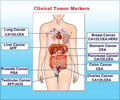
Tumor Markers - For Cancer Diagnosis and Prognosis
An ideal tumor marker for a cancer should be specific to that cancer and not generate false positive results.
An ideal tumor marker for a cancer should be specific to that cancer and not generate false positive results.
 Email
Email