MEDINDIA
 English
 हिन्दी
 Español
 français
 中文
中文
Arts programs make health engaging to prevent noncontagious diseases, which account for 74% of deaths globally.

The arts for disease prevention and health promotion: a systematic review
Go to source). Engaging in cultural activities like dance and music, can help prevent non-communicable diseases like cancer, diabetes, and heart diseases, which account for 74% of global deaths.
The evidence is prompt for global policy, as it informs the World Health Organization's dedications to strengthening healthcare systems.
Non-Communicable Diseases
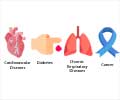
Non-Communicable Diseases (NCDs) are a group of chronic non-infectious diseases which include Cardiovascular Diseases, Chronic Respiratory Diseases, Diabetes Mellitus and Cancer. They contribute to the maximum number of deaths globally.
Non-Communicable Diseases (NCDs) are a group of chronic non-infectious diseases which include Cardiovascular Diseases, Chronic Respiratory Diseases, Diabetes Mellitus and Cancer. They contribute to the maximum number of deaths globally.
TOP INSIGHT

Did You Know?
To confront the burden of #non_communicable_diseases globally, we need to treat #arts as a core part of our #infrastructure.
#NCDs #Arts_In_Health #PublicHealth #Wellness
Why Arts Must Be a Part of Our Public Health Infrastructure
“We don’t want to just treat these diseases, we want to prevent them,” said Jill Sonke, Ph.D., director of research initiatives in the UF Centre for Arts in Medicine at the University of Florida, affiliated researcher with the Jameel Arts and Health Lab, and lead author of the new study.“We would love to see funding and interventions move upstream from treatment toward prevention, and the arts should be part of that prevention strategy, because they really can help.”
Sonke and Michael Tan, Ph.D., dean of research and knowledge exchange at the University of the Arts Singapore, co-led an international group of researchers that analyzed 95 studies representing over 230,000 participants, on the health benefits of arts programs.
Art Therapy in Medicine: Creative Interventions in Health Systems
A Personal Journey on how Arts helped navigate the challenges of Cancer Treatment.
A Personal Journey on how Arts helped navigate the challenges of Cancer Treatment.
Art Should be Treated as a Necessity, not a Luxury
The findings were published in Nature Medicine. The study was supported in part by the State of Florida Division of Arts and Culture and New York University.“If we are serious about reducing the global burden of non-communicable diseases, we must treat the arts as essential to public health infrastructure,” said Nisha Sajnani, Ph.D., professor at NYU Steinhardt and co-director of the Jameel Arts and Health Lab and co-author on the study.
“Arts and cultural activities provide cost-effective and scalable tools for prevention that, when embedded in health promotion and grounded in community partnership, can expand access, close equity gaps and strengthen the uptake of healthy behaviors.”

Test Your Knowledge on Public Health
Public health is a health care discipline that deals with preventing, protecting and promoting health among all the individuals of the community or the population. It aims at: Promoting a healthier lifestyle and ...
Public health is a health care discipline that deals with preventing, protecting and promoting health among all the individuals of the community or the population. It aims at: Promoting a healthier lifestyle and ...
Social Connections Are Key to Sustained Well-Being
The researchers found that arts-based programs, whether a community play about healthy eating, a dance group that boosts physical activity or a gardening project that builds social connections, can make health messages more engaging, more memorable and more relevant to people’s lives.Those connections, the study found, may be just as important as the health behaviors themselves. Health promotion campaigns often struggle to get people to participate long enough to make a difference.
But when physical activity or health education is tied to a collective, enjoyable, creative experience, the chances of people showing up, and sticking around, can increase dramatically.
The Art is a Core Part of the Health Toolkit
The study also found that arts programs can help improve the cultural relevance of disease prevention programs in useful ways. For example, community gardening or cultural dance programs that reflect local cultures and practices can enhance access, increase uptake of health information, encourage behavior change and boost participation.There is still more to learn, the researchers said. Most studies have been done in high-income countries, and few projects track whether health benefits last over the long term.
Still, the findings suggest that when it comes to promoting health and preventing disease, the arts could be a vital part of the toolkit.
Reference:
- The arts for disease prevention and health promotion: a systematic review - (https://www.nature.com/articles/s41591-025-03962-7)
 Email
Email