MEDINDIA

Search Medindia

Top Ten Facts About Brain Tumors

What is Brain Tumor / Intracranial Tumor?

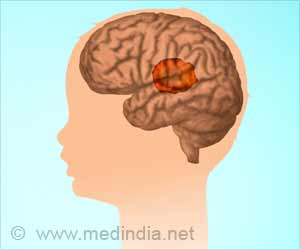
Brain tumors or intracranial tumors are a collection of abnormal cells in the brain. Brain tumors which develop inside the brain are called primary brain tumors. Sometimes, the tumors spread to the brain from other parts of the body and are known as secondary brain tumors or metastatic brain tumors (1 Trusted Source
Brain tumor

Go to source
).

Symptoms of a brain tumor may vary depending on the location of the brain tumor. Some of the symptoms include headaches, seizures, speaking difficulty, personality changes, weakness or paralysis, loss of balance, vision changes, hearing changes, and confusion (2 Trusted Source
Types of Brain Tumors

Go to source
).

Top Ten Facts about Brain Tumors

Statistics on Brain Tumors

  1. Primary brain tumors originate in the brain and there are over 126 such tumors listed by WHO.
  2. Glioma is the the most common primary brain tumour and originates from supporting brain cells that are called glial cells and 50% of all brain tumors begin as benign tumors (3 Trusted Source
    Gliomas

    Go to source
    ).
  3. Each year approximately 200,000 people in the United States are diagnosed with metastatic or primary brain tumors (4 Trusted Source
    Metastatic Brain Tumors

    Go to source
    ).
  4. The five-year survival rate for malignant brain tumors is around 35.7% (5 Trusted Source
    Brain Tumor Facts

    Go to source
    ).
  5. About 1 milion people are living with primary brain tumors in the United States (5 Trusted Source
    Brain Tumor Facts

    Go to source
    ).
  6. Adults account for over 82% of all primary brain tumors (6 Trusted Source
    Conquering and Curing Brain Tumors through Innovative, Transformative Research

    Go to source
    ).

Types of Brain Tumors

  1. The most common brain tumors are cancers that spread to the brain from other parts of the body (e.g., lung, breast, colon, or prostate) (7 Trusted Source
    Metastatic Brain Tumors

    Go to source
    ).
  2. Astrocytes are another type of brain tumor. They get their name because their cells look like stars ; the word ‘astro’ in Latin means "star" (8 Trusted Source
    Sample records for c6 astrocytoma cells

    Go to source
    ).
  3. A primary brain tumor is often limited to the brain and does not spread to other organs. If brain death occurs in these patients, it is possible to donate their organs (9 Trusted Source
    Organ Transplants From Deceased Donors With Primary Brain Tumors and Risk of Cancer Transmission

    Go to source
    ).

Treatment for Brain Tumor

  1. Brain tumors can be treated by surgery, radiation therapy, stereotactic radiotherapy, chemotherapy, or by using these in combination. The most important issue when treating these patients, besides trying to cure them, is to ensure that their quality of life is not compromised (10 Trusted Source
    Radiation therapy for older patients with brain tumors

    Go to source
    ).

Last Updated on Nov 01, 2023
Recommended Readings

Brain Tumors - Related News

Intranasal Drug Delivery System for Brain Tumors Expands Clinical Trials in India
A novel intranasal drug delivery system for brain tumors is advancing clinical trials in India, offering a non-invasive, targeted treatment.
World Brain Tumor Day 2025: Take a Second Look, It Could Save a Life
World Brain Tumor Day raises global awareness about brain tumors, emphasizing early detection, support, and advances in treatment.
Boost Brain Tumor Outcomes With These 8 Healthy Habits
A brain tumor diagnosis can be daunting, but early screening, care, and healthy habits can aid recovery and improve long-term brain health and quality of life.
Stress and Brain Tumors: Debunking the Myths on World Brain Tumor Day
Stress alone doesn't cause brain tumors, but maintaining emotional well-being and health awareness is vital. Early detection, and a balanced lifestyle support better outcomes.
Popular Contraceptive Pill Desogestrel May Double Brain Tumor Risk
Contraceptive pills, especially desogestrel when used long-term, may increase brain tumor risk in some women.
More Related News

Post a Comment

Comments should be on the topic and should not be abusive. The editorial team reserves the right to review and moderate the comments posted on the site.

Comments

worried-sister, United States - Sep 24, 2012

Hello, my brother that is 50 years old was recently diagnosed with a brain tumor. He was told that it was incurable, he is scheduled for surgery on Friday of this week to remove it. He will then go through Chemo and radiation but was told this will only help to prolong his life for a time. My mother died from brain cancer in July of 2008 but her tumors came from her breast cancer. I guess my question is, what is the usual life expectancy after a procedure like this. I know that no one can know for certain, but being that I will probably be his primary care giver other than my 72 year old father I am trying to prepare myself for what is ahead. Will he be in some sort of rehab? Will this Chemo make him extremely ill? I apologize that I don’t have the exact type of brain tumor that it is, I only know that he is terminal. Any answers you can give me would be helpful, or maybe some sort of direction as to where I may be able to find these answers would be helpful.

Jehnavi - Mar 08, 2010

A brain tumor is an abnormal mass of tissue in which cells grow and multiply uncontrollably, seemingly unchecked by the mechanisms that control normal cells. Brain tumors can be primary or metastatic, and either malignant or benign.

Health Facts
View all
What's New on Medindia
Why Is Delhi's Air Turning Toxic? Children Struggle as Pollution Reaches 'Unhealthy' Levels
Garlic Vs. Chlorhexidine: Can a Natural Remedy Match Dentistry's Gold-Standard Mouthwash?
Is A2 Milk Better Than Regular Milk?
View all
Stay Connected
Available on the Android Market Available on the App Store
⬆️
This site uses cookies to deliver our services.By using our site, you acknowledge that you have read and understand our Cookie Policy, Privacy Policy, and our Terms of Use  Ok, Got it. Close