MEDINDIA
 English
 हिन्दी
 Español
 français
 中文
中文
 Email
Email
- Detection of microplastics in human tissues and organs: A scoping review - (https://pubmed.ncbi.nlm.nih.gov/39175335/)
- Microplastics and Oxidative Stress-Current Problems and Prospects - (https://pubmed.ncbi.nlm.nih.gov/38790684/)
- Effects of Hormones and Endocrine Disorders on Hair Growth - (https://pmc.ncbi.nlm.nih.gov/articles/PMC9788837/)
- The effect of microplastic pollution on rice growth, paddy soil properties, and greenhouse gas emissions: A global meta-analysis - (https://www.semanticscholar.org/paper/The-effect-of-microplastic-pollution-on-rice-paddy-Deng-Liang/0a1ce4e48c736b5116a6b89580655b7c279d9b6c)
- Potential risk of microplastics in processed foods: Preliminary risk assessment concerning polymer types, abundance, and human exposure of microplastics - (https://pubmed.ncbi.nlm.nih.gov/36343455/)
- Unveiling the hidden chronic health risks of nano- and microplastics in single-use plastic water bottles: A review - (https://pubmed.ncbi.nlm.nih.gov/40555020/)
- Consuming microplastics? Investigation of commercial salts as a source of microplastics (MPs) in diet - (https://pmc.ncbi.nlm.nih.gov/articles/PMC9813175/)
- Are Honey Bees at Risk from Microplastics? - (https://pubmed.ncbi.nlm.nih.gov/34063384/)
- Plastic ingestion by marine fish is widespread and increasing - (https://pubmed.ncbi.nlm.nih.gov/33561314/)
About
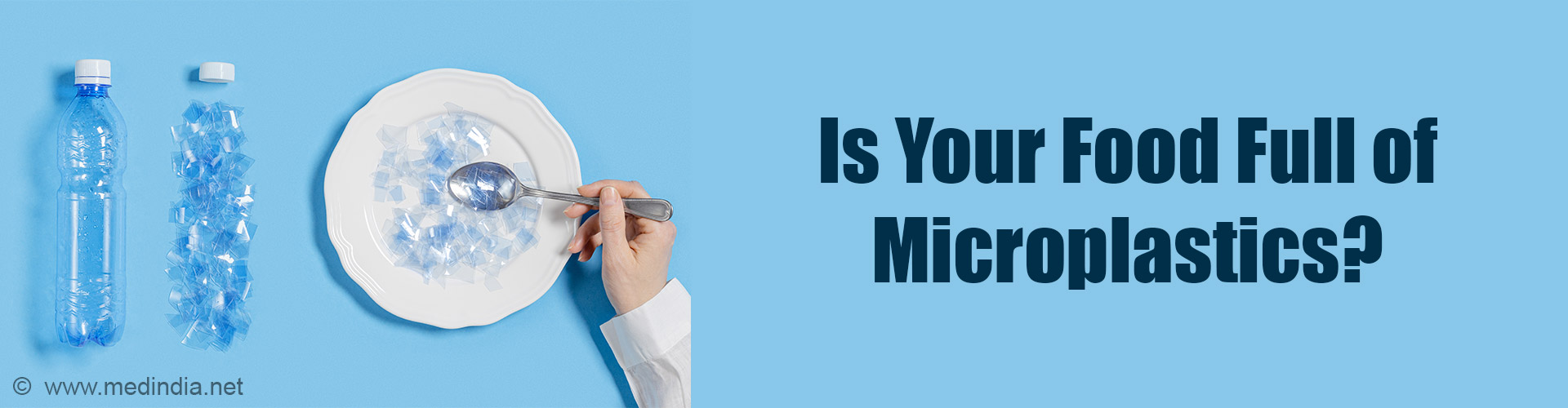
Most people have heard of microplastics- tiny plastic particles less than 5 millimeters wide, polluting our oceans and environment. But did you know these invisible pollutants are also in many everyday foods? Scientists now believe we are all consuming microplastics every day, sometimes without even realizing it. This growing concern is raising new questions about long-term health effects and how you can limit your exposure.
Did You Know?
Rinsing your rice can wash away up to 40% of the microplastics lurking inside! #microplasticfacts #eatsmart #plasticfreekitchen #medindia





What Are Microplastics and Why Are They a Problem?
Microplastics come from broken-down plastic waste, synthetic fibers, packaging, bottles, and the plastics used in food production. Because they are so small and everywhere, they turn up in soil, water, air, and ultimately our food and drinking water. Research shows that microplastics can be found throughout the human body, even in organs like the brain, placenta, and heart(1✔ ✔Trusted Source
Detection of microplastics in human tissues and organs: A scoping review
Go to source).
Emerging evidence suggests these particles might not just pass harmlessly through us. Scientists worry they could cause health issues like(2✔ ✔Trusted Source
Microplastics and Oxidative Stress-Current Problems and Prospects
Go to source):
- Oxidative stress and DNA damage
- Organ dysfunction
- Metabolic or reproductive problems
- Immune system disruption
- Neurodevelopmental effects
But experts say there is a lot we still don’t know. How much do we actually eat? For how long do microplastics stay in our bodies, and at what level do they become dangerous? More research is needed, but most agree it’s wise to limit exposure where possible.
10 Common Foods with the Most Microplastics
Certain foods tend to contain more microplastics, either because of how they are grown, processed or packaged, or simply because plastic contamination is common in today’s world. Here’s what researchers and food safety experts have found:
1. Tea Bags
- Many commercial tea bags contain polypropylene, a plastic used for sealing them.
- When you steep a tea bag in hot water, microplastics may leach into your drink(3✔ ✔Trusted Source
Effects of Hormones and Endocrine Disorders on Hair Growth
Go to source).
Tip: Choose loose-leaf tea with a stainless steel infuser instead of tea bags with plastic.
2. Rice
- Studies show rice can have high microplastic content from contaminated soil and irrigation water(4✔ ✔Trusted Source
The effect of microplastic pollution on rice growth, paddy soil properties, and greenhouse gas emissions: A global meta-analysis
Go to source).
Tip: Rinsing rice thoroughly before cooking removes up to 40% of microplastics.
3. Ultra-Processed Foods
- Chicken nuggets, tofu, plant-based burgers, and other processed proteins tend to contain more microplastics per gram than whole foods.
- The more processed the food, the higher the microplastic risk(5✔ ✔Trusted Source
Potential risk of microplastics in processed foods: Preliminary risk assessment concerning polymer types, abundance, and human exposure of microplastics
Go to source).
4. Bottled Water
- Both single-use and reusable plastic water bottles leach microplastics, especially when exposed to heat or squeezed(6✔ ✔Trusted Source
Unveiling the hidden chronic health risks of nano- and microplastics in single-use plastic water bottles: A review
Go to source).
Tip: Use stainless steel or glass bottles, which don’t release microplastics.
5. Salt
- Even natural salt contains microplastics! Himalayan pink salt has the highest levels, followed by black and sea salt(7✔ ✔Trusted Source
Consuming microplastics? Investigation of commercial salts as a source of microplastics (MPs) in diet
Go to source). - Salt isn’t processed like some foods, so environmental contamination is directly reflected.
6. Fruits and Vegetables
- Root vegetables (carrots, potatoes, beets) absorb microplastics from the soil.
- Rainwater and irrigation add to contamination, so all produce is at risk.
7. Honey
- Bees are exposed to microplastics in the environment, so even honey can contain particles(8✔ ✔Trusted Source
Are Honey Bees at Risk from Microplastics?
Go to source).
8. Plant-Based Foods
- Tofu, plant-based nuggets, and other meat alternatives are increasingly found to contain microplastics.
9. Fresh Seafood
- Marine animals ingest microplastics(9✔ ✔Trusted Source
Plastic ingestion by marine fish is widespread and increasing
Go to source), which then accumulate in their tissues. Shellfish and bottom-feeders (clams, mussels, catfish, cod) have some of the highest levels.
Tip: Eat a variety of seafood and consider sources with lower exposure.
10. Processed Seafood
- Packaged and breaded items like fish sticks and shrimp often contain microplastics from both the sea and food processing.
What Are the Health Risks of Microplastic Consumption?
While scientists continue to explore the risks, microplastics may harm your health in several ways:
- Cell Damage and Inflammation: These particles can cause oxidative stress, which damages cells.
- Organ and Metabolic Disruption: Microplastics have been seen to alter organ function in animal studies.
- Immune System Changes: They may suppress normal immune responses.
- Potential for Chemical Release: Microplastics can carry harmful chemicals or pathogens into your body.
- Reproductive and Developmental Toxicity: Early research suggests possible impacts on reproduction and development.
More human research is needed, but limiting accidental consumption of microplastics is considered a smart precaution.
How to Reduce Microplastic Exposure in Food and Drink
- Choose foods with minimal packaging and avoid single-use plastics when shopping or storing food.
- Filter tap water instead of relying on bottled water.
- Buy loose, fresh produce and rinse thoroughly before eating or cooking.
- Avoid microwaving food in plastic containers and don’t reuse disposable plastics.
- Select loose-leaf or bagless tea and infuse with non-plastic tools.
- Moderate intake of highly processed foods and opt for whole, unprocessed ingredients when possible.
- Be an informed seafood consumer, and consider mixing up your protein sources.
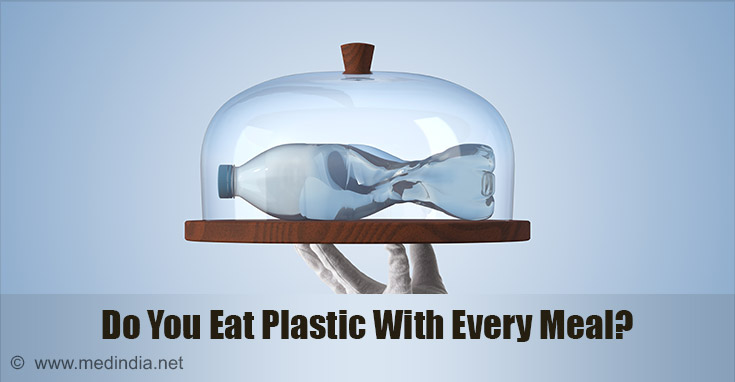
Completely avoiding microplastics in today’s world is not realistic, but you can take small steps to reduce your exposure. As science continues to investigate potential health impacts, choosing less-processed foods, avoiding plastic packaging, and making simple swaps can help you and your family stay healthier.