 MEDINDIA
 English
 हिन्दी
 Español
 français
 中文
中文
Abnormal Vaginal Bleeding
Abnormal vaginal bleeding occurs at the wrong time of the month when the women is not supposed to be menstruating. This is the most common cause of abnormal vaginal bleeding during child bearing years.
The doctor must consider the following three features to evaluate if bleeding is abnormal or normal:
a) Pregnancy in patients
Vaginal bleeding often occurs in the first stages of pregnancy when the clear signs are not visible. Vaginal bleeding in pregnant women can also be a sign of miscarriage or an ectopic pregnancy
b) Abnormal menstrual bleeding patterns
The duration, interval and quantity of menstrual discharge may be indicative of the abnormality that is causing the bleeding.
- Hypomenorrhea- when menstrual bleeding is for short duration. A hyperactive thyroid (hyperthyroidsm), certain kidney diseases or oral contraceptives can cause hypomenorrhea Hypermenorrhea-when menstrual bleeding is for long duration
- Polymenorrhea – when the periods occur too frequently. This can be due to pelvic inflammatory disease, endometriosis or sexually transmitted diseases,.Sometimes, the cause is unclear, especially in the case of dysfunctional uterine bleeding.
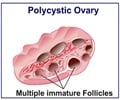
- Oligomenorrhea – when the menstrual periods are seldom. This can occur when a women is suffering from anorexia, physical and medical stress or when she suffers from Poly Cystsic Ovarian Syndrome (PCOS)
- Metrorrhagia –Is more common in perimenopausal women( on the verge of a menopause) when the duration of the period varies from one cycle to another. This can be due to benign growths in the cervix like polyps or due to uterine infections or birth control pills. Sometimes an identifiable cause will be absent.
- Menorrhagia – When the menstrual bleeding is heavy (> 5 tablespoon blood loss per month)
- Hypomenorrhea - Menstrual bleeding in low volumes
- Spotting especially in between periods. It can be due to:-
- Hormonal birth control pills or patches
- Use of intrauterine devices(IUD)
- Stress
- Medications such as anticoagulant drugs can also cause this condition.
c) Anovulation (lack of ovulation) in a woman is signaled by -
- prolonged bleeding at irregular intervals,
- absence of periods for a long duration
- high estrogen and low progesterone levels in the blood.
This combination places a women at a high risk for developing uterine cancer.
 Email
Email




















I am a 47 year of women, began my period at age 11. I have not had a period for 17 months. All of a sudden I have started bleeding 4 days still hasn't stopped.