MEDINDIA
 English
 हिन्दी
 Español
 français
 中文
中文
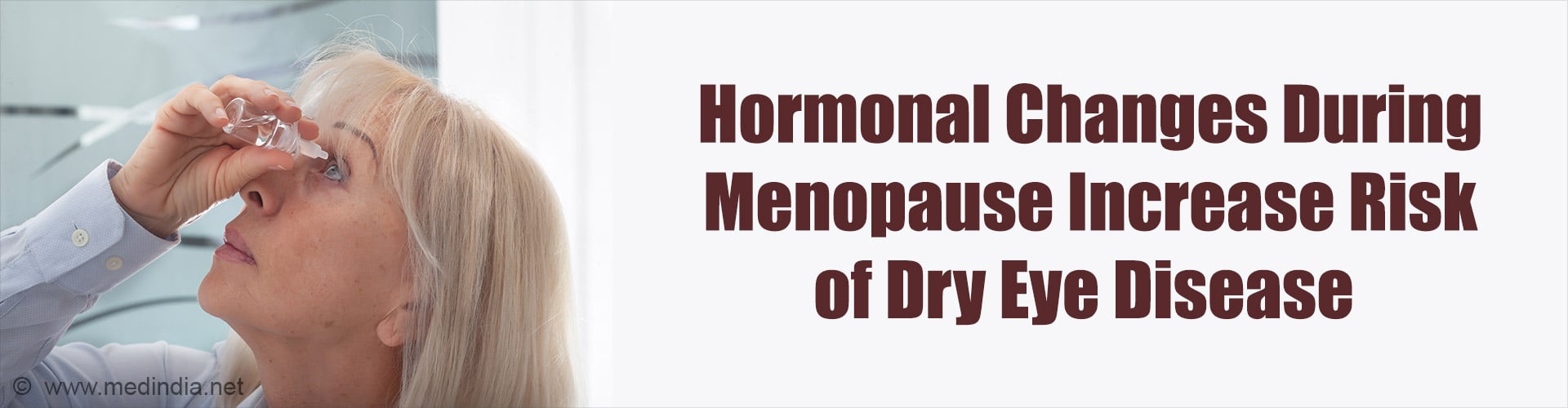
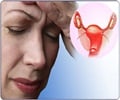
Postmenopausal women are more likely to experience dry eye disease compared to premenopausal women.
Highlights:
Postmenopausal women show a higher rate of dry eye disease than those in the perimenopausal phase, according to new findings to be presented at the 2025 Annual Meeting of The Menopause Society in Orlando from October 21 to 25. While symptoms like hot flashes and vaginal dryness are widely recognized during the menopause transition, dry eyes are an often-overlooked condition that tends to intensify during midlife (1✔ ✔Trusted Source- Postmenopausal women show a higher likelihood of developing dry eye disease
- Hormonal changes and aging both play key roles in altering tear production
- Early recognition and personalized care can prevent severe eye discomfort
Risk of Dry Eye Disease Increases During Menopause Transition
Go to source). Dry eye disease occurs when the eyes fail to produce adequate tears or when tears evaporate too rapidly. This leads to irritation, dryness, and discomfort, which can escalate to infections and surface damage if left untreated. Individuals with this condition frequently report sensations of burning, grittiness, and redness accompanied by inflammation.
Dry Eye Syndrome - Causes, Symptoms, Diagnosis, Treatment and Prevention
Dry eye syndrome, also called keratoconjunctivitis sicca, is a progressive condition characterized by dry eyes due to the absence of tears. There are many causes and symptoms of dry eye. Dry eye syndrome is treatable.
Dry eye syndrome, also called keratoconjunctivitis sicca, is a progressive condition characterized by dry eyes due to the absence of tears. There are many causes and symptoms of dry eye. Dry eye syndrome is treatable.
TOP INSIGHT

Did You Know?
“Over half of menopausal women experience dry eye - proof that hormone shifts can affect more than mood or metabolism.#dryeyedisease #menopause #medindia
Hormonal Shifts and Contributing Factors in Dry Eye Disease
Various factors heighten the risk of dry eye disease, including age, allergies, and autoimmune conditions. Certain medications, such as those used for managing high blood pressure and depression, can also contribute to its development. Additionally, sex hormones play a crucial role in tear production, influencing ocular health during hormonal changes.A new cross-sectional analytical observation involving more than 3,500 women with an average age of 52 examined the occurrence, symptoms, and prevalence of dry eye disease among premenopausal and postmenopausal women through the Ocular Surface Disease Index questionnaire. The study also explored menopause as a potential risk factor, along with autoimmune disease history, tobacco use, and contact lens wear.

Blinking Your Way to Healthier Eyes: Prevent Dry Eye Syndrome Naturally
Blinking spreads tears evenly, reduces evaporation, and stimulates tear production, keeping eyes moist and healthy.
Blinking spreads tears evenly, reduces evaporation, and stimulates tear production, keeping eyes moist and healthy.
How Common is Dry Eye in Menopause?
The findings showed that 57.38 percent of menopausal women were affected by dry eye disease compared to 53.22 percent of premenopausal women, based on Ocular Surface Disease Index scores.Further insights from the abstract titled “Dry Eye Disease: An Unrecognized Problem in Clinical Practice” will be discussed at The Menopause Society’s 2025 Annual Meeting.
Lead author Debora Yankelevich from Hospital de Clinicas Jose de San Martin in Buenos Aires, Argentina, emphasized that healthcare providers should routinely inquire about dry eye symptoms during consultations. Raising awareness and understanding of this condition can lead to earlier diagnosis and prevent long-term ocular complications.
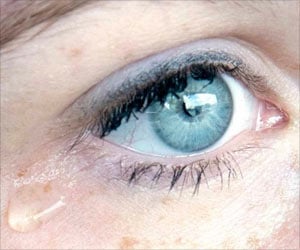
Dry Eyes? Make Blinking A Part Of Your Workout!
Aston University team develops an app-based blinking routine to ease dry eye symptoms using science-backed close-squeeze-open exercises done thrice daily.
Aston University team develops an app-based blinking routine to ease dry eye symptoms using science-backed close-squeeze-open exercises done thrice daily.
Why Early Detection and Hormonal Awareness Matter
Dr. Stephanie Faubion, medical director of The Menopause Society, explained that it is crucial to separate the effects of aging from hormonal influences on health. She highlighted the growing knowledge about changes in eye health among midlife women. Detecting dry eye disease early allows for customized treatments that help maintain comfort, vision clarity, and the overall health of the ocular surface.To sum up, the growing evidence linking menopause to dry eye disease highlights the critical need for awareness among both women and healthcare professionals. Hormonal changes during and after menopausecan quietly affect tear production and eye comfort — but recognizing the signs early can help prevent lasting discomfort and protect long-term vision.
Reference:
- Risk of Dry Eye Disease Increases During Menopause Transition - (https://menopause.org/press-releases/risk-of-dry-eye-disease-increases-during-menopause-transition)
Source-Medindia
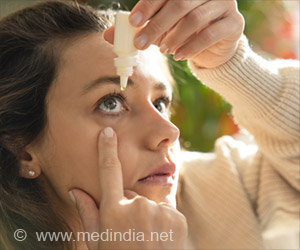
Enhancing Dry Eye Care Through Modern Strategies
Discover the latest approaches for effective management of dry eye disease, tailored for individual patient needs.
Discover the latest approaches for effective management of dry eye disease, tailored for individual patient needs.
 Email
Email