Prevention and Control of Bird Flu:
(WHO Regional Office for the Western Pacific, Manila, 26 January 2004)
- Cullers and transporters should be provided with appropriate personal protective equipment:
- Protective clothing, preferably coveralls plus an impermeable apron or surgical gowns with long cuffed sleeves plus an impermeable apron.
- Heavy duty rubber work gloves that may be disinfected.
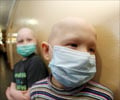
- N95 respirator masks are preferred. Standard well-fitted surgical masks should be used if N95 respirators are not available.
- Goggles
- Rubber or polyurethane boots that can be disinfected or protective foot covers that can be discarded.
- All persons who have been in close contact with the infected animals should wash their hands frequently with soap and water. Cullers and transporters should disinfect their hands after the operation.
- Environmental clean up should be carried out in areas of culling, using the same protective measures as above.
- All persons exposed to infected chickens or to farms under suspicion should be under close monitoring by local health authorities.
- It is recommended that oseltamivir be readily available for the treatment of suspected H5N1 respiratory infections in cullers and farm workers involved in the mass culling.
- They should also be vaccinated with the current WHO recommended influenza vaccine to avoid simultaneous infection by human influenza and avian influenza and to minimize the possibility of a re-assortment of the virus's genes.
- Additional health monitoring of chicken cullers, others involved in the process and their family members should be carried out. These individuals should report any relevant health problems (respiratory complaints, flu-like illnesses or eye infections) to a health care facility. Persons at high risk for severe complications of influenza (e.g. immuno- compromised, over 60 years old, or with known chronic heart or lung disease) should avoid working with affected chickens.
- Serological surveillance of exposed animal workers and veterinarians is encouraged.
- In liaison with designated laboratories, full blood and post mortem specimens (intestinal contents, anal and oro-nasal swabs, trachea, lung, intestine, spleen, kidney, brain, liver and heart) of animals (including pigs) should be collected for investigation of new viral isolates.