MEDINDIA
 English
 हिन्दी
 Español
 français
 中文
中文
 Email
Email
- Furosemide - (https://medlineplus.gov/druginfo/meds/a682858.html )
- Furosemide - (https://www.ncbi.nlm.nih.gov/books/NBK499921/ )
- Furosemide : Interaction with Food, Herbs and Alcohol - (https://www.medindia.net/drugs/drug-food-interactions/furosemide.htm )
- Food Effects on Oral Drug Absorption: Application of Physiologically-Based Pharmacokinetic Modeling as a Predictive Tool - (https://www.ncbi.nlm.nih.gov/pmc/articles/PMC7408216/ )
- Furosemide - (https://www.ncbi.nlm.nih.gov/books/NBK500810/)
Furosemide Medication Information
Learn everything you need to know about Furosemide-pronunciation, uses, dosage guidelines, indications, and when to take or avoid it.
Get up-to-date information on side effects, precautions, warnings, and proper storage to ensure safe usage.
Explore Furosemide brand names commonly used in India and internationally, along with detailed pricing information. Consult your healthcare provider for tailored medical advice.
Generic Name : Furosemide Pronunciation : fur oh' se mide ICD Code : Y54.4 Therapeutic Classification : DiureticsBrand Names or Trade Names of Furosemide
India :
Lasix High Dose (250 mg) |
Fruselac DS |
Frusemene (40mg/50mg) |
Lasix High Dose (500 mg) |
Frusenex® [Tab] |
Lasilactone (50mg/20mg) |
Frusemene (20mg/50mg) |
Lasilactone (20mg/100mg) |
fursimide |
Lasix (250 mg)
International :
Lasix
Other Name(s) of Furosemide
FrusemideWhy is Furosemide Prescribed? (Indications)
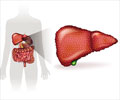
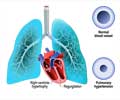
This medication is a diuretic agent, prescribed for fluid retention in people with congestive heart failure, liver disease or kidney disorder. It helps the kidney to get rid of unwanted water from the body.When should Furosemide not be taken? (Contraindications)
Contraindicated in patients with known hypersensitivity.What is the dosage of Furosemide?
PO- The usual initial dose is 20 to 80 mg given as a single dose. Max: 600 mg/day.How should Furosemide be taken?
It comes as a tablet to take by mouth, with or without food. It also comes as a solution for injection to be administered by a healthcare provider into the vein or muscle.What are the warnings and precautions for Furosemide?
• Caution should be exercised in patients with history of diabetes, gout, kidney or liver disease, during pregnancy and breastfeeding.• Avoid exposure to sunlight.
What are the side effects of Furosemide?
Gastrointestinal - Liver impairment, jaundice, loss of appetite, elevated liver enzyme levels, inflammation of pancreas, stomach irritation, cramping, diarrhea, constipation, nausea and vomiting.Hypersensitivity - Severe anaphylactic (e.g. with shock) and inflammatory of blood vessels.
Central Nervous System - Ringing in the ear, hearing loss, tingling, vertigo, dizziness, headache and blurred vision/visual defect.
Blood - Anemia, decrease in platelets and white blood cells.
Skin - Skin inflammation, redness, bruising, photosensitivity, hives, rash, itching, Stevens-Johnson syndrome and skin damage.
Heart - Increase in cholesterol and low blood pressure.
Miscellaneous - Increased sugar, muscle spasm, weakness, restlessness, urinary bladder spasm and fever.