 MEDINDIA
 English
 हिन्दी
 Español
 français
 中文
中文
About
Liquorice (Glycyrrhiza glabra), is a purple and white flowering perennial, native to the Mediterranean region and to central and Southwest Asia. It is cultivated widely for the sweet taproot that grows to a depth of four feet (1.2 m). Liquorice is also called sweet root as it is sweet in taste. In Sanskrit it is called yashtimadhu - 'yashti' meaning 'stem, stalk; and madhu, meaning 'sweet'. In Hindi liquorice is known as 'mulethi'. The root is perennial, round, long and straight, tough and fibrous. It is grayish outside and yellowish within. And its most desirable virtues lie inside of the cortical. In India, it is cultivated widely in Punjab and the sub-Himalayan tracts.
The most active compound in liquorice is glycyrrhizin. The bark of the root contains about 4% of glycyrrhizin, potassium or calcium salt of the glycyrrhizinic acid. Glycyrrhizin is about 50 times sweeter than cane sugar. There are two types of liquorice, "standard" liquorice and "de-glycyrrhizinated" liquorice (DGL). Each type is suitable for different conditions. When glycyrrhizin is removed from liquorice, the product is called deglycyrrhizinated liquorice or DGL.
Other components present in liquorice are antioxidants such as flavonoids, saponins, coumarins, sterols, choline, triterpenoids, lignins, amino acids including asparagine, gums, biotin, folic acid, inositol, lecithin, estrogenic substances, pantothenic acid, para-aminobenzoic acid, phosphorous, pentacyclic terpenes, protein, sugar, a yellow dye, and vitamins B1, B2, B3, B6 and E. Perhaps this is the reason for the broad range of effects liquorice has on the body. Liquorice contains only traces of essential oil; constituents identified include bicyclic monterpenoid ketones (fenchone, thujone) and coumarins (herniarin, umbelliferone).
Health Benefits of Liquorice/ Yashtimadhu
Traditionally, liquorice was used as a medicine rather than as a spice. The main part of the plant used in medicine is the root. This root is a demulcent and gentle relaxant, soothing to mucous irritations, and valued chiefly for its sweet taste and in masking the sharpness / pungency / taste of other remedies. Ayurveda recommends the root as beneficial in the treatment of coughs, colds, and other bronchial irritations.Helps Treat Skin Problems
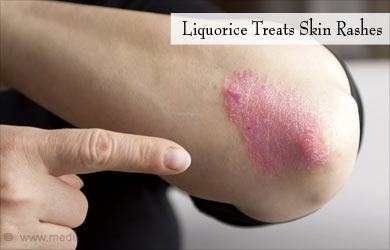
Liquorice is beneficial to treat eczema, skin rashes, psoriasis, and itchy and dry skin. Studies suggest that the demulcent and anti-inflammatory agents in liquorice may decrease the signs of atopic dermatitis (eczema). Just applying a concentrated extract made from liquorice root onto the area 2 to 3 times daily can help alleviate skin problems. Liquorice root extracts are widely used as a botanical agent in sunscreens.
Helps Treat Respiratory Problems
Liquorice is used to treat diseases of the upper respiratory tract. Ayurveda recommends liquorice as an effective expectorant, helping to liquefy mucus and facilitate its discharge from the body. The expectorant effect of liquorice benefits people suffering from asthma or chest colds with tight coughs or difficult breathing. Liquorice containing glycyrrhizin may be used for respiratory infections. For colds and respiratory afflictions, it can also be combined with fresh ginger.
Soothes Digestive Ailments
The liquorice root extract is also often used to treat digestive and intestinal problems such as dyspepsia (heartburn), gastric ulcer, stomach distress, bloating,
- Relieves Acidity And Constipation
In Ayurvedic medicine, powdered liquorice is also considered an excellent remedy for hyperacidity and constipation, and clinical tests prove that it is useful for relieving pain, discomfort and other symptoms caused by acid substance in the stomach. It removes the irritating effects of acids in a better way than alkalis. Furthermore, liquiritin, a flavonoid glycoside has been identified as the aglycon liquiritigenin and it is spontaneously formed when the root is dried. This is responsible for the spasmolytic effects of liquorice. It is a mild laxative, which soothes and tones the mucous membranes.

- Treats Ulcers
Deglycyrrhizinated liquorice (DGL) is useful in treating ulcers of the digestive tract because of the flavonoids, which are not harmed by the removal of glycyrrhizin. The flavonoids have been known to kill Helicobacter pylori, the bacteria that cause most ulcers and inflammations of the stomach.
Helps in Weight Loss
The flavonoids in liquorice help reduce excessive fat accumulation in the body. According to a study, published in the Obesity Research and Clinical Practice journal, people who took 900 mg of liquorice flavonoid oil daily for 8 weeks experienced reductions in body fat, body weight, body mass index, and low density lipoprotein (LDL) cholesterol levels.
Another study found that a topical application of glycyrrhetinic acid (a component of liquorice) reduced the thickness of fat on the thigh. However, taking liquorice long term has a number of health risks.
Alleviates Menopause Problems
Liquorice shows mild estrogenic properties similar to other phytoestrogens. It can promote estrogen production and interferes with the effects of too much estrogen, especially from external sources. The phytoestrogenic action of liquorice root is useful for hormonal problems including hot flashes, exhaustion, mood swings in women who are going through menopause.
Menstrual And Premenstrual Syndrome (PMS) Cramps
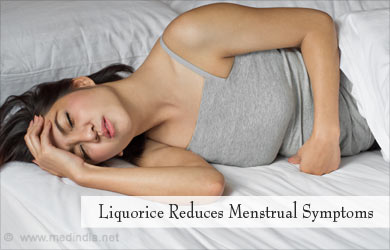
The anti-inflammatory, antispasmodic, and estrogenic action of liquorice might assist with PMS symptoms including mood swings, breast tenderness, menstrual cramps, nausea and bloating. According to studies, drinking liquorice root as a tea each day starting about three days before one's anticipated time of the month might help to alleviate PMS symptoms.
Promotes Oral Health
The antibacterial and antimicrobial properties of liquorice may prevent the growth of cavity-causing bacteria, reduce plaque, fight bad breath and keep the teeth and gums strong and healthy. According to a study published in the journal Anaerobe, liquorice root extract helps maintain oral health and can be beneficial when used in oral hygiene products such as toothpaste and mouthwash.
Antiviral And Antibacterial
Liquorice also exhibits antibacterial and antiviral properties. The action of glycyrrhizin in liquorice is similar to hormones produced by the adrenal cortex, especially desoxycorticosterone (DOCA). Glycyrrhizin is changed in the liver to glycyrrhetinic acid. Both these compounds promote the activation of interferon, a potent, naturally produced antiviral compound. Once interferon is activated, white blood cells come into play along with the immune systems' killer T cells that help the body fight cold viruses and herpes simplex. Liquorice exhibits antibacterial properties due to its flavonoids content rather than due to glycyrrhizin.
Anti-Inflammatory
Liquorice is also known for its anti-inflammatory and anti-allergic effects. This is due to the effect it has on the adrenal glands, which are responsible for producing cortisol, the body's natural corticosteroid. Glycyrrhizin inhibits prostaglandin production, another component of the inflammatory process.
Other Health Benefits
Liquorice can also be used to treat other types of inflammation such as in arthritis, allergic disorders, asthma, chronic fatigue, depression due to hormonal imbalance, emphysema, and hypoglycemia. Liquorice root, particularly deglycyrrhized liquorice, can be a useful adjunct to antibiotic treatment because it accelerates the healing of the stomach lining.
How To Use Liquorice
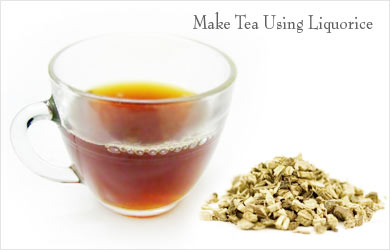
Liquorice root powder may be used in amounts ranging from 5 to 6 grams per day. Concentrated extracts may be used in the amounts ranging from 250–500 mg three times a day. Liquorice tea is pleasant tasting and needs no added sugar. It can be made by simmering a few pieces of the root in a pint of water for 15-20 minutes. Drink two to three cups of this per day to gain the health benefits of liquorice.
Liquorice - Side-effects and Precautions
Liquorice is beneficial for health in several ways. But one of the drawbacks of liquorice is that it may cause peripheral edema (fluid retention) due to the retention of sodium with a loss of potassium, which disappears when liquorice is stopped. This can cause high blood pressure.However for people with Addison's disease this is exactly the type of effect needed. In Addison's disease, the body collects sodium and promotes water loss leading to a serious imbalance of sodium, potassium, and other minerals and water. Consumption of plenty of fresh fruits and vegetables to increase potassium intake is recommended to help decrease the chance of side effects.
Long-term (more than two to three weeks) intake of products containing more than 1 gram of glycyrrhizin, i.e., the amount contained in approximately 10 grams of root, daily is the usual amount required to cause these effects. Consumption of 7 grams liquorice, which approximately contains 500 mg glycyrrhizin, per day for seven days, has been shown to decrease serum testosterone levels in healthy men by blocking enzymes needed to synthesize testosterone. As a result of these possible side effects, long-term intake of high levels of glycyrrhizin is discouraged, and should only be undertaken if prescribed by a qualified healthcare professional.
Liquorice is contraindicated in pregnant women as well as in people with heart disease, liver and kidney disorders. De-glycyrrhizinated liquorice extracts do not cause these side effects because there is no glycyrrhizin in them. Liquorice is not recommended for pregnant women as it may cause miscarriage or early delivery. Due to insufficient research and evidence, the National Institute of Health recommends avoiding the use of liquorice during breastfeeding. Always consult with your doctor before taking any herbal medicines.

References:
- The use of botanical products and vitamins in sunscreens - (http://www.ncbi.nlm.nih.gov/pubmed/26632925)
 Email
Email



















Turmeric can slow blood clotting and might cause extra bleeding during and after surgery - is it advisable to drink turmeric tea for people taking aspirin?