MEDINDIA
 English
 हिन्दी
 Español
 français
 中文
中文
The study found the mortality rate among live births with CZS was over 11x higher than among live births without CZS up to the age of 36 months.
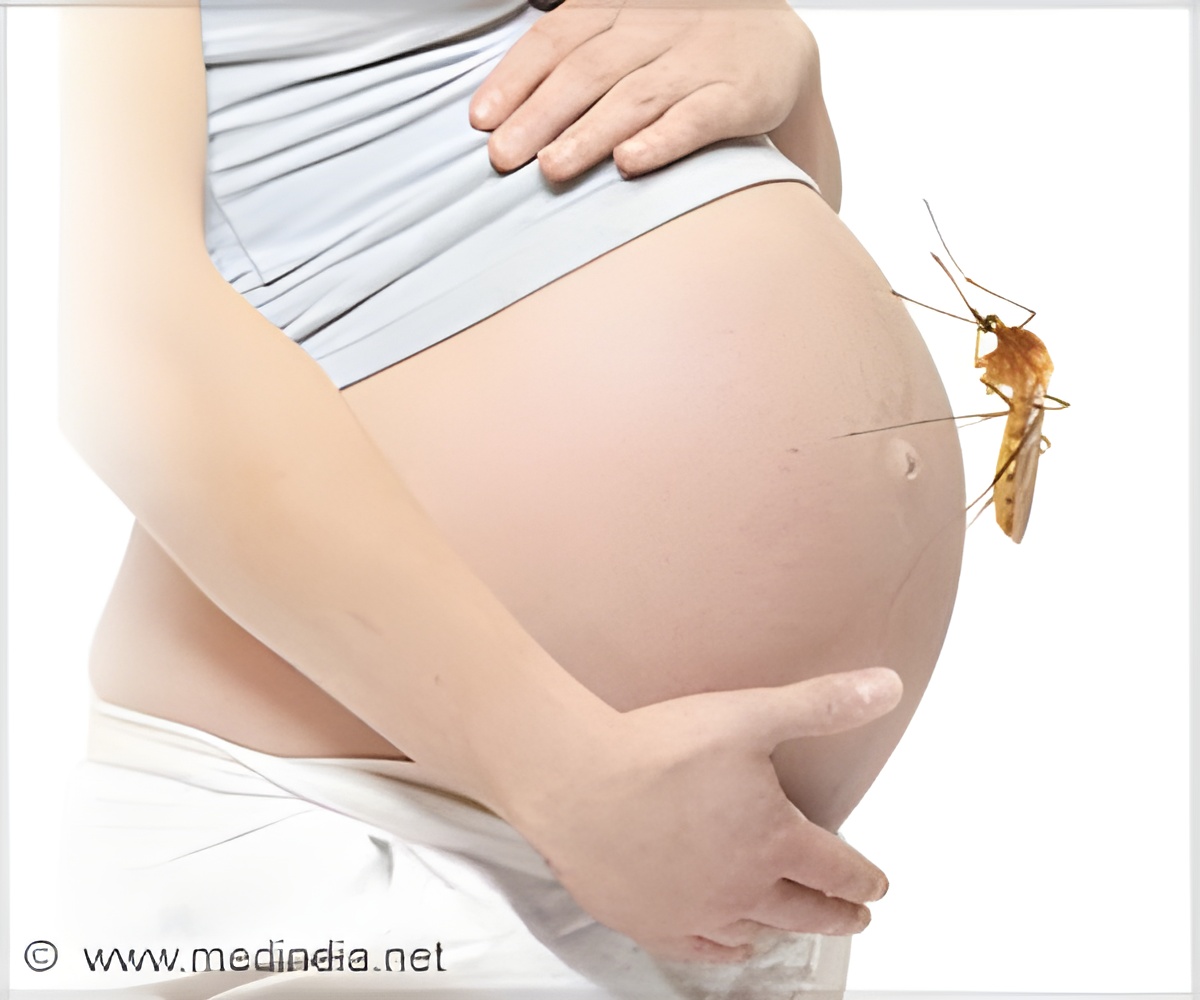
Zika Fever - Causes, Symptoms, Diagnosis, Treatment and Prevention
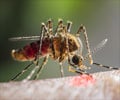
Zika virus is transmitted to humans by infected mosquitoes which causes mild fever with maculopapular rash. No treatment or vaccine is currently available.
Zika virus is transmitted to humans by infected mosquitoes which causes mild fever with maculopapular rash. No treatment or vaccine is currently available.
TOP INSIGHT

The increased infant death risk in babies born with congenital Zika syndrome (CZS) highlights the need for women to be protected against the virus.
The main causes of death amongst babies born with CZS were infectious diseases, diseases of the nervous systems, and congenital abnormalities – mainly sepsis, cerebral palsy, and microcephaly, respectively.
Dr. Enny Paixao Cruz, Assistant Professor at LSHTM and Research Associate at CIDACS, and study the first author, said: “Many may think Zika is a disease of the past, but in just November this year there was an outbreak of the virus in the Indian city of Kanpur, with a surge of nearly 100 cases. For the most vulnerable in our society and parents, it remains a global concern.
Zika Virus Could Help Treat Brain Cancer: Here�s How
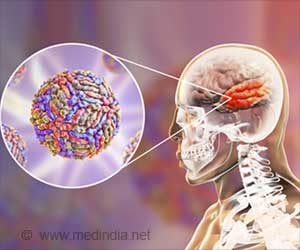
Zika virus could be utilized for treating glioblastoma, a type of brain cancer. The new approach blocks the entry of Zika virus into the brain and specifically kills cancer cells without harming healthy cells.
Zika virus could be utilized for treating glioblastoma, a type of brain cancer. The new approach blocks the entry of Zika virus into the brain and specifically kills cancer cells without harming healthy cells.
To plug this hugely important knowledge gap, researchers looked at over 11 million babies born in Brazil between 2015 and 2018. They explored the association between mortality rates and CZS, using data from public health, live birth, and death records.

Zika Virus May Be Causing More Pregnancy Losses Than Believed
Zika virus infection may be causing more pregnancy losses or stillborn babies than we believe. Therefore, it is important to screen all pregnant women living in areas where Zika virus infection is widespread.
Zika virus infection may be causing more pregnancy losses or stillborn babies than we believe. Therefore, it is important to screen all pregnant women living in areas where Zika virus infection is widespread.
Of more than 3,000 babies born with CZS, nearly 20% were born preterm, 36% were categorized as low birth weight (less than 3.3lbs), and 37% were small for gestational age. This compared to 10% preterm and 7% low birth weight and small for gestational age in the babies born without CZS.

Novel Technique Eradicates Disease-causing Mosquitoes
New technique utilizing a combination of radiation and Wolbachia bacteria has been shown to effectively eradicate disease-causing mosquitoes and control the spread of deadly mosquito-borne diseases such as dengue and Zika.
New technique utilizing a combination of radiation and Wolbachia bacteria has been shown to effectively eradicate disease-causing mosquitoes and control the spread of deadly mosquito-borne diseases such as dengue and Zika.
The researchers found no statistically significant difference between mortality risk for babies born with or without microcephaly, suggesting it carries no added risk for the baby. However, this could be because the study did not have the power to observe this difference. Therefore it still needs to be better investigated.
The increased mortality risk of live births with Congenital Zika Syndrome than those without this syndrome highlights the need to develop and implement postnatal medical care protocols, including early interventions, which can help reduce sequelae and adverse effects and improve the survival of these children.
Source-Medindia
 Email
Email