MEDINDIA
 English
 हिन्दी
 Español
 français
 中文
中文
ECDC issues guidance with tailored measures for Europe to prevent, detect & control chikungunya, dengue & Zika.
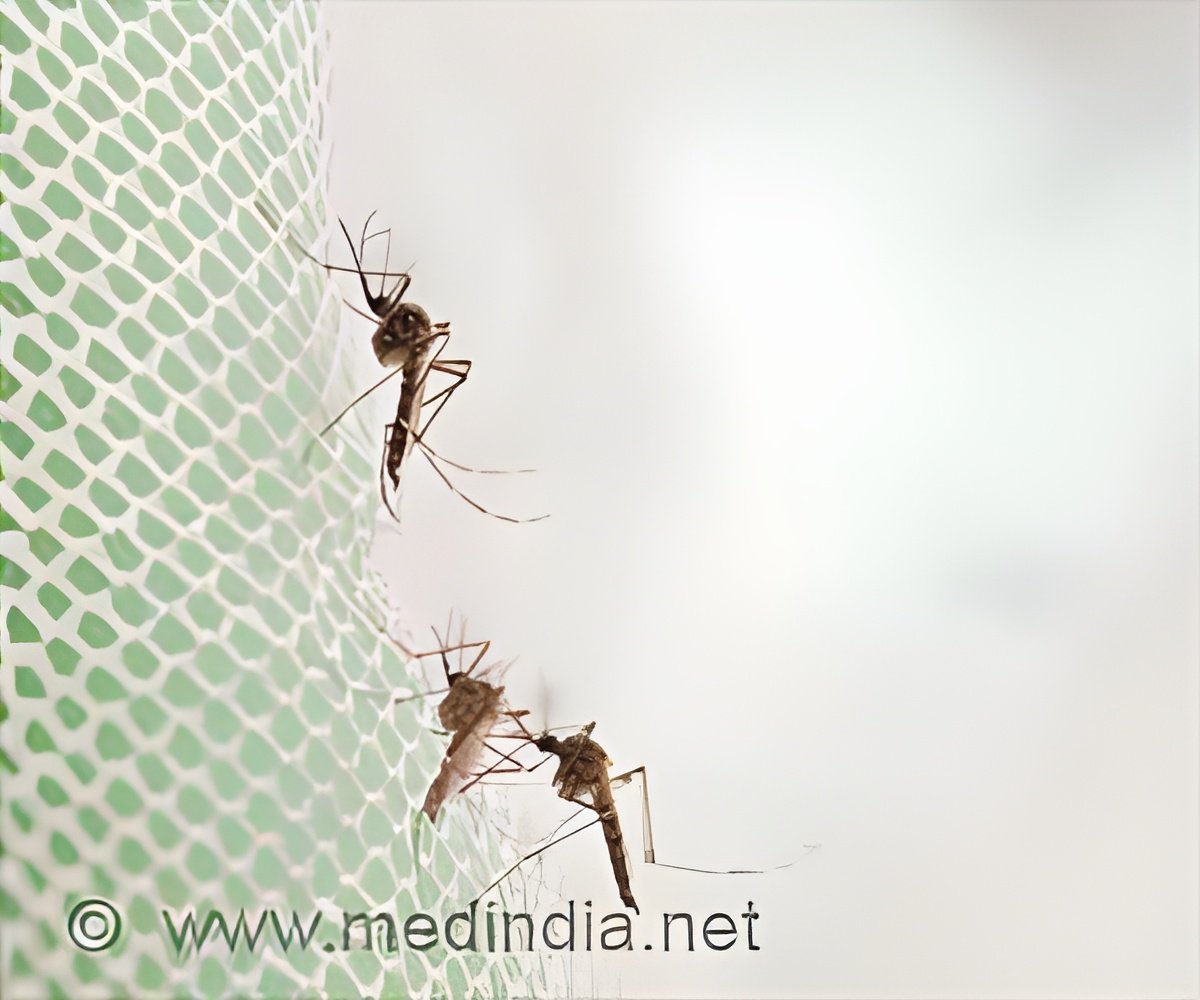
World Mosquito Day 2025: Europe sets new records for mosquito-borne diseases - ECDC supporting Member States in adapting to 'new normal'
Go to source). This trend is being fueled by climatic and environmental changes—rising temperatures, extended summers, milder winters, and shifting rainfall patterns—all of which create ideal conditions for mosquitoes to survive, multiply, and spread disease.
West Nile Virus
West Nile virus is an infection causing agent transmitted by mosquitoes. Most of the infected people do not display any signs or symptoms.
West Nile virus is an infection causing agent transmitted by mosquitoes. Most of the infected people do not display any signs or symptoms.
TOP INSIGHT

Europe’s “new normal”? Record outbreaks of #WestNile & #chikungunya hint at a changing climate where #mosquitoes thrive. #ECDC calls for urgent action. #WorldMosquitoDay
ECDC Calls for Stronger Action as Mosquito-Borne Disease Threats Intensify Across Europe
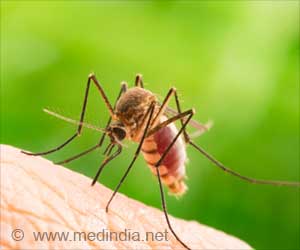
According to European Centre for Disease Prevention and Control (ECDC) Director Pamela Rendi-Wagner: 'Europe is entering a new phase — where longer, more widespread and more intense transmission of mosquito-borne diseases is becoming the new normal. ECDC is working closely with all Member States to provide tailored support and timely public health guidance to strengthen Europe’s response'.The mosquito that can spread chikungunya virus (Aedes albopictus) is now established in 16 European countries and 369 regions, up from just 114 regions a decade ago. Combined with increasing levels of international travel, this spread makes local outbreaks more likely.
Europe has seen 27 chikungunya outbreaks so far in 2025, a new record for the continent. For the first time, a locally acquired chikungunya virus disease case has been reported in France’s Alsace region — an exceptional occurrence at this latitude, highlighting the continued northward expansion of the transmission risk.

Chikungunya
Chikungunya is a viral disease spread by mosquito bites; it causes fever, severe joint pain and rash on the body. Chikungunya occurs in Africa, Asia and the Indian sub continent.
Chikungunya is a viral disease spread by mosquito bites; it causes fever, severe joint pain and rash on the body. Chikungunya occurs in Africa, Asia and the Indian sub continent.
New ECDC guidance outlines practical surveillance, prevention, and control measures for chikungunya virus disease, dengue, and Zika virus disease, with tailored recommendations for European countries, including those with limited experience or that have not previously faced the threat of these mosquito-borne diseases.
Mosquito Diseases
Mosquito-borne diseases, like malaria, filaria, dengue, etc are common in places conducive of mosquito breeding. Swamps, ponds and stagnated drainage provide optimal breeding ground for mosquitoes.
Mosquito-borne diseases, like malaria, filaria, dengue, etc are common in places conducive of mosquito breeding. Swamps, ponds and stagnated drainage provide optimal breeding ground for mosquitoes.
Mosquitoes Are Rewriting Europe’s Health Map
Dr. Céline Gossner, Head of Section Food-, Water-, Vector-borne and Zoonotic Diseases at ECDC, said: 'As the mosquito-borne disease landscape evolves, more people in Europe will be at risk in the future. This makes prevention more important than ever, both through coordinated public health action and personal protection measures. There is an urgent need to strengthen and scale up efficient, environmentally friendly mosquito control interventions'.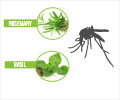
Top 10 Plants that Repel Mosquitoes Naturally
Growing mosquito repellent plants, helps in naturally protecting the area from mosquitoes and pests, thereby reducing incidence of mosquito-borne diseases.
Growing mosquito repellent plants, helps in naturally protecting the area from mosquitoes and pests, thereby reducing incidence of mosquito-borne diseases.
Healthcare professionals should be aware of the circulation of these viruses and ensure early diagnosis. New vaccines have been developed for chikungunya virus disease, but there is no vaccine for human use against WNV infection.
Reference:
- World Mosquito Day 2025: Europe sets new records for mosquito-borne diseases - ECDC supporting Member States in adapting to ‘new normal’ - (https://www.ecdc.europa.eu/en/news-events/world-mosquito-day-2025-europe-sets-new-records-mosquito-borne-diseases-ecdc-supporting)
Source-Eurekalert
 Email
Email