MEDINDIA
 English
 हिन्दी
 Español
 français
 中文
中文
Nipah research highlights the need for a One Health approach, linking animal, human, and ecosystem health to prevent outbreaks.
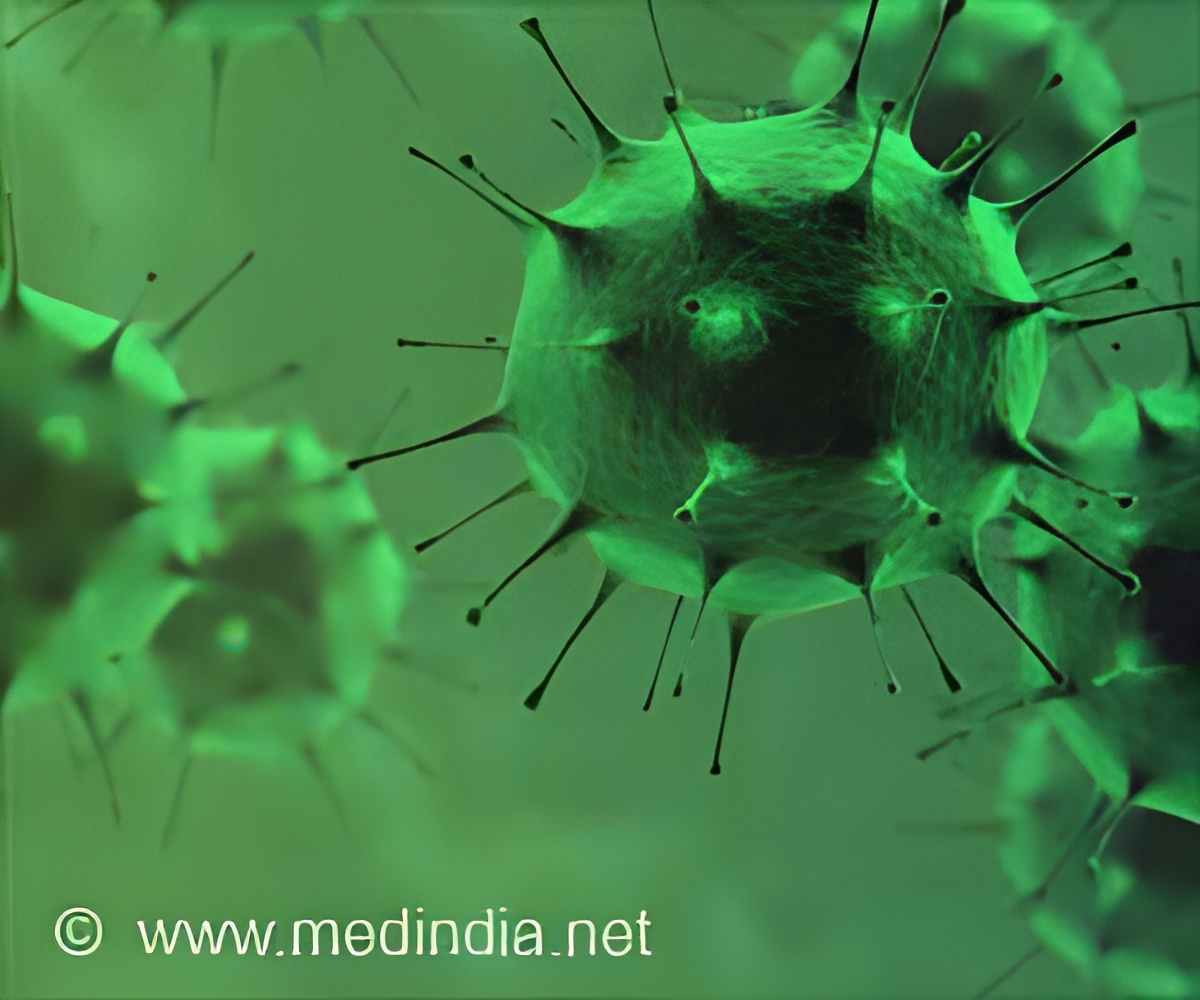
Nipah virus vaccines evaluated in pigs as a 'One Health' approach to protect public health
Go to source).
Nipah Virus (NiV) / Hendra Virus
Nipah Virus (NiV) or Hendra virus is a deadly virus that spreads via contact with the saliva, urine, or excreta of fruit bats or pigs. Nipah outbreak is an emerging zoonosis which had resulted in fatal deaths in Kerala, India.
Nipah Virus (NiV) or Hendra virus is a deadly virus that spreads via contact with the saliva, urine, or excreta of fruit bats or pigs. Nipah outbreak is an emerging zoonosis which had resulted in fatal deaths in Kerala, India.
TOP INSIGHT

Great news in the fight against #Nipah_Virus! All three tested vaccines successfully protected pigs from infection. This is a promising step forward in developing effective prevention strategies! #VaccineResearch #AnimalHealth
Nipah Virus: A Deadly Zoonotic Threat with Bats and Pigs at its Core
Nipah virus, first identified in the late 1990s, is among the world’s most dangerous zoonotic pathogens, capable of jumping from animals to humans. Originating in Old World fruit bats, the virus can infect multiple species, with pigs serving as a primary intermediate host.This pathogen poses a grave health risk, causing severe respiratory and neurological symptoms in both animals and humans. In people, Nipah virus has a high fatality rate and no approved treatment, making proactive measures such as vaccination critical.
To disrupt one of the virus’s main transmission routes, an international research team from the UK, Australia, and Bangladesh, led by scientists at The Pirbright Institute, has tested experimental vaccines designed for pigs. Their work, published in npj Vaccines, marks a key milestone in reducing the risk of future outbreaks.

Test Your Knowledge on Nipah Virus
Nipah Virus Infection Nipah virus infection is a newly emerging zoonoses (infection transmitted from animals to humans) capable of causing serious illness in humans as well as animals. Prevention is key to reducing the transmission. ...
Nipah Virus Infection Nipah virus infection is a newly emerging zoonoses (infection transmitted from animals to humans) capable of causing serious illness in humans as well as animals. Prevention is key to reducing the transmission. ...
Three Promising Vaccine Candidates: Leveraging Existing Tech for Nipah Defense
The study details the development of three vaccine candidates targeting different viral surface proteins. Notably, one candidate was created using the same viral vector platform as the Oxford/AstraZeneca COVID-19 vaccine, underscoring the adaptability of existing vaccine technologies to emerging threats.If proven effective, these vaccines could break the chain of transmission between pigs and humans, offering a powerful tool to protect livestock, safeguard human health, and strengthen global preparedness against future epidemics.
The virus was first identified during a major outbreak in 1998-99 in Malaysia which led to the culling of nearly half the country's pig population and resulted in significant economic losses.
Since then, the virus has continued to cause outbreaks in South and Southeast Asia, particularly in Bangladesh and India, where human-to-human transmission and consumption of contaminated food, such as date palm sap, have led to high fatality rates.
Infected people can develop encephalitis (swelling of the brain) as well as respiratory problems. The disease often begins with flu-like symptoms but can rapidly progress to coma and death. Currently, there are no licensed vaccines or treatment for use in pigs or humans, yet the disease poses a major threat to public and animal health.
Nipah is designated a priority disease by the World Health Organization (WHO) and a priority pathogen by the UK Health Security Agency, meaning research and development is urgently needed.

Nipah Virus: New Drugs on the Horizon
New drug molecules have been discovered that could cure Nipah virus disease. The inhibitors – designed by 3D structural modeling – are capable of blocking the transmission of 15 different Nipah virus strains.
New drug molecules have been discovered that could cure Nipah virus disease. The inhibitors – designed by 3D structural modeling – are capable of blocking the transmission of 15 different Nipah virus strains.
Testing Nipah Vaccines in Bangladesh's 'Nipah Belt'
The team assessed the immunogenicity - the vaccine’s ability to trigger an immune response - in mice and pigs, as well as it’s potential to protect pigs against Nipah. They then carried out further trials in ‘backyard’ pigs under field conditions in the ‘Nipah belt’ region of Bangladesh.Despite differences in the strength of the immune response, all candidates performed well, showing immunity in pigs vaccinated under field conditions in the Nipah-endemic regions.
Professor Simon Graham, Group Leader of the Porcine Reproductive and Respiratory Syndrome (PRRS) Immunology group at The Pirbright Institute said “By preventing Nipah outbreaks in pig populations, we can in turn mitigate human infections, protect economies, public health and food security. Our research moves us one major step closer to achieving this goal.”
The team is now working with partners in Germany to develop a cost-effective dual vaccine that could protect pigs against both Nipah and a common swine disease, combining pandemic preparedness with practical benefits for farmers.
Reference:
- Nipah virus vaccines evaluated in pigs as a ‘One Health’ approach to protect public health - (https://www.nature.com/articles/s41541-025-01212-y)
Source-Eurekalert
Nipah and Hendra Viruses Can be Blocked by Potent Antibody
Nipah and Hendra virus transmission can be blocked by a new monoclonal antibody that inhibits both viruses. The antibody prevents the viruses from attaching and fusing to host cells, thereby halting the infection.
Nipah and Hendra virus transmission can be blocked by a new monoclonal antibody that inhibits both viruses. The antibody prevents the viruses from attaching and fusing to host cells, thereby halting the infection.
 Email
Email