MEDINDIA
 English
 हिन्दी
 Español
 français
 中文
中文
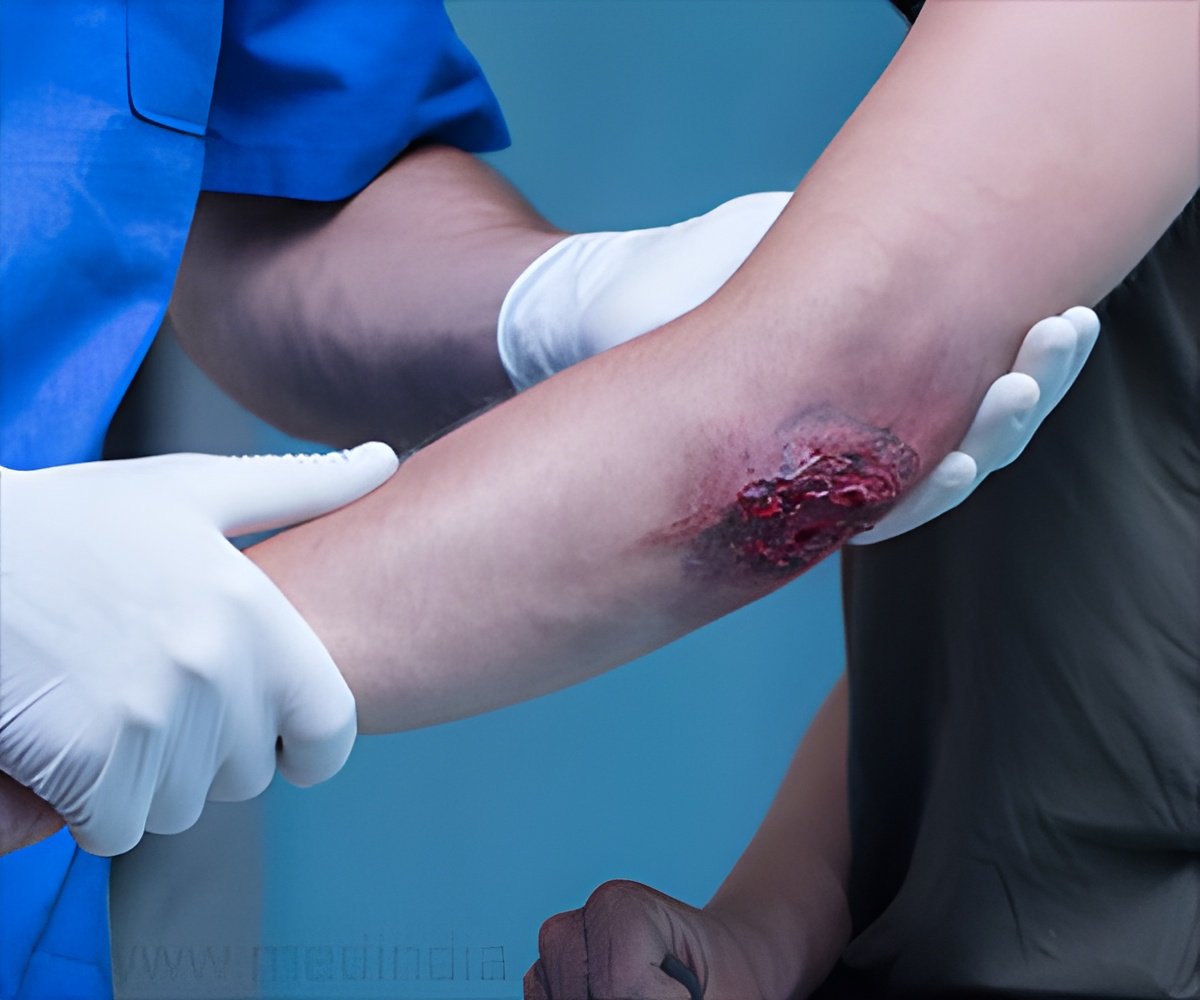
Stromal cell-derived-factor-1 (SDF1) compound secreted in the bloodstream could be the key factor that causes wounds in older people to heal with less scarring than in younger people.
Molecule that Repairs Liver Wounds Identified
Molecule that helps in the repair of liver wounds has been discovered by a team of researchers. CD26/DPP-4 is a promising biomarker for hepatic disease.
Molecule that helps in the repair of liver wounds has been discovered by a team of researchers. CD26/DPP-4 is a promising biomarker for hepatic disease.
TOP INSIGHT

Stromal cell-derived-factor-1 (SDF1) compound helps skin heal with less scarring.
The team then took tissue samples from young and old mice and compared their gene expression signatures. They identified 80 differences, too many to study. But when they asked which gene products are found in the blood stream, the list narrowed to 13 suspects. One was SDF1, a signaling molecule that was previously shown to play a role in scar formation in the skin, liver, and lung, and it seemed like a promising possibility. They confirmed that SDF1 was expressed in younger mice but not older. To prove that SDF1 may be the causal factor, they created a mouse that lacked SDF1 in the skin. When SDF1 function was inactivated, even young mice began to regenerate skin, behaving, in this sense, like older mice.
"This is a rare instance where aging actually improves the body's ability to heal rather than diminishing it," Leung said. "When we're younger, we secrete more SDF1 into the blood stream to form scars, but as we age, we lose this ability, which allows tissue to regenerate."
Clay May Help Kill Disease-causing Bacteria in Wounds
Clay or mud has antibacterial effects that can kill disease-causing bacteria in wounds.
Clay or mud has antibacterial effects that can kill disease-causing bacteria in wounds.
Source-Eurekalert

Kidney Trauma from Gunshot Wounds, Other Injuries: Is Surgery the Best Option?
Doctors exploring the best approach for treating penetrating kidney trauma from gunshot wounds and other injuries found that conservative, non-surgical management is a feasible option even in cases of a higher grade of injury
Doctors exploring the best approach for treating penetrating kidney trauma from gunshot wounds and other injuries found that conservative, non-surgical management is a feasible option even in cases of a higher grade of injury

New Plaster to Protect Wounds from Infection
Nature creates its own plaster to try and prevent bacteria and other micro-organisms from penetrating open wounds.
Nature creates its own plaster to try and prevent bacteria and other micro-organisms from penetrating open wounds.
 Email
Email