MEDINDIA
 English
 हिन्दी
 Español
 français
 中文
中文
The new guidelines recommend considering a wearable device for a wide range of patients at risk of sudden cardiac death, including those who have low ejection fraction -- a measure of the heart's pumping ability -- following a heart attack.
Heart Attack - Overview
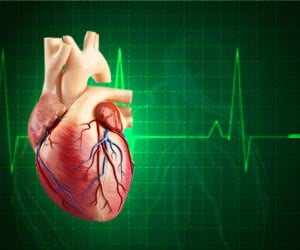
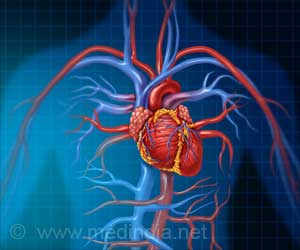
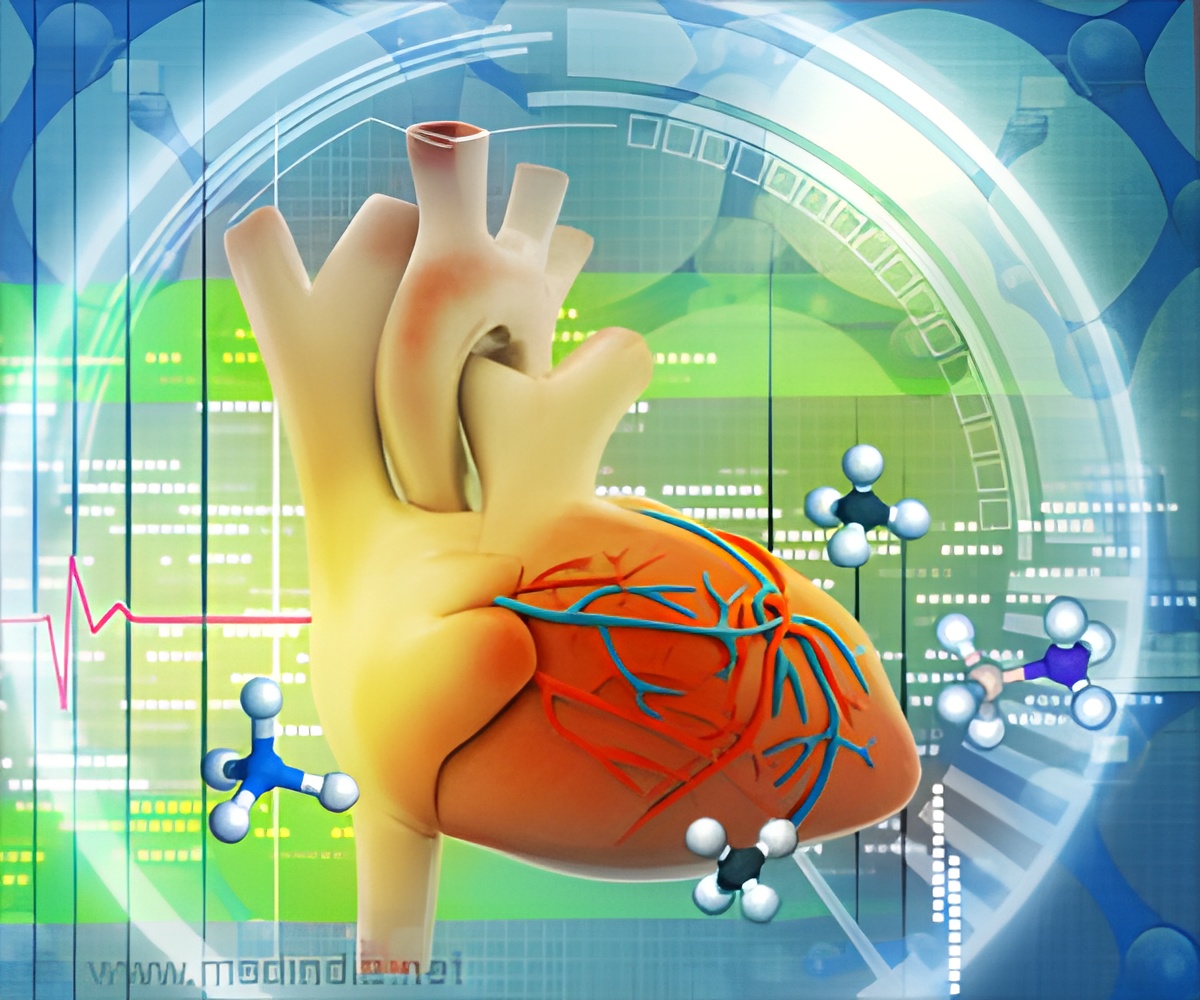
Heart attack is the death of the heart muscle due to loss of blood supply. Heart disease is the leading cause of death in the United States. Other names for heart attack include acute myocardial infarction, coronary thrombosis, and coronary occlusion.
Heart attack is the death of the heart muscle due to loss of blood supply. Heart disease is the leading cause of death in the United States. Other names for heart attack include acute myocardial infarction, coronary thrombosis, and coronary occlusion.
TOP INSIGHT

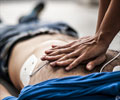
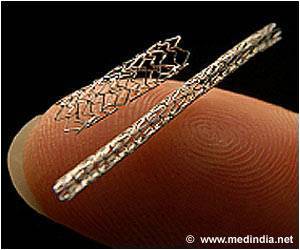
Wearable cardioverter defibrillators (WCDs) which consist of highly sensitive vests that can deliver an electric shock when the heart beats out of rhythm, are designed to provide medical intervention around the clock for patients who have had a heart attack and are at further risk of death due to arrhythmia.
"Previous research has shown the risk of mortality in low ejection fraction patients is highest in the first 90 days after a cardiac event, such as a heart attack or a new diagnosis of heart failure," said UCSF Health cardiologist Byron Lee, MD, MAS, professor of medicine and the Reeves Endowed Chair in Arrhythmia Research at UCSF and study co-principal investigator.
WCDs aim to bridge this sensitive period before a pacemaker can be implanted.

Long QT Syndrome - Causes, Symptoms, Diagnosis, Treatment & Prevention
Long QT syndrome is a rare congenital heart condition characterized by prolonged QT intervals and can cause sudden cardiac deaths.
Long QT syndrome is a rare congenital heart condition characterized by prolonged QT intervals and can cause sudden cardiac deaths.
Device participants were fitted, trained and instructed to wear it continuously except while bathing. The WCD group wore the device an average of 14.1 hours daily over the study period, starting at 18 hours and decreasing to 12 hours by day 90, at which point only half of the WCD patients still chose to wear the device.

Twenty (1.3 percent) of the device participants experienced at least one appropriate shock during the study, while nine (0.6 percent) received an inappropriate shock. About 70 percent of participants who had an appropriate shock survived to 90 days. Of the 48 participants who died, only 12 were wearing the WCD at time of death.

Implantable Cardioverter Defibrillators Linked to Increased Survival
Implantable cardioverter defibrillators (ICDs) are associated with improved survival among heart failure patients whose left ventricles only pump 30 to 35 percent of blood out of the heart with each contraction.
Implantable cardioverter defibrillators (ICDs) are associated with improved survival among heart failure patients whose left ventricles only pump 30 to 35 percent of blood out of the heart with each contraction.
Source-Eurekalert
 Email
Email