MEDINDIA
 English
 हिन्दी
 Español
 français
 中文
中文
WHO says Ebola outbreak is over in Uganda, but continued vigilance and monitoring are essential.

Uganda declares end of Ebola outbreak
Go to source). Uganda's Minister of Health, Ruth Aceng, made the announcement at a ceremony held at Busamagga Primary School Playground in Mbale, one of the districts impacted by the outbreak.
Ebola Virus Disease
Ebola is caused by a virus via direct contact with body fluids or infected blood. Scientists have identified five types of Ebola or Ebola hemorrhagic fever virus.
Ebola is caused by a virus via direct contact with body fluids or infected blood. Scientists have identified five types of Ebola or Ebola hemorrhagic fever virus.
TOP INSIGHT

#Uganda has officially declared the end of its #Ebola outbreak. What does this victory tell us about resilience and rapid response?
No New Ebola Cases for 42 Days in Uganda
"Having completed two full incubation cycles — that is, 42 days — since the last confirmed case was discharged, and with no new cases recorded amid ongoing surveillance, I now officially declare the current Sudan Ebola Virus Disease outbreak in Uganda to be over," Aceng stated. "Uganda is now free of active Ebola transmission."The outbreak was first declared on January 30, following the death of a 32-year-old nurse at Mulago National Referral Hospital. Throughout the outbreak, Uganda reported 14 cases (12 confirmed through laboratory testing and two probable), with four deaths (two confirmed, two probable). Health authorities successfully tracked and monitored 534 contacts, ensuring strict surveillance measures across affected areas. Ten individuals recovered from the infection.
In a statement, Chikwe Ihekweazu, Acting WHO Regional Director for Africa, praised Uganda’s swift and coordinated response. "This outbreak challenged us in new ways, spanning both urban and rural communities and unfolding amid global funding constraints," he noted. "Uganda’s experience and leadership in managing public health emergencies were critical to the effective containment of the virus."

Top 12 Interesting Facts About Ebola
Ebola is not contagious during the incubation period. Here are some interesting facts about Ebola
Ebola is not contagious during the incubation period. Here are some interesting facts about Ebola
The virus spreads through direct contact with the blood, secretions, organs, or other bodily fluids of infected individuals or animals.
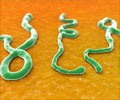
Quiz on Ebola
Why is the deadly Ebola virus outbreak making the health experts hit the panic button? Find out from this ...
Why is the deadly Ebola virus outbreak making the health experts hit the panic button? Find out from this ...
The outbreak was caused by the Sudan strain of the Ebola virus, one of six known species. Unlike the Zaire strain, which has licensed vaccines and treatments, there are currently no approved vaccines or therapies for the Sudan subtype. However, early supportive care has proven essential in reducing mortality rates.
Addressing Pregnancy Related Concerns During Ebola Outbreaks
Issues related to the care of pregnant women in the context of prevention and control of Ebola infection during outbreaks have largely been ignored by the health community. More studies are essential to understand this to develop effective care for ...
Issues related to the care of pregnant women in the context of prevention and control of Ebola infection during outbreaks have largely been ignored by the health community. More studies are essential to understand this to develop effective care for ...
"Uganda’s leadership and resilience were crucial in containing this outbreak," said Kasonde Mwinga, WHO Representative in Uganda. "The WHO has been proud to support the Ministry of Health from day one — deploying experts, providing supplies, and ensuring rapid investigation of every suspected case. The Ugandan people have shown extraordinary resolve."
The Ministry of Health, in collaboration with WHO and international partners, will continue to invest in survivor care, long-term surveillance, and preparedness activities to safeguard against future outbreaks.
This marks Uganda's eighth experience with Ebola and further cements the country’s reputation as a leader in outbreak response within the region.
Reference:
- Uganda declares end of Ebola outbreak - (https://www.afro.who.int/countries/uganda/news/uganda-declares-end-ebola-outbreak)
Source-Medindia
 Email
Email