MEDINDIA
 English
 हिन्दी
 Español
 français
 中文
中文
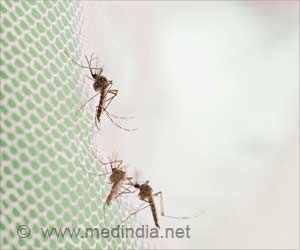
Malaria control needs layered strategies—vaccines, preventive drugs, and bed nets—especially in high-transmission regions.
Vaccination to mitigate climate-driven disruptions to malaria control in Madagascar
Go to source).
Climate-Resilient Malaria Control
Researchers found that these climate-driven interruptions create critical gaps in malaria prevention, increasing vulnerability in affected communities. However, the study offers hope: the recent introduction of long-lasting malaria vaccines shows strong potential to bridge these gaps, even when traditional interventions falter. The findings highlight an urgent need for climate-resilient malaria control strategies, ensuring protection for populations in regions increasingly threatened by extreme weather events.
Malaria
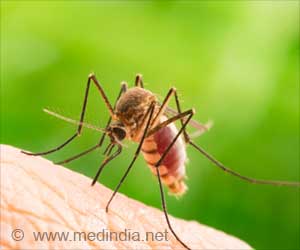
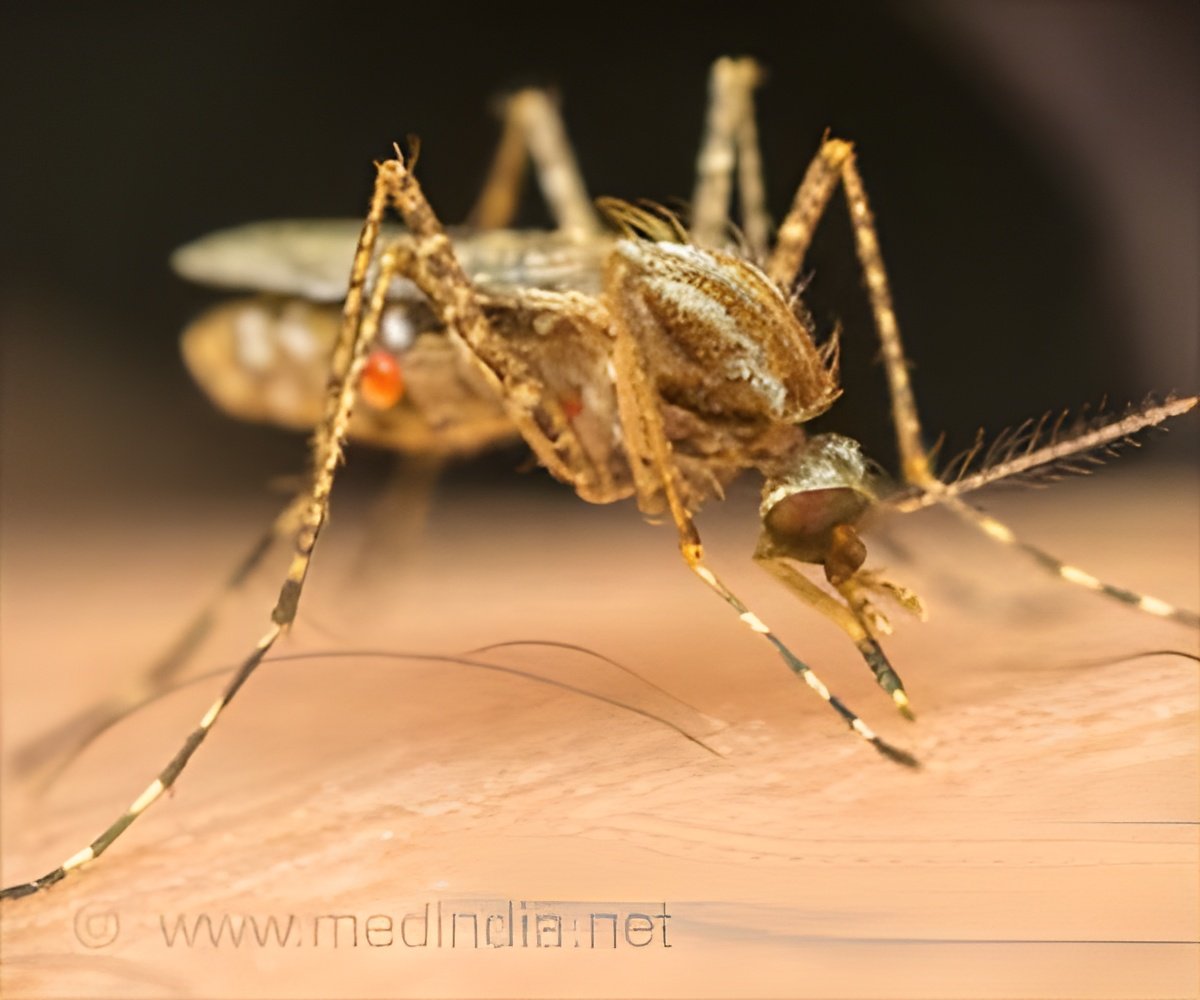
Malaria is caused by a parasite that enters blood through the bite of an infected mosquito. It is characterized by fever, vomiting, shivering, sweating and other symptoms.
Malaria is caused by a parasite that enters blood through the bite of an infected mosquito. It is characterized by fever, vomiting, shivering, sweating and other symptoms.
TOP INSIGHT

New #malaria_vaccines bring hope! With 10 months protection, they'll be key to reducing symptomatic infections and maintaining control, especially as #climate_change creates intervention challenges. #EndMalaria #GlobalHealth
Such disasters can severely disrupt public health infrastructure, limit access to malaria prevention and treatment, and increase infection risk, especially in high-burden regions where continuity of care and malaria control is critical.
However, despite concerns, data on how climate-related disruptions affect malaria control remain scarce. Madagascar – a country with a high malaria burden – is increasingly exposed to the effects of climate change, particularly through the growing frequency and intensity of tropical cyclones, which have repeatedly triggered severe damage to healthcare infrastructure.
Malaria - Protection Strategies
Malaria is a dangerous disease with lethal consequences that requires protective measures for prevention and control of malaria in endemic regions of the world.
Malaria is a dangerous disease with lethal consequences that requires protective measures for prevention and control of malaria in endemic regions of the world.
Tropical Cyclones in Madagascar Boost Malaria Risk
According to the findings, tropical cyclones in Madagascar significantly elevate the risk of malaria infection and reinfection by disrupting essential public health interventions, including malaria prevention and treatment programs.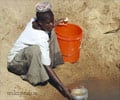
Malaria - Waterborne
Encyclopedia section of medindia gives general information about About Malaria Causes
Encyclopedia section of medindia gives general information about About Malaria Causes
By modeling various control strategies, the authors found that the recently introduced malaria vaccines, which offer up to 10 months of protection, could significantly reduce symptomatic infections and help sustain malaria infection control during climate-related intervention gaps.
Quiz on Malaria
Introduction: Malaria is a common parasitic disease of the tropics, resulting in a million deaths every year. It is most commonly found in tropical countries. The symptoms of malaria include fever with chills, headache, ...
Introduction: Malaria is a common parasitic disease of the tropics, resulting in a million deaths every year. It is most commonly found in tropical countries. The symptoms of malaria include fever with chills, headache, ...
Reference:
- Vaccination to mitigate climate-driven disruptions to malaria control in Madagascar - (https://www.science.org/doi/10.1126/science.adp5365)
Source-Eurekalert
 Email
Email