MEDINDIA
 English
 हिन्दी
 Español
 français
 中文
中文
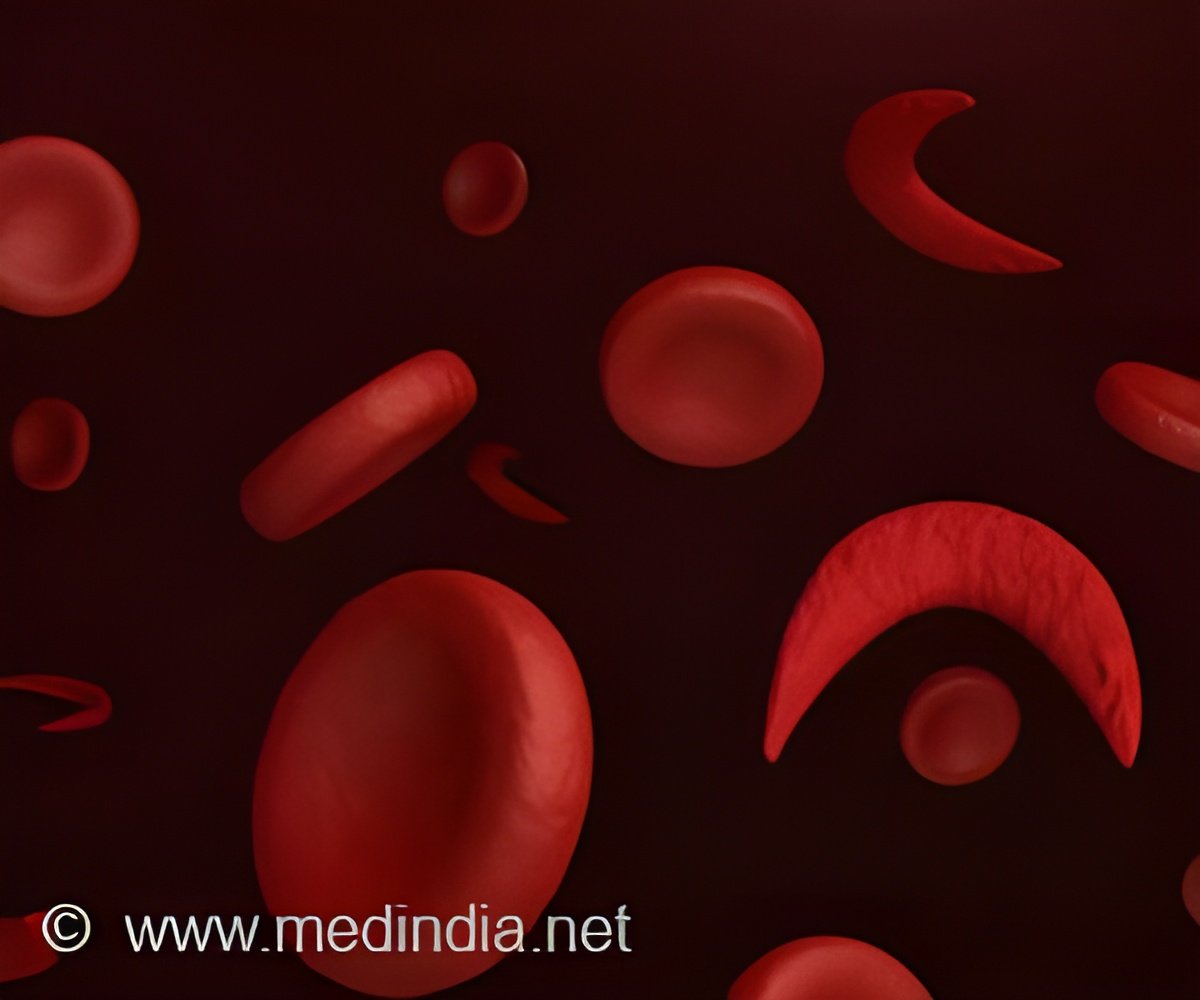
Complement pathway drives red blood cell breakdown in sickle cell disease, revealing factors beyond genetic mutations.
Complement is activated in patients with acute chest syndrome caused by sickle cell disease and represents a therapeutic target
Go to source).
FDA-Approved Drugs Show Promise for Sickle Cell ACS
In preclinical models, the team demonstrated that blocking this pathway with existing FDA-approved drugs significantly reduced the severity of ACS symptoms. These findings, published in Science Translational Medicine, open the door to new therapeutic approaches that could dramatically improve outcomes for patients with sickle cell disease.
Sickle Cell Anemia
Sickle cell anemia (SCA) is a genetic blood disorder caused by abnormal inherited hemoglobin. Sickle cell anemia is the most common form of sickle cell disease.
Sickle cell anemia (SCA) is a genetic blood disorder caused by abnormal inherited hemoglobin. Sickle cell anemia is the most common form of sickle cell disease.
TOP INSIGHT

#Redbloodcell breakdown can worsen #heart conditions. New understanding reveals complement activation causes #RBC lysis, triggering a feedback loop that may contribute to #AcuteChestSyndrome (ACS). #ResearchBreakthrough #SickleCellDisease
Sickle Cell Disease: Unraveling the Complement System's Role in Acute Chest Syndrome
Sickle cell disease occurs due to an inherited mutation in hemoglobin that causes the destruction of red blood cells (RBCs), or hemolysis. This, in turn, can block blood vessels, injure the lungs, and eventually progress into ACS—a condition that includes shortness of breath, chest pain and wheezing that can quickly progress and turn fatal. Prior research has suggested that hemolysis can activate the complement system — a group of immune proteins that trigger a cascade of events to eliminate pathogens. However, it has been unclear how the complement system contributes to ACS and disease progression.The research team analyzed blood samples from 27 patients with sickle cell disease and detected higher baseline levels of complement activation when compared to healthy controls. They also observed increased complement activation in patients experiencing ACS. Using a mouse model of sickle cell disease, the investigators found that the complement pathway helped cause the breakdown of red blood cells, indicating that factors other than mutated RBCs may be contributing to the symptoms of sickle cell disease.

Quiz on Sickle Cell Anemia
Sickle cell anemia is a genetic disorder that affects blood and necessitates frequent blood transfusions in certain cases. Test your knowledge on this condition by taking this quiz. ...
Sickle cell anemia is a genetic disorder that affects blood and necessitates frequent blood transfusions in certain cases. Test your knowledge on this condition by taking this quiz. ...
The authors propose that randomized clinical trials could be conducted to see if complement inhibitors that target different parts of the pathway could be effective in patients with ACS.

CRISPR Gene Editing for Sickle Cell Disease
CRISPR gene therapy trial for sickle cell disease begins, offering hope for a potential cure by targeting the genetic root of this debilitating condition.
CRISPR gene therapy trial for sickle cell disease begins, offering hope for a potential cure by targeting the genetic root of this debilitating condition.
- Complement is activated in patients with acute chest syndrome caused by sickle cell disease and represents a therapeutic target - (https://www.science.org/doi/10.1126/scitranslmed.adl4922)
Source-Eurekalert
Rising Stroke Rates in Sickle Cell Disease
Stroke rates are rising in individuals with Sickle Cell Disease (SCD), even with current treatment guidelines in place, highlighting the need for improved care strategies.
Stroke rates are rising in individuals with Sickle Cell Disease (SCD), even with current treatment guidelines in place, highlighting the need for improved care strategies.
 Email
Email