MEDINDIA
 English
 हिन्दी
 Español
 français
 中文
中文
Familial Adenomatous Polyposis (FAP) is an inherited disorder causing numerous colon polyps, raising colorectal cancer risk.
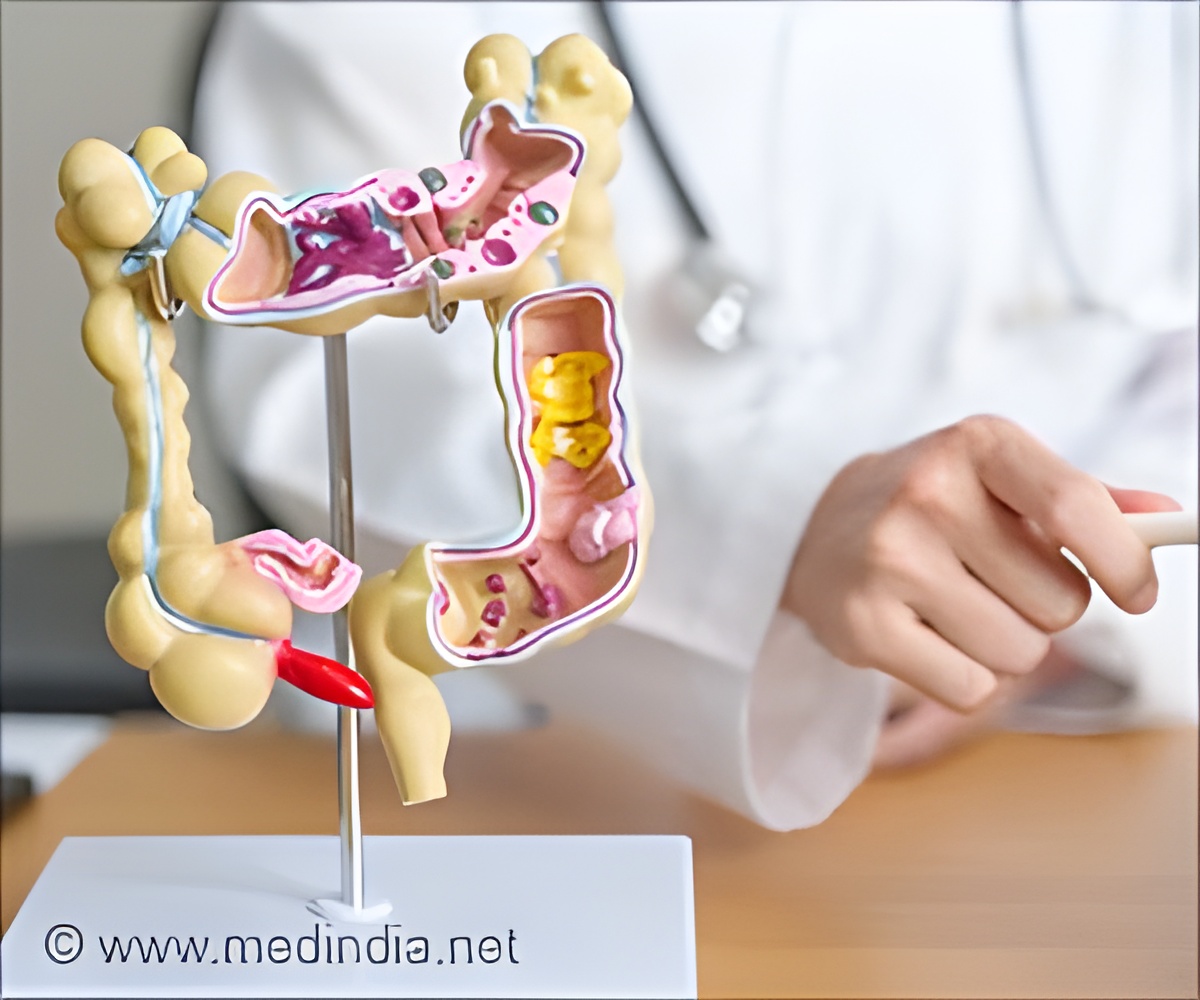
Contribution of colibactin-producing Escherichia coli to colonic carcinogenesis
Go to source). The findings, published in eGastroenterology, highlight a potential role for gut microbes in accelerating cancer risk in people with a strong genetic predisposition.

Gardner Syndrome / Familial Adenomatous Polyposis (FAP)
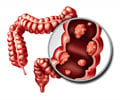
Gardner or Gardner's syndrome, also known as familial adenomatous polyposis (FAP), is an autosomal dominant genetic disease. It is characterized by growth of polyps in the colon, which develop into colon tumors.
Gardner or Gardner's syndrome, also known as familial adenomatous polyposis (FAP), is an autosomal dominant genetic disease. It is characterized by growth of polyps in the colon, which develop into colon tumors.
TOP INSIGHT

What if a common #gutbacterium could be a silent partner in cancer? People with a specific type of #E_coli in their gut were more than three times as likely to have had #colorectalcancer. #GutHealth #Microbiome #CancerResearch
Linking a Gut Bacterium to Colorectal Cancer
High prevalence: The bacterium was found in a substantial proportion of patients, especially smokers.Surgery effect: No pks+ E. coli was detected in patients who had previously undergone colorectal surgery, suggesting that an intact microbiota is required for colonization.
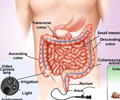
Colorectal Cancer Screening with Colonoscopy
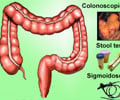
Colonoscopy is a widely used endoscopic procedure to screen individuals for colorectal cancer. It is very sensitive in detecting colorectal cancers.
Colonoscopy is a widely used endoscopic procedure to screen individuals for colorectal cancer. It is very sensitive in detecting colorectal cancers.
Tissue changes: Adenomas harboring the bacterium showed more DNA damage and signs of inflammation, including elevated IL-6, a pro-inflammatory cytokine.

Colonoscopy Procedure - Animation
An animation of Colonoscopy that shows the appearance of large intestine or colon by using a thin and flexible viewing tube called the colonoscope.
An animation of Colonoscopy that shows the appearance of large intestine or colon by using a thin and flexible viewing tube called the colonoscope.
The researchers propose that colibactin, a toxin produced by the bacterium, damages DNA and triggers inflammatory signals that may accelerate tumor progression in the already vulnerable colonic tissue of FAP patients.
Quiz on Colon
Are you suffering from a migraine? It is possible that you have an unhealthy bowel. Strange - but true! This quiz is packed with information on the colon. Participate to learn ...
Are you suffering from a migraine? It is possible that you have an unhealthy bowel. Strange - but true! This quiz is packed with information on the colon. Participate to learn ...
The authors caution that the findings are preliminary and based on a relatively small patient group. Larger, multicenter studies are needed to confirm the results. If validated, the research could pave the way for new approaches, such as:
New Strategies for Colorectal Cancer: From Microbiome to Therapy
Microbiome-targeted prevention (probiotics, bacteriophages, or antibiotics).Risk screening through bacterial detection in stool or mucosal samples.
New therapies targeting colibactin-induced DNA damage and inflammation.
The study provides early but compelling evidence that colibactin-producing E. coli may play a role in colorectal cancer development in patients with familial adenomatous polyposis.
By shining light on the interplay between genes, microbes, and environment, the findings open new avenues for cancer prevention strategies in hereditary syndromes.
Reference:
- Contribution of colibactin-producing Escherichia coli to colonic carcinogenesis - (https://egastroenterology.bmj.com/content/3/2/e100177)
 Email
Email