MEDINDIA
 English
 हिन्दी
 Español
 français
 中文
中文
Dubbed the ‘missed study,’ AI now reveals prostate cancer signs that pathologists once overlooked.
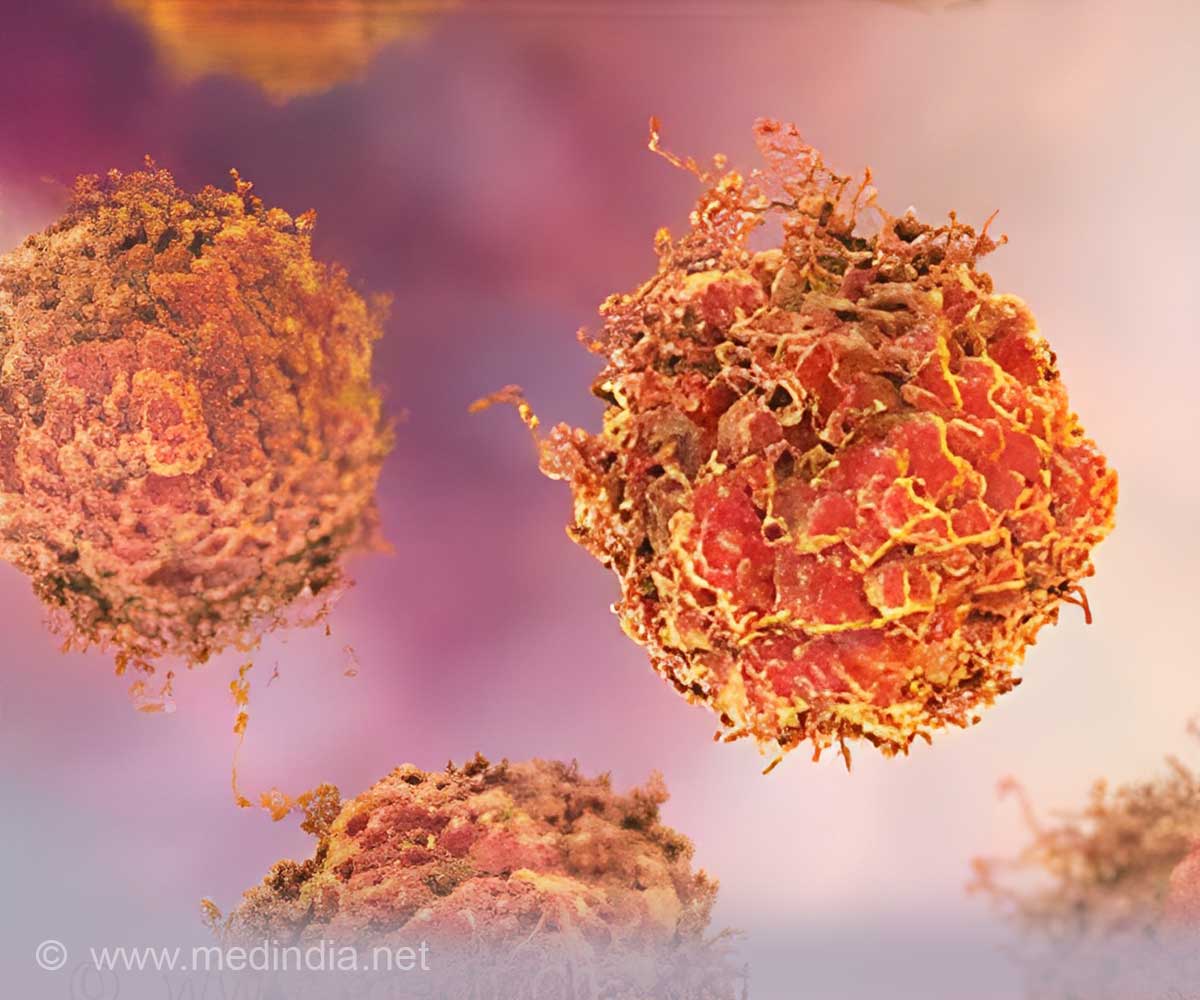
Discovery of tumour indicating morphological changes in benign prostate biopsies through AI
Go to source).
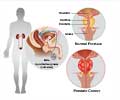
Biochemical Recurrence of Prostate Cancer
Biochemical recurrence (BCR) of prostate cancer is a condition that occurs in men who have previously been cured of prostate cancer. In BCR, prostate-specific antigen (PSA) is elevated above normal.
Biochemical recurrence (BCR) of prostate cancer is a condition that occurs in men who have previously been cured of prostate cancer. In BCR, prostate-specific antigen (PSA) is elevated above normal.
TOP INSIGHT

What if the key to understanding #prostatecancer isn't just in the glands, but the tissue around them? #AI helps find new, informative patterns in the surrounding #prostate_gland tissue that could be a game-changer for diagnostics. #CancerResearch #MensHealth
AI Finds "Missed" Prostate Cancer in Over 80% of Cases
“The study has been nicknamed the ‘missed study’, as the goal of finding the cancer was ‘missed’ by the pathologists. We have now shown that with the help of AI, it is possible to find signs of prostate cancer that were not observed by pathologists in more than 80 percent of samples from men who later developed cancer,” says Carolina Wählby, who led the AI development in the study.The project is based on a collaboration with Umeå University, where the researchers collected samples from men called for sample-taking over a number of years. All 232 men in the study were assessed as healthy when their biopsies were examined by pathologists. After less than two-and-a-half years, half of the men in the study had developed aggressive prostate cancer, while the rest were still cancer-free eight years later.
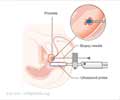
Brachytherapy for Prostate Cancer
Learn about two different types of brachytherapy used for treating prostate cancer. Get information on the latest advances in the field.
Learn about two different types of brachytherapy used for treating prostate cancer. Get information on the latest advances in the field.
AI Detects Subtle Tissue Changes in Prostate Biopsies
“When we looked at the patterns that the AI ranked as informative, we saw changes in the tissue surrounding the glands in the prostate – changes also observed in other studies. This shows that AI analysis of routine biopsies can detect subtle signs indicating clinically significant prostate cancer before it becomes obvious to a pathologist,” says Wählby.
Artificial intelligence in Healthcare
Artificial intelligence (AI) in healthcare is the discipline using data intensive computer based solutions to improve patient care and outcome.
Artificial intelligence (AI) in healthcare is the discipline using data intensive computer based solutions to improve patient care and outcome.
Reference:
- Discovery of tumour indicating morphological changes in benign prostate biopsies through AI - (https://www.nature.com/articles/s41598-025-15105-6)

Test Your Knowledge on Artificial Intelligence
Artificial intelligence (AI) or machine intelligence refers to the intelligence displayed by computers or robots in contrast to the natural intelligence exhibited by humans. It is considered one of the major advancements of the 4th industrial ...
Artificial intelligence (AI) or machine intelligence refers to the intelligence displayed by computers or robots in contrast to the natural intelligence exhibited by humans. It is considered one of the major advancements of the 4th industrial ...
 Email
Email