MEDINDIA
 English
 हिन्दी
 Español
 français
 中文
中文

Spicy foods can do more than wake up your taste buds—they may help you eat less, eat slower, and support a healthier metabolism.
Highlights:
Have you ever experienced excessive sweating while eating spicy foods? Does it ring a bell?
It is normal, and what it does might be fascinating. Researchers have recently discovered that there is a strong link between eating behaviors and spicy foods. Let’s dive deeper into this fiery topic (1✔ ✔Trusted Source- Capsaicin, the compound in chili, makes you eat more slowly and feel fuller
- Spicy meals can increase calorie burn and support fat loss
- Spice encourages mindful eating by stimulating your senses
The heat is on: Consumers modify their oral processing behavior when eating spicy foods
Go to source).

Capsaicin in Hot Chili Peppers Inhibits Growth of Breast Cancer Cells
A spicy molecule found in chili peppers known as capsaicin was found to inhibit the growth of breast cancer cells.
A spicy molecule found in chili peppers known as capsaicin was found to inhibit the growth of breast cancer cells.
TOP INSIGHT

Did You Know?
Spicy food can naturally help curb your appetite and boost metabolism. #capsaicin #chilli #weightloss #spicybenefits #medindia
Heat That Slows Your Eating
We are often taught to eat slowly, as it aids digestion and helps prevent overeating. But what if the food itself encourages you to slow down? Enter: spice!A group of researchers found something fascinating—eating spicy food can help control hunger. As the heat from spicy food intensifies, people tend to adjust their eating pace by chewing more slowly, taking smaller bites, and allowing more time between servings.
This happens because spicy foods ignite your senses, making you more conscious and mindful of every bite. The key player here is capsaicin, the active compound responsible for that fiery kick—it’s what spices up your food and, in turn, slows you down at the table.

Capsaicin, The Magic Ingredient In Chilli Pepper, May Prevent Liver Damage
Chilli pepper partially reduced the activation of hepatic stellate cells, the major cell type involved in liver fibrosis in mice.
Chilli pepper partially reduced the activation of hepatic stellate cells, the major cell type involved in liver fibrosis in mice.
Capsaicin: The Fiery Compound Fueling Mindful Eating and Metabolic Health
The spicier the dish was, the lower the total amount of energy people consumed. The food’s energy content remained the same, yet adding a spice made people eat less of it.Capsaicin from chili seems to increase the sense of fullness after eating and further triggers metabolism. You don't need to be mindful of how you're eating; just look after what you eat, and the spice completes your task.
1. Appetite Suppression:
It has been found that capsaicin helps to increase hormones such as GLP-1 and PYY, which make a person feel full. This may help you eat less and better control your weight.
2. Enhanced Thermogenesis:
Eating capsaicin motivates the body to work harder, leading to more production of heat. It means your metabolism rises during rest, allowing your body to burn more calories and lose weight.
3. Fat Oxidation:
Capsaicin may enhance the breakdown of fats into energy. Burning fat through exercising helps you to store less fat and stay healthy overall.
4. Modification of gut bacteria populations:
Studies show that capsaicin may support a healthy balance of gut microbes, which could benefit how metabolism functions and control inflammation.
5. Anti-Inflammatory Properties:
Low-grade inflammation can contribute to weight gain as well as disorders of metabolism.
Therefore, including capsaicin in your meals, either with chili peppers or supplements, may help you manage your weight and promote healthy metabolism. Yet, one should make sure not to consume too much and to talk to healthcare professionals, particularly if you have gastrointestinal problems.

Spicing Up Pregnancy: Role of Chili in Lowering Gestational Diabetes Risk
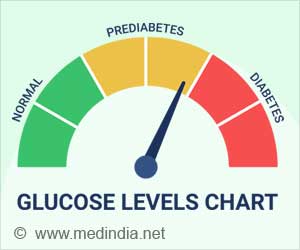
Capsaicin in chili peppers may aid in managing gestational diabetes by improving insulin sensitivity and reducing inflammation, supporting better glucose control.
Capsaicin in chili peppers may aid in managing gestational diabetes by improving insulin sensitivity and reducing inflammation, supporting better glucose control.
Spice as a Mindful Eating Ally—Not a Punishment
Spices have always played a significant role in traditional cuisine in many nations, including Mexican salsas, Thai chilies, and Indian curries. Over the years, people have used spices to prolong the life of food, improve its flavor, and check their hunger and digestion.
Reference:
- The heat is on: Consumers modify their oral processing behavior when eating spicy foods - (https://pmc.ncbi.nlm.nih.gov/articles/PMC10569983/)
Source-Medindia

Capsaicin in Chilli Peppers Increases Metabolism, Body Temperature
Thermogenesis, the process by which cells convert energy into heat, can be directly induced by chilli peppers says a new study published in the Journal of Biological Chemistry.
Thermogenesis, the process by which cells convert energy into heat, can be directly induced by chilli peppers says a new study published in the Journal of Biological Chemistry.
 Email
Email