MEDINDIA
 English
 हिन्दी
 Español
 français
 中文
中文
Levels of the neuroprotein sortilin are found to be higher in pancreatic cancer cells than in normal pancreatic cells. Targeting sortilin production by suppressing gene expression will reduce pancreatic cancer cell invasion.
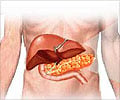
Pancreatic Cancer - All About the Disease, its Diagnosis and Management
Pancreatic cancer often involves its exocrine part. It grows aggressively, and often detected late. Treatment options include surgery, radiation and chemotherapy.
Pancreatic cancer often involves its exocrine part. It grows aggressively, and often detected late. Treatment options include surgery, radiation and chemotherapy.
TOP INSIGHT

Inhibiting sortilin with specific drugs or immunotherapy leads to a strong decrease in pancreatic cancer cell invasiveness. Therefore, specifically targeting sortilin is likely to complement and improve the efficacy of existing treatments for pancreatic cancer.
Read More..
The neuronal membrane protein sortilin is emerging as a key player in the regulation of neuronal viability and function, and there are increasing indications that it is involved in the deregulation of cancer cell viability. Sortilin is overexpressed in breast, lung, and thyroid cancer; it can promote cancer cell invasion in glioblastoma; and it participates in cancer cell adhesion and metastasis in colorectal cancer. However, its expression and impact in pancreatic cancer was not previously known.
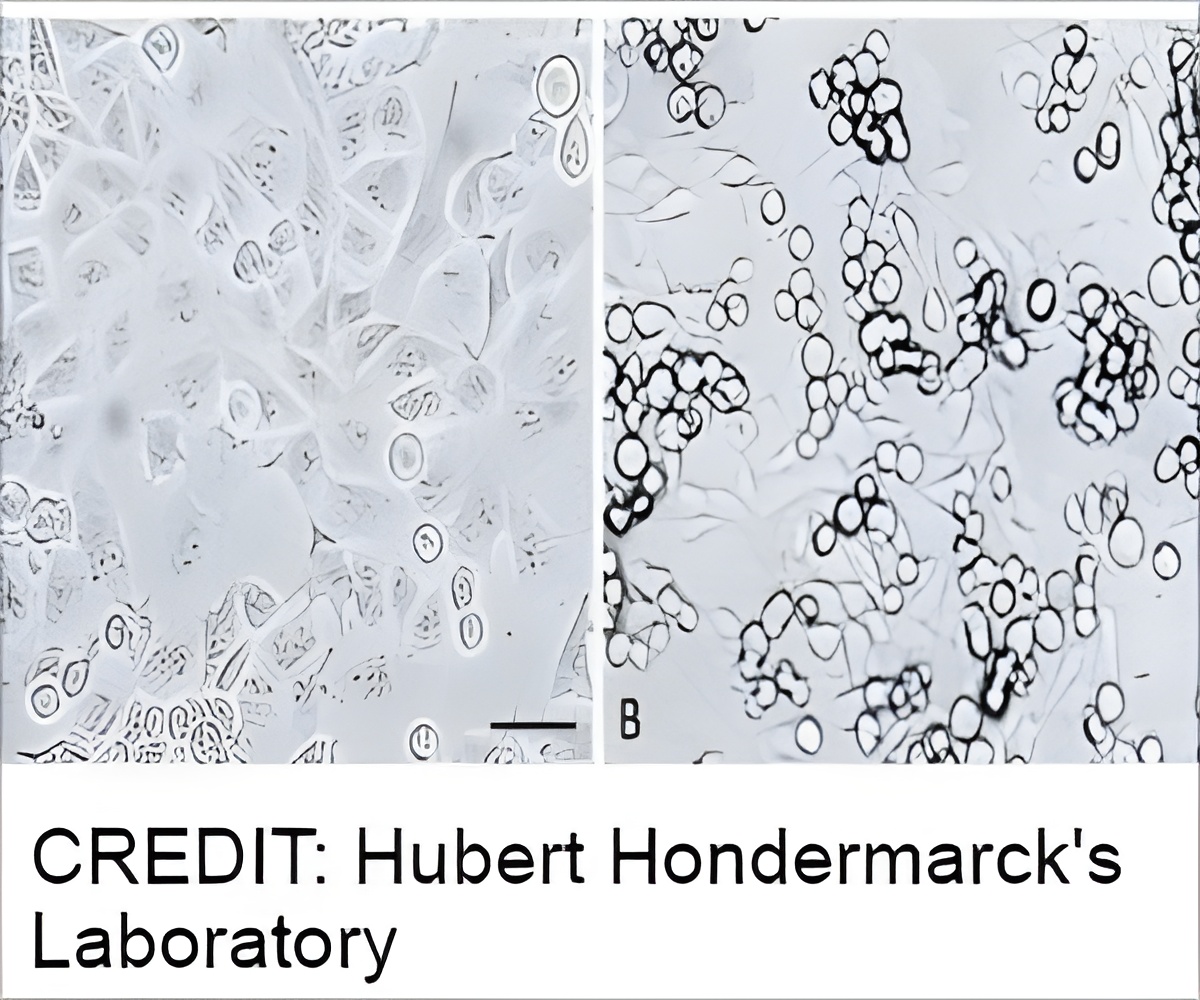
In this study, investigators examined several pancreatic cancer cell lines alongside pancreatic ductal epithelial cells and established that sortilin expression was higher in the cancer cells, as demonstrated by Western blot and mass spectrometry. The increased sortilin level in pancreatic cancer cells was confirmed by immunohistochemistry in a series of 99 human pancreatic adenocarcinomas compared to 48 normal pancreatic tissues.

Radiosurgery | Stereotactic Ablative Radiotherapy (SABR) | Stereotactic Radiosurgery (SRS)
Radiosurgery, also called Stereotactic Radiosurgery (SRS), is a procedure that uses a beam of radiation to treat cancer of the brain, spinal cord and other parts of the body using a Gamma Knife® or CyberKnife®. Radiosurgery can be carried out by a linear accelerator (LINAC), which uses CyberKnife® or TrueBeam® radiotherapy systems. Other radiotherapy technologies include Gamma Knife® and Proton therapy.
Radiosurgery, also called Stereotactic Radiosurgery (SRS), is a procedure that uses a beam of radiation to treat cancer of the brain, spinal cord and other parts of the body using a Gamma Knife® or CyberKnife®. Radiosurgery can be carried out by a linear accelerator (LINAC), which uses CyberKnife® or TrueBeam® radiotherapy systems. Other radiotherapy technologies include Gamma Knife® and Proton therapy.
The main issue with pancreatic cancer is the local invasiveness of the tumor that leads to the destruction of the pancreas, rapidly causing death. This study showed that inhibiting sortilin with specific drugs or immunotherapy leads to a strong decrease in pancreatic cancer cell invasiveness.
Pancreas Transplantation - Procedure, Evaluation, Preparation, Surgery, After care
Pancreas transplant is a surgical procedure involving the replacement of a dysfunctional pancreas in a person with Type 1 or insulin-dependent diabetes.
Pancreas transplant is a surgical procedure involving the replacement of a dysfunctional pancreas in a person with Type 1 or insulin-dependent diabetes.
"Together, these data reveal that sortilin contributes to pancreatic cancer invasion and is a potential therapeutic target," commented Dr. Hondermarck. "This discovery may lead to the development of more efficient treatment against the disease."
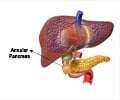
Annular Pancreas | Duodenal Birth Defect - Causes, Symptoms, Diagnosis, Treatment, Complications and Prevention
Gastrointestinal surgery, Gastroenterology, Medical Genetics
Gastrointestinal surgery, Gastroenterology, Medical Genetics
Current therapeutic approaches include surgery, radiotherapy, and chemotherapy. Surgery is the most common treatment for early-stage pancreatic cancer, but it can be performed in less than twenty percent of patients. The main drug currently used to treat pancreatic cancer, gemcitabine, has only a limited therapeutic effect.
Source-Eurekalert
 Email
Email