MEDINDIA
 English
 हिन्दी
 Español
 français
 中文
中文
Glial cell in the central nervous system has been successfully reprogrammed into new neurons to facilitate the recovery after spinal cord injury.
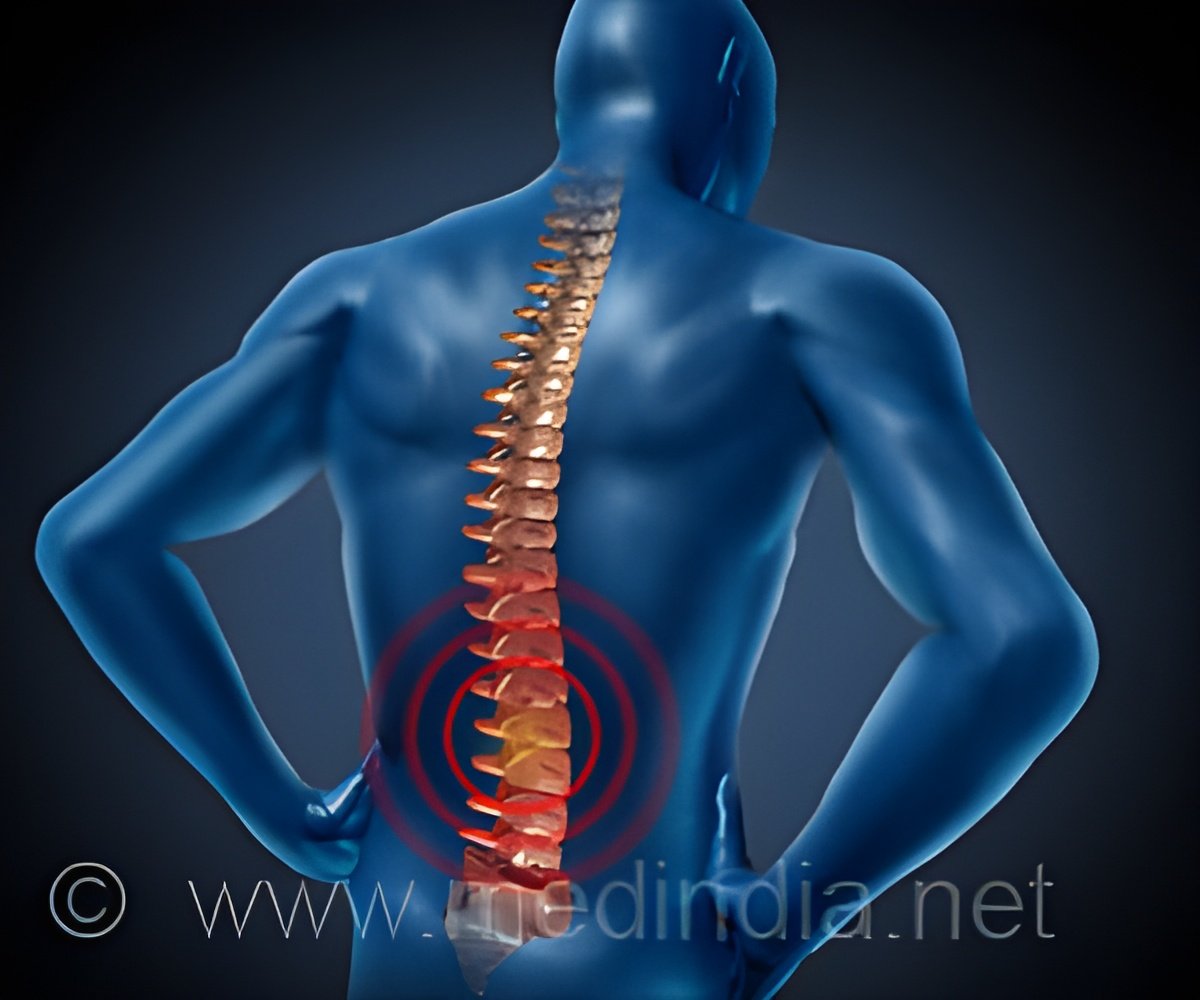
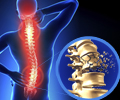
Spinal Cord Injury - Causes, Symptoms, Diagnosis, Treatment & Prevention
Spinal cord injury is an injury to the spinal cord that results in temporary or permanent changes in its function.
Spinal cord injury is an injury to the spinal cord that results in temporary or permanent changes in its function.
TOP INSIGHT

Glial cell in the central nervous system has been successfully reprogrammed into new neurons to facilitate the recovery after spinal cord injury thereby revealing an untapped potential to leverage the cell for regenerative medicine. This serves as an important target in the future for potential treatments of spinal cord injury.
The regeneration capacity of the neurons in the spinal cord is said to be lost after injury, which usually results in permanent physical and neurological ailments.
Glial Cells Reprogrammed to Neurons
Paralysis - Types, Causes, Symptoms, Diagnosis, Treatment and Prevention
Paralysis is a condition where there is a loss of muscle function as well as sensory loss, which can occur due to damage to the brain or spinal cord. Paralysis treatment involves supportive care and rehabilitation.
Paralysis is a condition where there is a loss of muscle function as well as sensory loss, which can occur due to damage to the brain or spinal cord. Paralysis treatment involves supportive care and rehabilitation.
"Only NG2 glial cells were found to exhibit neurogenic potential in the spinal cord following injury in adult mice, but they failed to generate mature neurons. Interestingly, by elevating the critical transcription factor SOX2, the glia-to-neuron conversion is successfully achieved and accompanied with a reduced glial scar formation and increased functional recovery following spinal cord injury", says Wei Wu, Ph.D., a research associate in neurological surgery at IU School of Medicine and co-first author of the paper.
Hemiplegia - Causes, Symptoms, Diagnosis, Treatment and Prevention
Hemiplegia is a condition that is characterized by paralysis of one half of the body, usually due to a brain lesion on the opposite side. It may be congenital (cerebral palsy) or acquired later in life due to illness.
Hemiplegia is a condition that is characterized by paralysis of one half of the body, usually due to a brain lesion on the opposite side. It may be congenital (cerebral palsy) or acquired later in life due to illness.
The study thus highlights the scope of neuronal remodeling and functional recovery after the successful conversion of glial cells into functional neurons. This serves as an important target in the future for potential treatments of spinal cord injury.
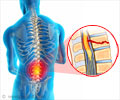
Spinal Injury - Symptom Evaluation
Spinal Injury refers to damage to spinal cord that runs below the brain through the back. Injury to spinal cord is a severe injury as the damage is irreversible and it can be life-threatening.
Spinal Injury refers to damage to spinal cord that runs below the brain through the back. Injury to spinal cord is a severe injury as the damage is irreversible and it can be life-threatening.
 Email
Email