MEDINDIA
 English
 हिन्दी
 Español
 français
 中文
中文
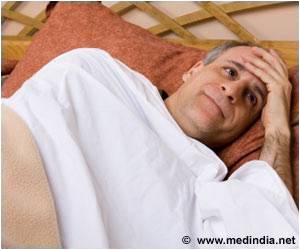
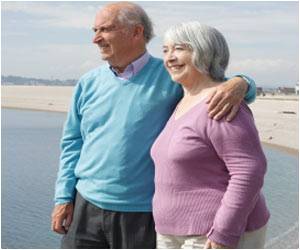
The use of continuous positive airway pressure (CPAP) in elderly patients who suffer from obstructive sleep apnea appears to decrease the risk cardiovascular deaths, reveals research.
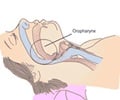
Obstructive Sleep Apnea - Overview
Obstructive sleep apnea should be suspected in overweight middle aged adults who snore loudly and which can cause interruption of breathing for 10 seconds or more and this results in reduced blood o
Obstructive sleep apnea should be suspected in overweight middle aged adults who snore loudly and which can cause interruption of breathing for 10 seconds or more and this results in reduced blood o
"CPAP has been shown to be a very effective treatment for severe and symptomatic forms of sleep apnea," he said. "However, virtually all studies on the effectiveness of CPAP to date have been conducted in middle-aged individuals, despite the fact that a growing percentage of the patients we see in our sleep units are elderly and are treated with CPAP.
"This is a very important issue considering the gradual increase in longevity worldwide," he added.

Quiz on Healthy Heart
Heart disease is a major killer worldwide in spite of major strides in the medical field in terms of research, diagnosis, treatment and pharmacology. HIV/AIDS and Alzheimer’s disease are vying for popular attention these days and people tend to sideline or neglect healthy heart awareness. Take our quiz and refresh your awareness on heart disease.
Heart disease is a major killer worldwide in spite of major strides in the medical field in terms of research, diagnosis, treatment and pharmacology. HIV/AIDS and Alzheimer’s disease are vying for popular attention these days and people tend to sideline or neglect healthy heart awareness. Take our quiz and refresh your awareness on heart disease.
For their study, Dr. MartÃnez-GarcÃa and colleagues enrolled 939 elderly patients referred with suspected sleep apnea between 1999 and 2007, and followed these patients through 2009. Patients were divided into four groups: a control group without OSA; mild to moderate OSA patients without CPAP treatment; patients with severe OSA without CPAP treatment; and patients with any degree of OSA who received CPAP treatment. Complete health histories, including cardiovascular and respiratory data, were obtained from all patients at enrolment and mortality causes were obtained from death certificates. Fatal cardiovascular events included sudden death, stroke, heart failure (HF), cardiac arrhythmias and ischemic heart disease (IHD). Median follow-up time was 69 months.

Sleeping Disorders
How many times have you stayed awake in the dead of the night counting sheep? If it is fairly often then you could be suffering from a sleep disorder!
How many times have you stayed awake in the dead of the night counting sheep? If it is fairly often then you could be suffering from a sleep disorder!
Dr. MartÃnez-GarcÃa said the results were not entirely unexpected, since anecdotal evidence and several smaller studies have indicated CPAP offers improved outcomes in certain patients, notably patients at risk for stroke.

Animation of heart attack symptoms
Heart attack can cause symptoms such as Chest pain or discomfort, Shortness of breath and pain in neck, back, arm, or shoulder and is due to blockage of blood supply to the heart muscles
Heart attack can cause symptoms such as Chest pain or discomfort, Shortness of breath and pain in neck, back, arm, or shoulder and is due to blockage of blood supply to the heart muscles
"The next step is to assess the effect of CPAP treatment in elderly OSA patients in large, randomized clinical trials," he added. "These studies should explore not only cardiovascular outcomes, but other outcomes such as neurocognitive dysfunction."
Source-Newswise
 Email
Email