MEDINDIA
 English
 हिन्दी
 Español
 français
 中文
中文
A new research has found that a simple quiz may help to determine the death risk of dialysis patients.

Dialysis - Hemodialysis, Peritoneal Dialysis and Role of Diet and Drugs
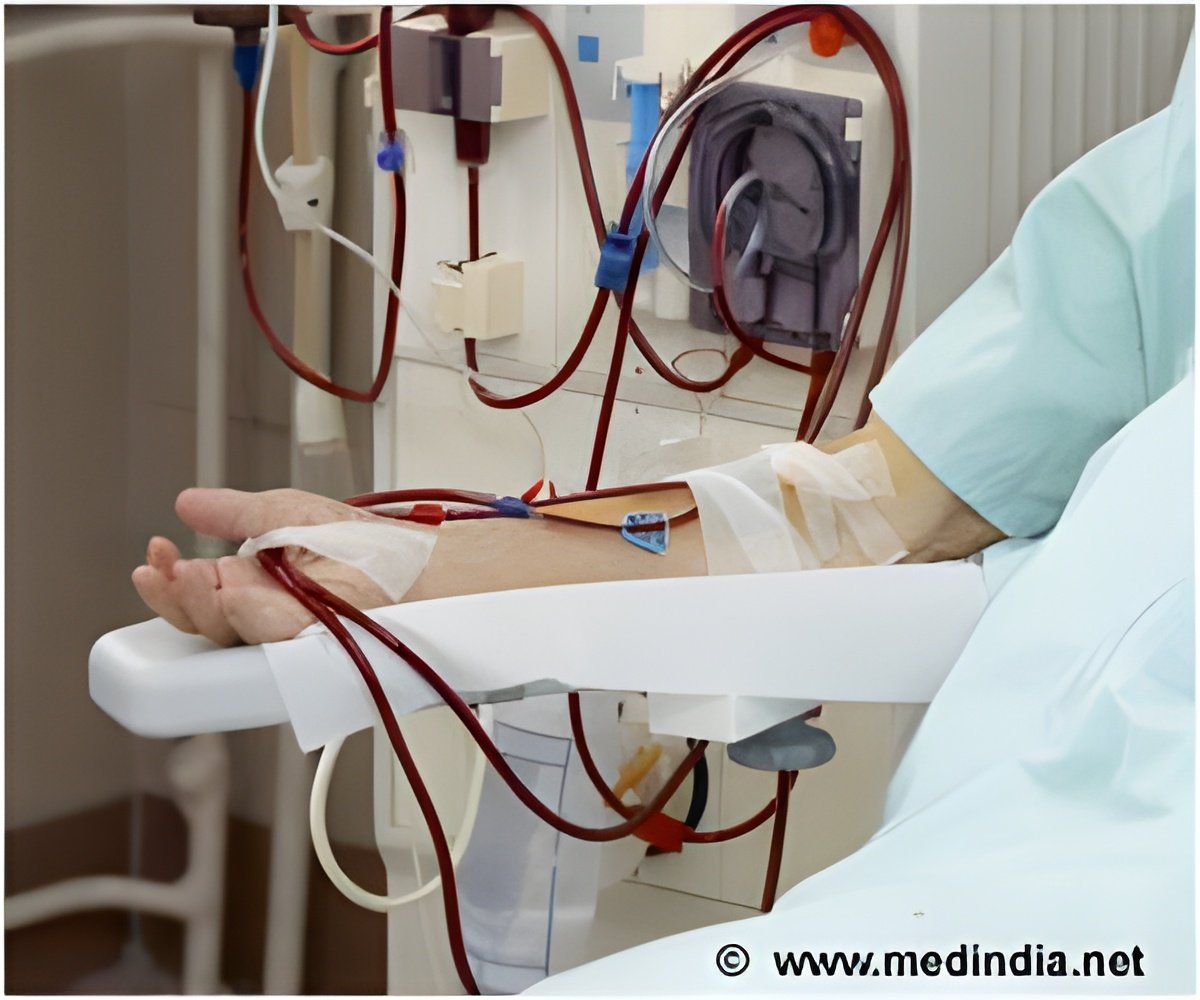
Dialysis is an artificial process for removing excess water and waste from the blood. Hemodialysis and peritoneal dialysis are the types of dialysis.
Dialysis is an artificial process for removing excess water and waste from the blood. Hemodialysis and peritoneal dialysis are the types of dialysis.
Needing assistance with basic activities of daily living has been well documented in the geriatrics field as a predictor of adverse outcomes, says Segev, Johns Hopkins' director of clinical research in transplant surgery.
"The thing that puts older patients at risk for adverse outcomes is a decrease in physiological reserve," he says. "Organ systems start to deteriorate and when they don't function as well as they used to, they can't handle stressors as well as they used to. There's growing evidence that dialysis and kidney failure not only represent deterioration of kidney function but also cause deterioration of function in other organ systems."
Acute Renal (Kidney) Failure- Causes, Symptoms, Diagnosis, Treatment and Complications
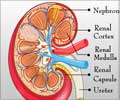
Acute renal failure is the sudden cessation of the functioning of kidneys, that can be due to reduced renal blood flow, damage to renal tissues.
Acute renal failure is the sudden cessation of the functioning of kidneys, that can be due to reduced renal blood flow, damage to renal tissues.
Segev and his team followed 143 patients undergoing dialysis, all recruited from a dialysis center in Baltimore between January, 2009 and March, 2010. They were followed until November 15, 2011. There were 33 deaths during the study period, and the risk of death did not vary with age.
The prevalence of disability in the activities of daily living of kidney failure patients of all ages - 41 percent in this study - is strikingly higher than in older adults in the community at-large (5 to 8.1 percent of non-institutionalized adults over age 65).

Quiz on Kidney
The kidneys are two bean-shaped organs, each about the size of a fist, and are located just below the rib cage, one on each side of your spine.
Healthy kidneys filter about half a cup of blood every minute, removing wastes and extra water to make urine. The urine flows from the kidneys to the bladder through two thin tubes of muscle called ureters, one on each side of your bladder. The bladder stores urine. The kidneys, ureters, and bladder are partof the urinary tract.
kidneys remove wastes and extra fluid from your body. Kidneys also remove acid that is produced by the cells of your body and maintain a healthy balance of water, salts, and minerals-such as sodium, calcium, phosphorus and potassium-in your blood ().
Without this balance, nerves, muscles, and other tissues in the body may not work normally.
Kidneys also make hormones that help
The kidneys are two bean-shaped organs, each about the size of a fist, and are located just below the rib cage, one on each side of your spine.
Healthy kidneys filter about half a cup of blood every minute, removing wastes and extra water to make urine. The urine flows from the kidneys to the bladder through two thin tubes of muscle called ureters, one on each side of your bladder. The bladder stores urine. The kidneys, ureters, and bladder are partof the urinary tract.
Without this balance, nerves, muscles, and other tissues in the body may not work normally.
Kidneys also make hormones that help
- Control your blood pressure
- Make red blood cells
- Keep your bones strong and healthy
Source-Newswise

Pyeloplasty of Kidney
Animation showing Pyeloplasty surgical operation to relieve obstruction of the pelvi-ureteric junction of the kidney.
Animation showing Pyeloplasty surgical operation to relieve obstruction of the pelvi-ureteric junction of the kidney.
 Email
Email