MEDINDIA
 English
 हिन्दी
 Español
 français
 中文
中文
If an infection is contracted by a patient while in hospital, each day of hospitalization increases the likelihood that the infection will be multidrug-resistant by 1%, revealed a research.

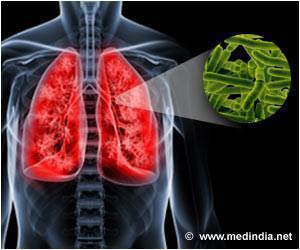
Prevention Treatment Beneficial for Children Exposed to Multidrug Resistant Tuberculosis Bacterium
Researchers find the preventive treatment beneficial in protecting the children, who are in close contact with multidrug resistant tuberculosis affected patients, from acquiring the disease.
Researchers find the preventive treatment beneficial in protecting the children, who are in close contact with multidrug resistant tuberculosis affected patients, from acquiring the disease.
"Our findings emphasize one of the risks of being in the hospital, acquiring a multidrug-resistant infection" said John Bosso, an author of the paper. "At the very least, this observation argues against both unnecessary hospitalization and unnecessarily long hospitalization."
The data revealed several other surprising findings. The chances that a patient would become infected with a multidrug-resistant pathogen varied from one organism to another. This could have implications for clinicians and others hoping to reduce dangerous hospital-acquired infections, says Bosso.

Fungus may Now Help Tackle Drug Resistant Germs
A fungus from the soils of Nova Scotia could actually help scientists in the battle against drug resistant germs that kill thousands of people every year and are posing a global threat
A fungus from the soils of Nova Scotia could actually help scientists in the battle against drug resistant germs that kill thousands of people every year and are posing a global threat

Giant Panda Blood May Be the Source of Powerful Antibiotics
Giant panda blood contains a peptide that can fight drug resistant bacteria and fungi, according to a Chinese study.
Giant panda blood contains a peptide that can fight drug resistant bacteria and fungi, according to a Chinese study.

Tackling Multi-Drug Resistant and Extensively Drug-Resistant TB With a New Consensus
Efforts are being made to tackle the growing threat of multi-drug resistant tuberculosis and extensively drug-resistant tuberculosis by newly developed consensus statements.
Efforts are being made to tackle the growing threat of multi-drug resistant tuberculosis and extensively drug-resistant tuberculosis by newly developed consensus statements.
 Email
Email