MEDINDIA
 English
 हिन्दी
 Español
 français
 中文
中文
Food insecurity increases the risk of becoming infected with HIV and food insecure people with HIV are less able to take anti-HIV therapies or visit clinics.
President Pranab Mukherjee: 'Farmer is the Solider of Food Security'
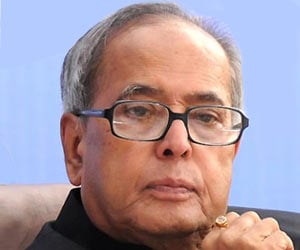
President Pranab Mukherjee said farmer is the solider of food security of our country, the government attaches great importance to the well-being of the farming community across country.
President Pranab Mukherjee said farmer is the solider of food security of our country, the government attaches great importance to the well-being of the farming community across country.
Together, those issues make treating and preventing HIV more difficult, leading to sicker patients and more deaths.
In turn, once someone is infected with HIV, food insecurity gets worse due to loss of economic activity and productivity, loss of social support due to HIV stigma and the costs of medical care.

Manish Tewari Expresses Confidence Over Passage of Food Security Bill
India’s Information and Broadcasting Minister Manish Tewari has reiterated that people will be able to access rice, wheat and other food grains at cheap prices.
India’s Information and Broadcasting Minister Manish Tewari has reiterated that people will be able to access rice, wheat and other food grains at cheap prices.
Participants were HIV positive individuals between 18 and 49 years old on anti-HIV therapy and all had access to surface water for irrigation and land.

Manmohan Singh: 'Food Security Is a Key Challenge for the World'
Prime Minister Dr.Manmohan Singh said there is a need to build a movement to conserve traditional varieties of crops.
Prime Minister Dr.Manmohan Singh said there is a need to build a movement to conserve traditional varieties of crops.
At the same time, they had strengthened immunity and their rate of viral suppression increased by about one half.

GM Crops: A Solution To Food Security
A judicious blend of traditional farming and new technologies like GM crops can ensure food and nutrition security, says the Scientific Advisory Council (SAC) to the prime minister.
A judicious blend of traditional farming and new technologies like GM crops can ensure food and nutrition security, says the Scientific Advisory Council (SAC) to the prime minister.
"HIV/AIDS and food insecurity are intertwined in a vicious cycle, with each increasing vulnerability to and exacerbating the severity of the other," Weiser explained.
The results of the trial appeared online in the journal AIDS.
Source-IANS
 Email
Email