MEDINDIA
 English
 हिन्दी
 Español
 français
 中文
中文
Mouth microbes aid digestion and nutrient absorption, but also travel through the body, impacting overall health.
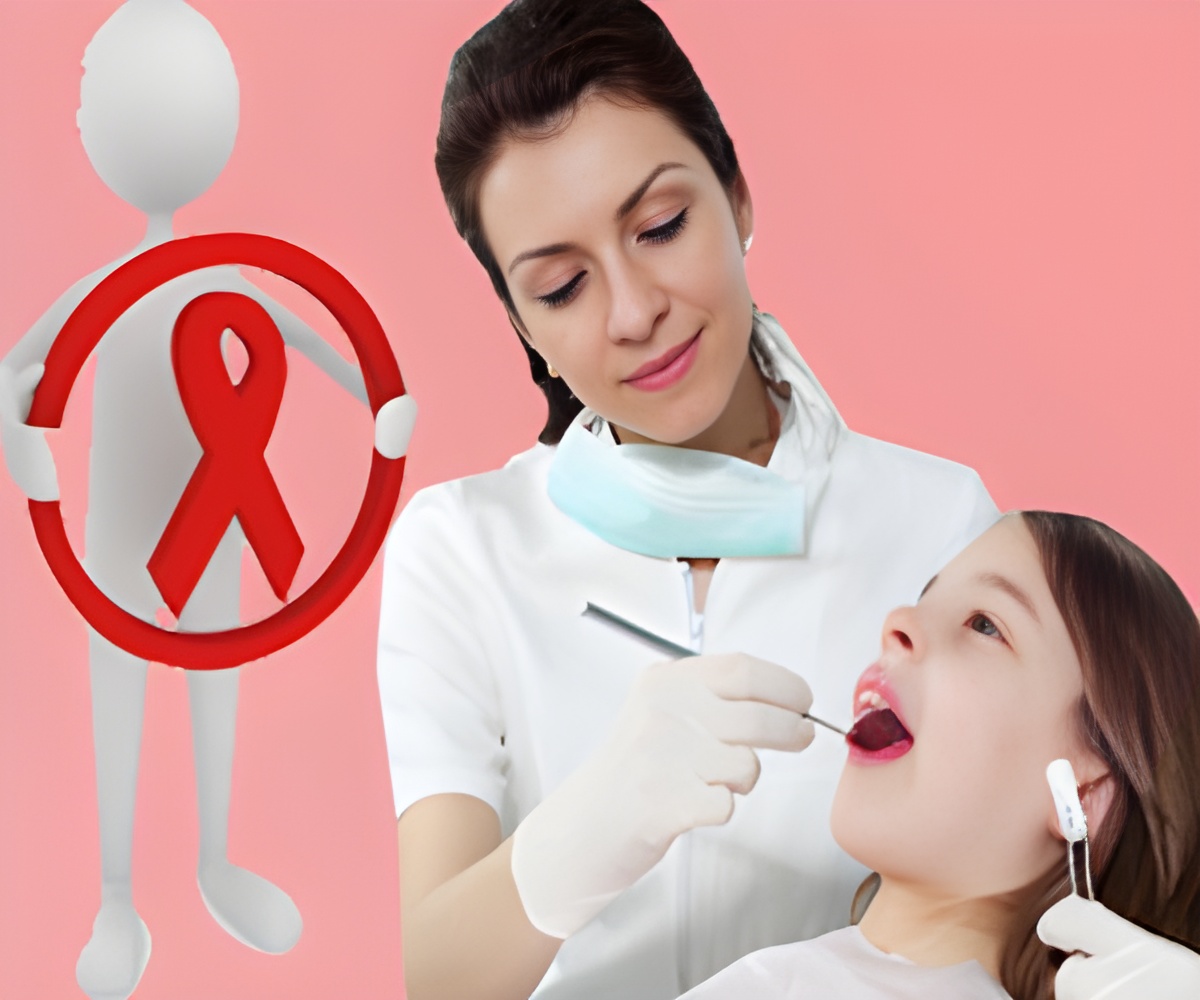
HIV infection and exposure is associated with increased cariogenic taxa, reduced taxonomic turnover, and homogenized spatial differentiation for the supragingival microbiome
Go to source). Researchers from Penn Dental Medicine, led by Modupe O. Coker, are working to change that. A collaborative study, recently published in Microbiome, explores how early immune challenges, such as HIV exposure and infection, influence the oral microbiome in children and, in turn, affect systemic health.
“Mouth microbes are central to health—they are the first to encounter food, supporting digestion and nutrient absorption,” says Coker, assistant dean of clinical and translational research and co-senior author of the study. “But bacteria in the mouth don’t stay in the mouth—they interact with the rest of the body, influencing systemic health, and systemic health influences them in return.”
The study involved children in Nigeria divided into three groups:
- Children living with HIV and receiving highly active antiretroviral therapy (HAART)
- Children perinatally exposed to HIV but uninfected
- Children with no HIV exposure or infection
“This population is near and dear to us,” says Coker. “Studying them gives us a unique lens into how early-life immune system challenges shape oral health and broader developmental outcomes, such as growth and cognitive function.”
Oral Health And AIDS
AIDS has taken on massive proportions in modern times. It is estimated that over 15 million people are suffering from the disease and many more are harboring the dreaded Human Immunodeficiency Virus (HIV).
AIDS has taken on massive proportions in modern times. It is estimated that over 15 million people are suffering from the disease and many more are harboring the dreaded Human Immunodeficiency Virus (HIV).
TOP INSIGHT

Your #oralhealth is a two-way street with your overall health! New research highlights a cyclical relationship where #oralmicrobes can affect your body's health, and vice-versa. This opens up new doors for using oral health to understand, prevent, and treat diseases. #HIV
Surprising Findings on Microbial Stability
The researchers examined “taxonomic turnover”—a measure of how much a microbial community changes over time. In the gut, stability is considered healthy; in the mouth, however, the opposite appears to be true.“All children face constant changes in their oral environment—food, hormones, mixed dentition—so adaptability is important,” explains first author Allison E. Mann, assistant professor of biological anthropology at the University of Wyoming. “We found that children unexposed to HIV had more fluctuation over time, indicating adaptability. Children exposed to HIV—whether infected or not—had lower turnover, suggesting impaired flexibility.”
Lower turnover was also linked to higher levels of cavity-causing bacteria, potentially increasing the risk of dental caries in HIV-affected populations.

Quiz on HIV / AIDS
Statistics tell us that the world HIV+ population has risen drastically from 8 million in 1990 to a whopping 33 million in 2007! Even more alarming is the fact that young people (below the age of 25) account for half of these infections! This is ...
Statistics tell us that the world HIV+ population has risen drastically from 8 million in 1990 to a whopping 33 million in 2007! Even more alarming is the fact that young people (below the age of 25) account for half of these infections! This is ...
Disrupted Microbial Geography
The team also mapped the spatial distribution of oral microbes. Normally, distinct bacterial communities live in the front (anterior) and back (posterior) regions of the mouth. Among HIV-exposed and infected children, these differences were diminished, resulting in more homogeneous communities.“This suggests the virus and possibly the treatment may be affecting salivary glands differently across the mouth,” says Vincent P. Richards, co-senior author and associate professor of biological sciences at Clemson University. Reduced salivary flow and increased acidity in HIV-positive children could be key factors in this shift.
Test Your Knowledge on Sugar Intake and Oral Health
Introduction: Sugar is one kind of carbohydrate. Sugars, like other carbs, provide your body with energy. Sugars are either added to foods and beverages or naturally occur in some foods. Lactose in milk, fructose in fruit and ...
Introduction: Sugar is one kind of carbohydrate. Sugars, like other carbs, provide your body with energy. Sugars are either added to foods and beverages or naturally occur in some foods. Lactose in milk, fructose in fruit and ...
A Two-Way Street Between Oral and Systemic Health
The findings highlight the cyclical relationship between oral and systemic health. Early-life disruptions to the immune system—such as HIV exposure—can alter the oral microbiome, which in turn can affect systemic health outcomes.“We’re only beginning to understand how these interactions work,” Coker says. “This research opens the door to new prevention and treatment strategies that take both oral and systemic health into account.”
The study underscores the importance of oral health in public health strategies for children facing early immune challenges. By better understanding the oral microbiome’s adaptability—or lack thereof—scientists may one day be able to intervene early, improving both oral and overall health outcomes.
Reference:
- HIV infection and exposure is associated with increased cariogenic taxa, reduced taxonomic turnover, and homogenized spatial differentiation for the supragingival microbiome - (https://microbiomejournal.biomedcentral.com/articles/10.1186/s40168-025-02123-9)
Source-Medindia
 Email
Email