MEDINDIA
 English
 हिन्दी
 Español
 français
 中文
中文
Addressing hidden health gaps with smarter care, financial support, and prevention tools for those who need it most.


Mothers be Alert! Risk of HIV Transfer Through Breast Milk
The presence of Human Immuno-deficiency Virus (HIV) in the breast milk of women living viral suppression indicates transmission from mother to infant is possible.
The presence of Human Immuno-deficiency Virus (HIV) in the breast milk of women living viral suppression indicates transmission from mother to infant is possible.
TOP INSIGHT

Did You Know?
Only 14.3% of cancer survivors with alcoholism receive treatment—research urges timely action to close the care gap.
#medindia #hivawareness #cancersupport #maternalhealth #publichealth
Heart Strong: Statins Bring Life-Saving Hope to People with HIV
People living with HIV often face a hidden risk—heart disease. But now, science brings relief. In a large study called REPRIEVE, those who took a daily pitavastatin had 35% fewer serious heart problems than those who didn’t. These included strokes, heart attacks, and even sudden deaths. The medicine worked quietly but powerfully over 5 years, all while patients stayed on their HIV treatment. This means statins aren’t just for high-risk patients anymore—they’re for anyone with HIV aged 40–75 who wants to protect their heart(1✔ ✔Trusted SourcePitavastatin to Prevent Cardiovascular Disease in HIV Infection
Go to source).

Alcohol Consumption Increases the Risk of Cancer
A harmful chemical produced when the body processes alcohol can break and damage DNA in blood stem cells increasing risks for cancer.
A harmful chemical produced when the body processes alcohol can break and damage DNA in blood stem cells increasing risks for cancer.
A Quiet Danger: Alcohol Use Creeping Back in Cancer Survivors
At first, cancer survivors often cut back on alcohol, especially after tough treatments. But sadly, studies show this is temporary. Within two years, alcohol use rises again—sometimes even higher than before diagnosis. For those who survived head and neck cancer, drinking can mean a return of the disease. And women and younger survivors are drinking more than expected. Doctors and families must recognize this quiet return and act early with support and treatment plans(2✔ ✔Trusted SourcePatterns of alcohol use among early head and neck cancer survivors: A cross-sectional survey study using the alcohol use disorders identification test (AUDIT)
Go to source).

Maternal Anti-HIV Antibodies May Enhance Transmission
Strong maternal antibodies for HIV could be ineffective for protecting infants from HIV. Maternal Anti-HIV Antibodies Associate with Enhanced Transmission.
Strong maternal antibodies for HIV could be ineffective for protecting infants from HIV. Maternal Anti-HIV Antibodies Associate with Enhanced Transmission.
Lost in the System: Why Cancer Survivors Rarely Get Help for Alcohol Use Disorder
Only 14% of cancer survivors diagnosed with alcohol use disorder (AUD) actually start any treatment within a year. Even fewer get proper medicine for it. Why? Blame it on lack of awareness, stigma, and gaps in the healthcare system. This leaves patients without the support they deserve. Survivors face more than just cancer—they fight emotional, social, and substance battles too. We must do better to connect them to care.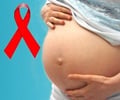
AIDS and Pregnancy - Treatment - Caring HIV Babies
The Acquired immune deficiency syndrome is brought about by the deadly human immunodeficiency virus. In the USA alone an estimate of 120,000 - 160,000 women are HIV- infected.
The Acquired immune deficiency syndrome is brought about by the deadly human immunodeficiency virus. In the USA alone an estimate of 120,000 - 160,000 women are HIV- infected.
Cash that Cares: How Unconditional Money Helped New HIV-Positive Mothers Thrive
What happens when struggling new mothers with HIV are given no-strings-attached money and a little guidance? A lot. In Kenya, women who got monthly unconditional cash transfers (UCTs) along with infant feeding advice felt less stressed, better fed, and more confident. The $75 a month may not sound like much, but it meant full meals, baby care, and peace of mind. These small acts of support helped moms through a very tough period—and gave them real power over their own health and their babies’ futures(3✔ ✔Trusted Source"It has changed my life": unconditional cash transfers and personalized infant feeding support- a feasibility intervention trial among women living with HIV in western Kenya
Go to source).
Breastfeeding Boost: The Surprising Power of Direct Cash
Breastfeeding can be a struggle, especially for moms under pressure. But a review of U.S. studies found that when new moms received direct cash (not vouchers or food), they were more likely to breastfeed longer. The reason? With cash, they could adjust work schedules, buy baby supplies, and spend more time at home. Interestingly, this support didn’t improve mood or reduce depression—but it did give moms more freedom and time, which can go a long way in parenting success.Closing the Gap: Why We Need More Research for Mothers in Need
While cash transfers showed promise for Breastfeeding, most other effects remain unclear. That’s because we don’t have enough studies focused on low-income postpartum women. Questions about mental health, childcare, reproductive decisions, and substance use still hang in the air. Experts now call for stronger partnerships between doctors, social scientists, and community voices to shape policies that actually work. If we want to build better futures for mothers and children, we must invest in answers.Turning Evidence into Empowerment
This isn’t just about numbers or studies—it’s about real people and real progress. Whether it's protecting the hearts of those living with HIV, breaking the silence around alcohol use after cancer, or giving new mothers a financial lifeline to care for their children, these breakthroughs are a reminder that health care must be human-centered. The research is clear—when we invest in prevention, support, and compassion, we save lives and build healthier communities. Now, the challenge lies in translating this evidence into everyday practice. The time to act is now—because behind every statistic is a story waiting for a better ending.References:
- Pitavastatin to Prevent Cardiovascular Disease in HIV Infection - (https://pubmed.ncbi.nlm.nih.gov/37486775/)
- Patterns of alcohol use among early head and neck cancer survivors: A cross-sectional survey study using the alcohol use disorders identification test (AUDIT) - (https://pmc.ncbi.nlm.nih.gov/articles/PMC10398834/?utm_source)
- "It has changed my life": unconditional cash transfers and personalized infant feeding support- a feasibility intervention trial among women living with HIV in western Kenya - (https://pubmed.ncbi.nlm.nih.gov/38012644/ )
Source-American College of Physicians
 Email
Email