MEDINDIA
 English
 हिन्दी
 Español
 français
 中文
中文
AIIMS doctors warn against carbide guns as Diwali eye injuries rise 19%: ‘They are chemical bombs’.
Eye Injury: Types, Causes, Prevention & Treatment
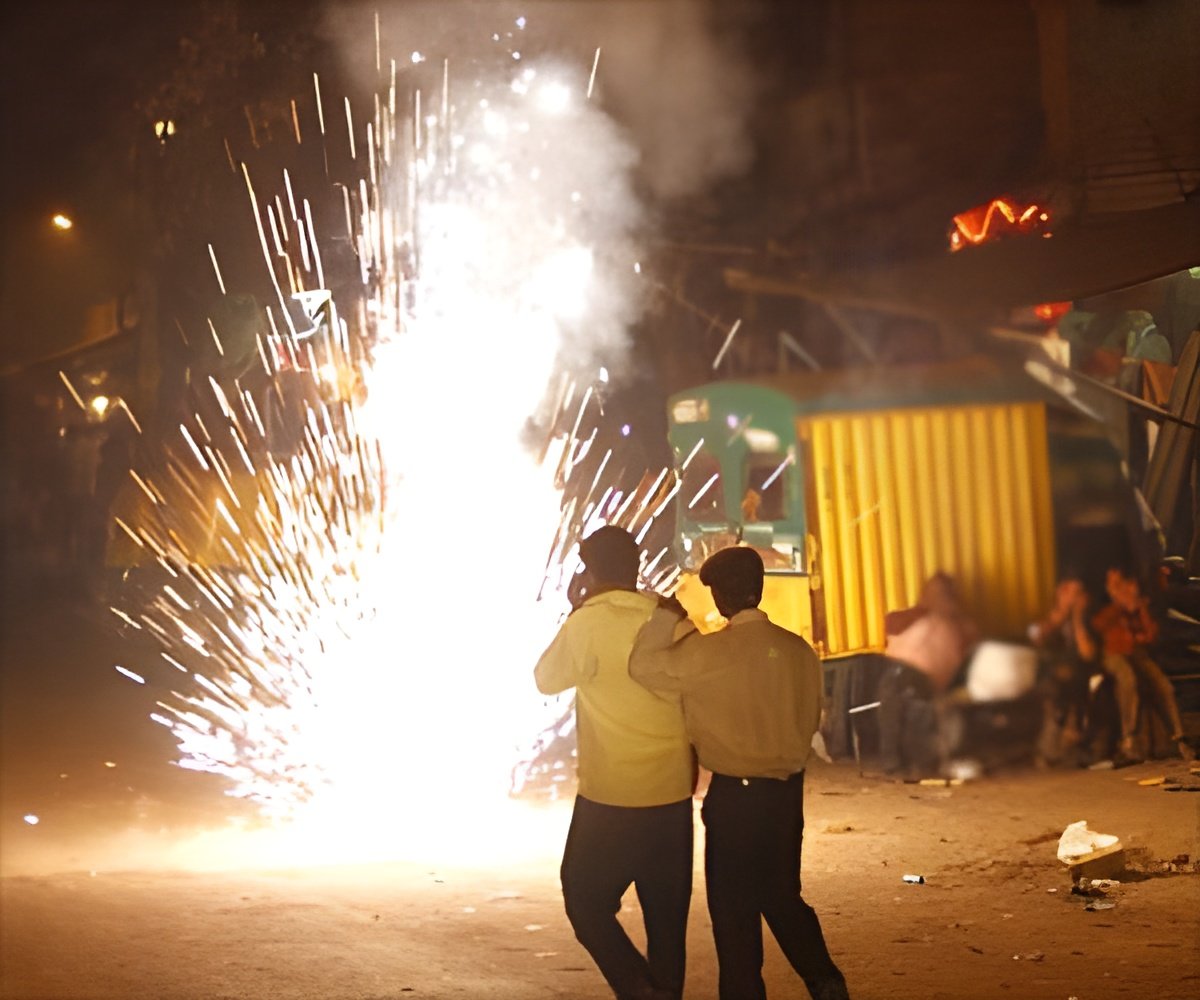
Go to source) during this year’s Diwali celebrations. The hospital’s Dr. Rajendra Prasad Centre for Ophthalmic Sciences reported 190 cases of ocular trauma during the 10-day festive period — a 19% increase from the 160 cases recorded in 2024.
Of particular concern, doctors said, were 18 to 20 cases linked to carbide guns, crude explosive devices made from calcium carbide and water. These home-assembled contraptions, they warned, are causing severe chemical and thermal burns, leading to irreversible vision loss in several patients.
“These are not traditional fireworks — they are chemical bombs,” said Dr. Radhika Tandon, chief of the RP Centre, addressing a press conference on Wednesday. “If someone peeps into the pipe due to a delayed chemical reaction, the gas buildup can explode directly into the eyes. Others can be struck by flying debris when the blast goes out of control.”
Common Eye Infections During Monsoon: How to Stay Safe
Monsoon brings eye infections! Know the types, home remedies and preventive measures to keep your eyes healthy.
Monsoon brings eye infections! Know the types, home remedies and preventive measures to keep your eyes healthy.
TOP INSIGHT

Nearly 44% of patients with firecracker-related ocular trauma in a recent study needed immediate surgical intervention to save their eye structure and vision. #FirecrackerSafety #EyeSafety #PostDiwali #EyeInjuries
Chemical Hazards and Rising Severity
Doctors said the severity of eye injuries has worsened compared to previous years, with several patients suffering from deep ocular surface burns and extensive tissue destruction. Carbide-based firecrackers, assembled by mixing calcium carbide with water to produce acetylene gas, create powerful explosions that also release toxic metal hydroxide fumes.“These blasts cause burn-like injuries and corneal damage that often lead to permanent blindness,” Dr. Tandon said. “We are seeing injuries we rarely encountered before — a sign that unsafe chemical-based fireworks are proliferating despite bans.”
The increase comes even as the Supreme Court had permitted the use of certified ‘green’ crackers for only two days — October 20 and 21 — this Diwali season. However, doctors said enforcement gaps and illegal sales continue to endanger lives.

Diwali Detox: Reset Your Body After the Sweet Overload
Post-Diwali detox backed by science helps cleanse the body, rebalance metabolism, and support liver and gut function.
Post-Diwali detox backed by science helps cleanse the body, rebalance metabolism, and support liver and gut function.
Delhi-NCR Accounts for 44% of Cases
Of the 190 firecracker-related ocular trauma cases reported at AIIMS, 44% were from Delhi-NCR, while 56% came from Uttar Pradesh and Haryana, where banned and uncertified crackers remain easily available despite restrictions.Most of the injured were young men — with an average age of 20 years and a male-to-female ratio of 5:1. Alarmingly, 17% of patients suffered injuries to both eyes, a statistic doctors say reflects the devastating potential of uncontrolled blasts.
Nearly 44% of patients required emergency surgery to save the eye structure and preserve residual vision. The injuries ranged from blunt trauma and corneal burns to open globe injuries, the most severe form of ocular damage.
“Nearly one in four patients arrived with severe visual impairment, while another quarter had moderate vision loss,” said a senior ophthalmologist from AIIMS. “Many were referred late from smaller hospitals, by which time irreversible damage had already occurred.”

Diwali Safety Tips to Follow While Bursting Crackers
How to ensure a safe Diwali? To avoid fire-related incidents, make sure to keep the lamps and fireworks away from curtains, inflammable objects, pets and children.
How to ensure a safe Diwali? To avoid fire-related incidents, make sure to keep the lamps and fireworks away from curtains, inflammable objects, pets and children.
Majority of Cases Reported on Diwali Day
More than half of the cases (51%) occurred on Diwali day itself, with most victims arriving at the emergency ward either that night or early the next morning. Doctors noted that several patients delayed seeking medical help, attempting home remedies that aggravated their injuries.AIIMS experts also highlighted that the cross-border flow of banned crackers and poor enforcement of court directives have allowed the problem to persist year after year.
“Despite the Supreme Court’s clear guidelines, uncertified fireworks and carbide-based devices are still being sold openly,” Dr. Tandon said. “Unless there’s strict interstate enforcement and public awareness, we’ll continue to see lives permanently affected.”
Quiz on Eye Disorders (Advanced)
When your eye is the mirror to your soul, how can you ignore your eye health? Take this quiz to find out how much you know about the common eye ...
When your eye is the mirror to your soul, how can you ignore your eye health? Take this quiz to find out how much you know about the common eye ...
AIIMS Calls for Stronger Action and Awareness
In its findings, AIIMS has urged authorities to:- Ban the manufacture, sale, and use of carbide-based firecrackers
- Tighten interstate enforcement and curb online sales of uncertified fireworks
- Launch awareness campaigns about ocular trauma and the use of protective eyewear
With Diwali continuing to witness widespread use of hazardous explosives despite legal restrictions, doctors say the festival’s sparkle is coming at a steep cost to vision and health.
References:
- Eye Injury: Types, Causes, Prevention & Treatment - (https://my.clevelandclinic.org/health/diseases/eye-injury)
 Email
Email