MEDINDIA
 English
 हिन्दी
 Español
 français
 中文
中文
Breast cancer care is evolving with targeted, personalized therapies that reduce side effects and improve quality of life.

Screening for Breast Cancer with Clinical Breast Examination
Clinical breast examination is a simple and inexpensive method of detecting breast cancer especially in women who do not have access to mammography.
Clinical breast examination is a simple and inexpensive method of detecting breast cancer especially in women who do not have access to mammography.
TOP INSIGHT

The stage at which #BreastCancer is diagnosed strongly correlates with a patient’s prognosis, making regular screening and community awareness essential components of prevention and care. Early detection saves lives. Don't delay your #mammogram! #WomenCancer #EarlyDetection #ScreeningSavesLives
Screening Saves Lives: Mammography and the Power of Early Detection
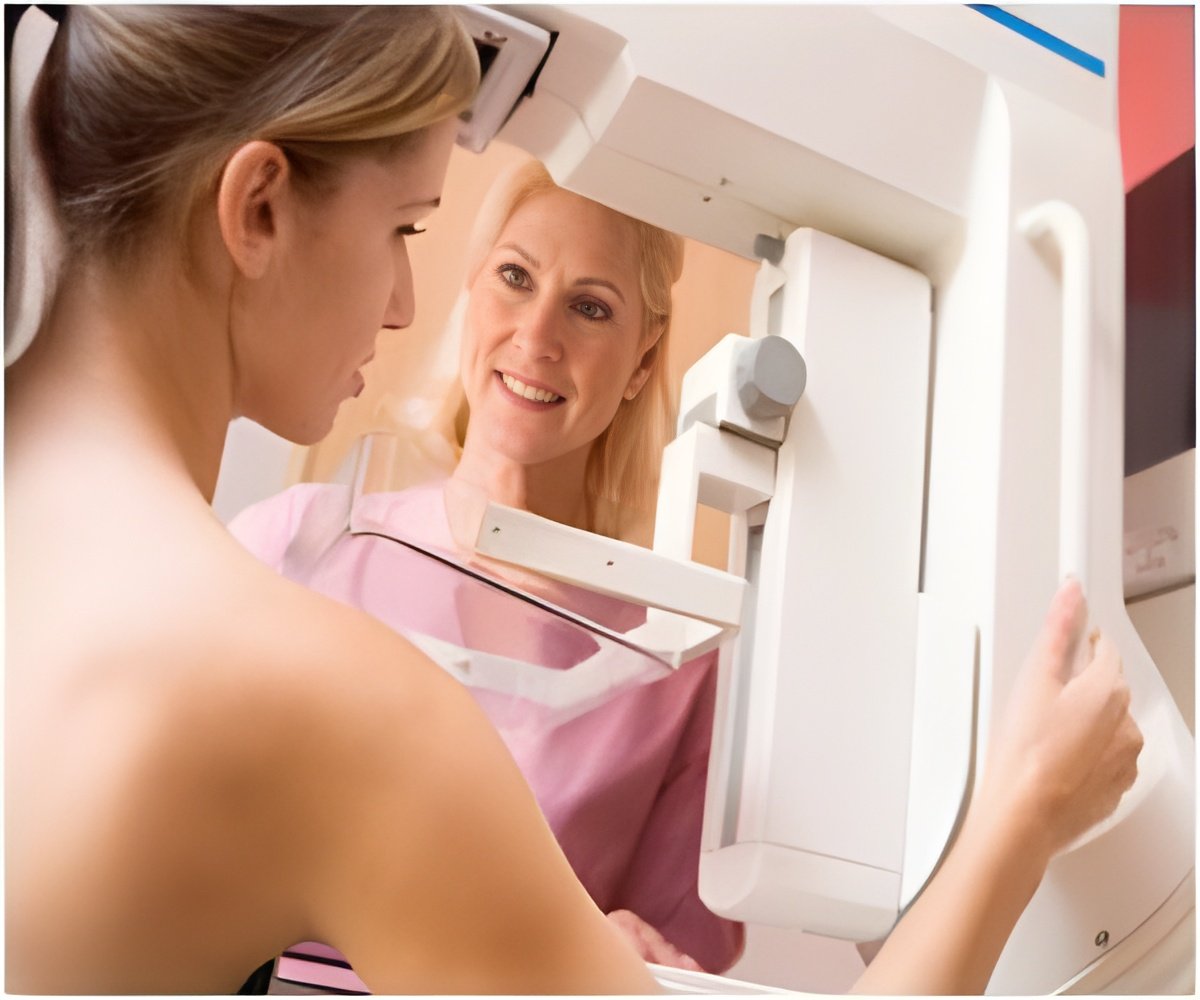
The earlier breast cancer is detected, the greater the likelihood of successful treatment. Mammography, one of the most effective tools for early screening, can identify cancer before symptoms appear — when treatment is most effective.GlobalData highlights that the stage at which breast cancer is diagnosed strongly correlates with a patient’s prognosis, making regular screening and community awareness essential components of prevention and care.
However, awareness is only the first step. Community outreach programs must ensure that education, access, and follow-up care reach everyone — from urban centers to remote communities. Early detection is not just about technology; it’s about equity, empowerment, and proactive health behavior.
While some breast cancer risk factors are beyond individual control — such as age and genetic mutations (like BRCA1 and BRCA2) — others can be mitigated. Lifestyle factors such as alcohol consumption, obesity, and prolonged hormone therapy can increase risk. Public education campaigns play a pivotal role in promoting risk-reducing behaviors, encouraging regular self-exams, and advocating for periodic mammograms.
For those with a family history of breast cancer, genetic testing is a valuable tool that can enable early intervention and personalized care.

Quiz on Breast Cancer
Breast cancer is one of the leading causes of cancer deaths among women. It is often said that a woman who breast-feeds is at a lower risk of developing cancer compared to another who does not .Are these mere old wives tales or is there some truth ...
Breast cancer is one of the leading causes of cancer deaths among women. It is often said that a woman who breast-feeds is at a lower risk of developing cancer compared to another who does not .Are these mere old wives tales or is there some truth ...
Emerging Technologies in Breast Cancer Detection and Care
Despite being the current gold standard, mammography has its limitations, particularly in women with dense breast tissue, where tumors may be more difficult to detect. To address this, emerging technologies are reshaping the landscape of breast cancer diagnostics. GlobalData notes that innovations like biomarker imaging and AI-driven diagnostic tools are showing promise in identifying early-stage tumors that might otherwise go unnoticed.These technologies also pave the way for personalized treatment plans, aligning therapies more closely with individual patient needs. As the global population ages, GlobalData predicts that the market for breast cancer products and technologies will continue to grow significantly, driven by both technological advancements and increasing demand for precision care.

Breast Cancer Risk Assessment Calculator
Breast Cancer Risk Assessment Calculator predicts the risk for breast cancer. Find list of breast cancer facts and more information on signs and symptoms of breast cancer and mammography.
Breast Cancer Risk Assessment Calculator predicts the risk for breast cancer. Find list of breast cancer facts and more information on signs and symptoms of breast cancer and mammography.
Bridging the Global Access Gap
Despite medical progress, access to breast cancer screening and treatment remains uneven. Amy Paterson, Medical Analyst at GlobalData, points out: “Access to screening and treatment is uneven across the globe. Low- and middle-income countries, and underserved populations in high-income countries, often have limited access to care around breast health — including mammography, follow-up, and modern therapies. This lack of access contributes to higher mortality rates.”Paterson emphasizes that mammogram screenings should ideally begin for women aged 40 to 50, depending on individual risk factors and family history. But beyond screening, equitable access means ensuring that affordability, infrastructure, transportation, and awareness programs are in place to support early intervention.

Interesting Facts About Breast Cancer
Did you know that breast cancer is the most common type of cancer for women? Here are some facts about Breast cancer
Did you know that breast cancer is the most common type of cancer for women? Here are some facts about Breast cancer
Breast Cancer Treatment: Evolving with Science
Treatment approaches vary based on the stage and type of breast cancer. Early-stage cancers are often treated with breast-conserving surgery (lumpectomy), where only the tumor and surrounding tissue are removed. In more advanced cases, mastectomy, chemotherapy, radiation, and hormone therapy may be necessary. The focus of modern oncology, however, is increasingly on targeted and personalized therapies that minimize side effects and improve quality of life.Encouragingly, the cost of diagnostic technology is gradually declining. According to GlobalData’s market research, the global volume of mammography equipment is expected to grow, while average selling prices continue to fall. This trend may enable underserved communities to acquire screening devices over the next several years — a key step toward reducing global disparities in breast cancer care.
Paterson concludes: “Efforts to address access issues should include affordability, infrastructure, transportation, and community outreach. Lower equipment costs could make a meaningful difference, allowing more women — regardless of geography or income — to receive life-saving early screening.”
Source-Medindia
 Email
Email