MEDINDIA
 English
 हिन्दी
 Español
 français
 中文
中文
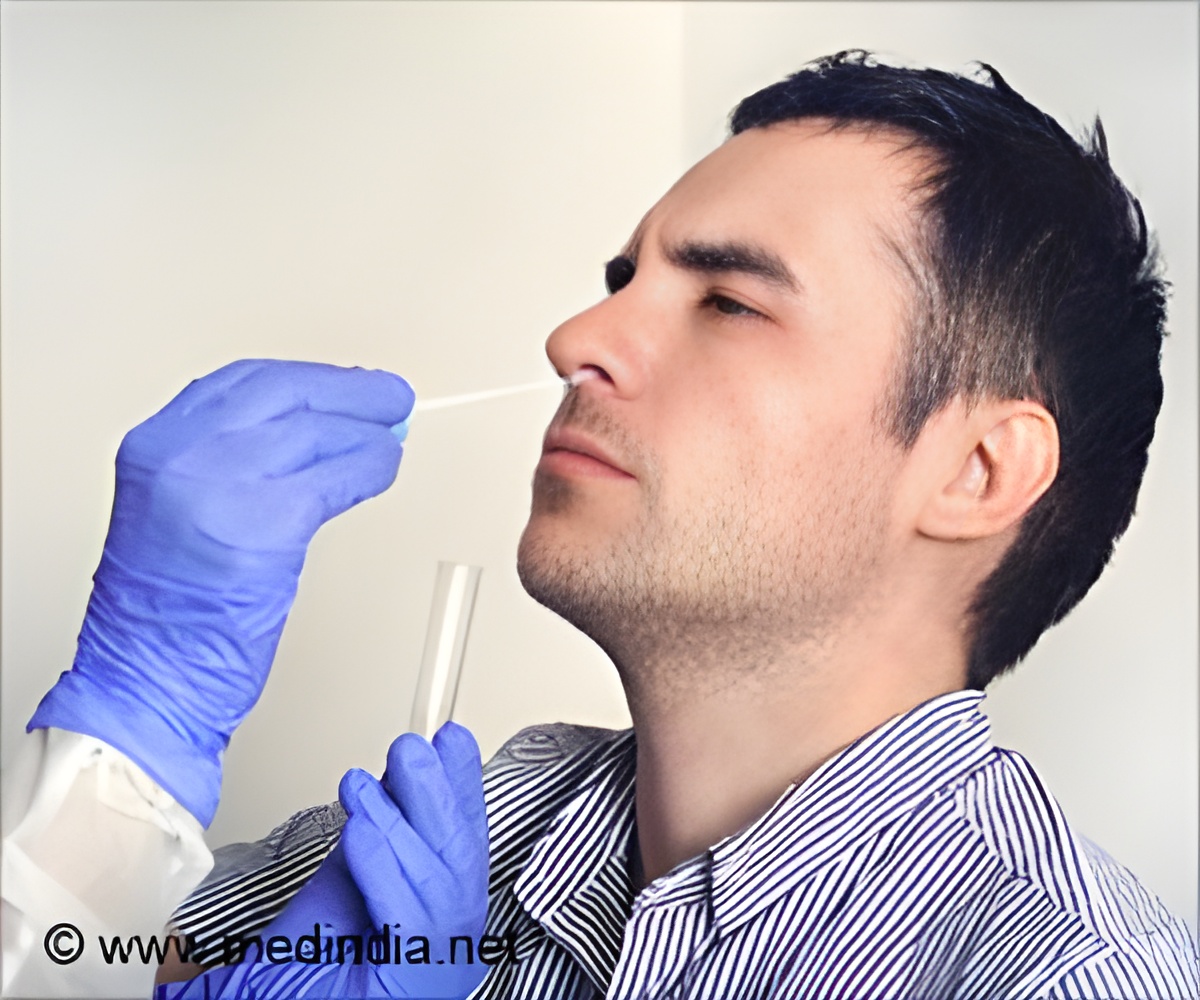
The use of nasopharyngeal swabs is the best method for detecting infectious COVID-19 virus in a relatively short period.
Finding The Best Way To Detect COVID-19
Researchers obtained samples from patients in Tompkins County through a collaboration with Dr. Elizabeth Plocharczyk from the Cayuga Medical Center. Four different samples were used: nasopharyngeal swabs, anterior nares swabs (front of the nostril), saliva, and sublingual swabs (under the tongue).
Omicron Variant of COVID-19
Omicron variant is a mutated strain of coronavirus (SARS-CoV-2) with faster transmissibility and enhanced virulence compared to the original COVID-19 virus.
Omicron variant is a mutated strain of coronavirus (SARS-CoV-2) with faster transmissibility and enhanced virulence compared to the original COVID-19 virus.
TOP INSIGHT

Identifying a sample type that would allow reliable detection of the COVID-19 virus, without significantly compromising the sensitivity of detection is very important.
When they compared the different sample types, the researchers found that nasopharyngeal samples provided the best rate of detection, from 92 to 100%. This is likely because the virus replicates in the nasal turbinate, the tissue structures in the uppermost portion of the nose.
Detection rates from anterior nares and saliva specimens were slightly lower, at 92 to 96% for symptomatic patients. This detection rate was lower when the samples came from asymptomatic patients (75% to 92%). SARS-CoV-2 detection of sublingual specimens was much poorer, with detection rates of only 40 to 60% from symptomatic patient specimens and 25% to 42% from asymptomatic patient specimens.
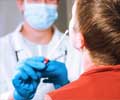
COVID in Children | Guidelines for Management of COVID-19 in Children
Covid-19 virus has affected many children during the second wave. Many factors play a role in COVID in children and the management of COVID in children. Therefore, it is highly essential for parents to know and understand the symptoms in children.
Covid-19 virus has affected many children during the second wave. Many factors play a role in COVID in children and the management of COVID in children. Therefore, it is highly essential for parents to know and understand the symptoms in children.
Nostril Swab Is The Right Specimen Choice For COVID-19
The team also investigated infectivity – the level of infectious viral particles excreted in each of the sample types and from the different patient categories.As predicted, the most infectious samples came from symptomatic patients, while fewer than one-third of specimens collected from asymptomatic patients were infectious. The scientists were unable to isolate any infectious virus from post-symptomatic patient samples.
Is �COVID Teeth� a Possible Symptom of the Fourth Wave of COVID-19?
Are new COVID-19 variants showing teeth and gum problems as early signs of COVID-19 infection? Experts warn not to ignore oral health.
Are new COVID-19 variants showing teeth and gum problems as early signs of COVID-19 infection? Experts warn not to ignore oral health.
This study also serves as the foundation for the Cornell COVID-19 surveillance program testing labs and confirmed the use of anterior nares specimens as the specimen of choice, given their reasonable sensitivity and ease of collection.
Wearing Mask in an Unmasked Crowd Can Still Protect You from COVID-19
Are you tired of wearing a face mask? You should still wear a mask that protects you and others from COVID-19 infection and to prevent virus transmission.
Are you tired of wearing a face mask? You should still wear a mask that protects you and others from COVID-19 infection and to prevent virus transmission.
Source-Medindia
 Email
Email