MEDINDIA
 English
 हिन्दी
 Español
 français
 中文
中文
Raising NAD+ levels with nicotinamide riboside may help improve cognition and recovery in those living with Long COVID.
Research Spotlight: Trial Evaluates a Vitamin B3 Derivative in People with Long COVID
Go to source).
TOP INSIGHT

Did You Know? Your body’s #vitamin status before you get sick can influence how fast your immune system “turns on” after a #COVID19 infection, especially #vitamins D and B3, which help immune cells switch from a resting state to an active, virus-fighting mode within hours. #covid19research #immunehealth #vitamind #medindia
Fighting Long COVID Symptoms by Powering Up Cellular Energy
Overview of the Study’s Purpose
Millions of people worldwide continue to experience lingering symptoms after COVID-19, a condition known as long COVID. These symptoms can affect people of all ages and often include , neurological issues such as “brain fog,”, which makes thinking and memory difficult. Because these problems can significantly disrupt daily life, researchers are working to find effective treatments.
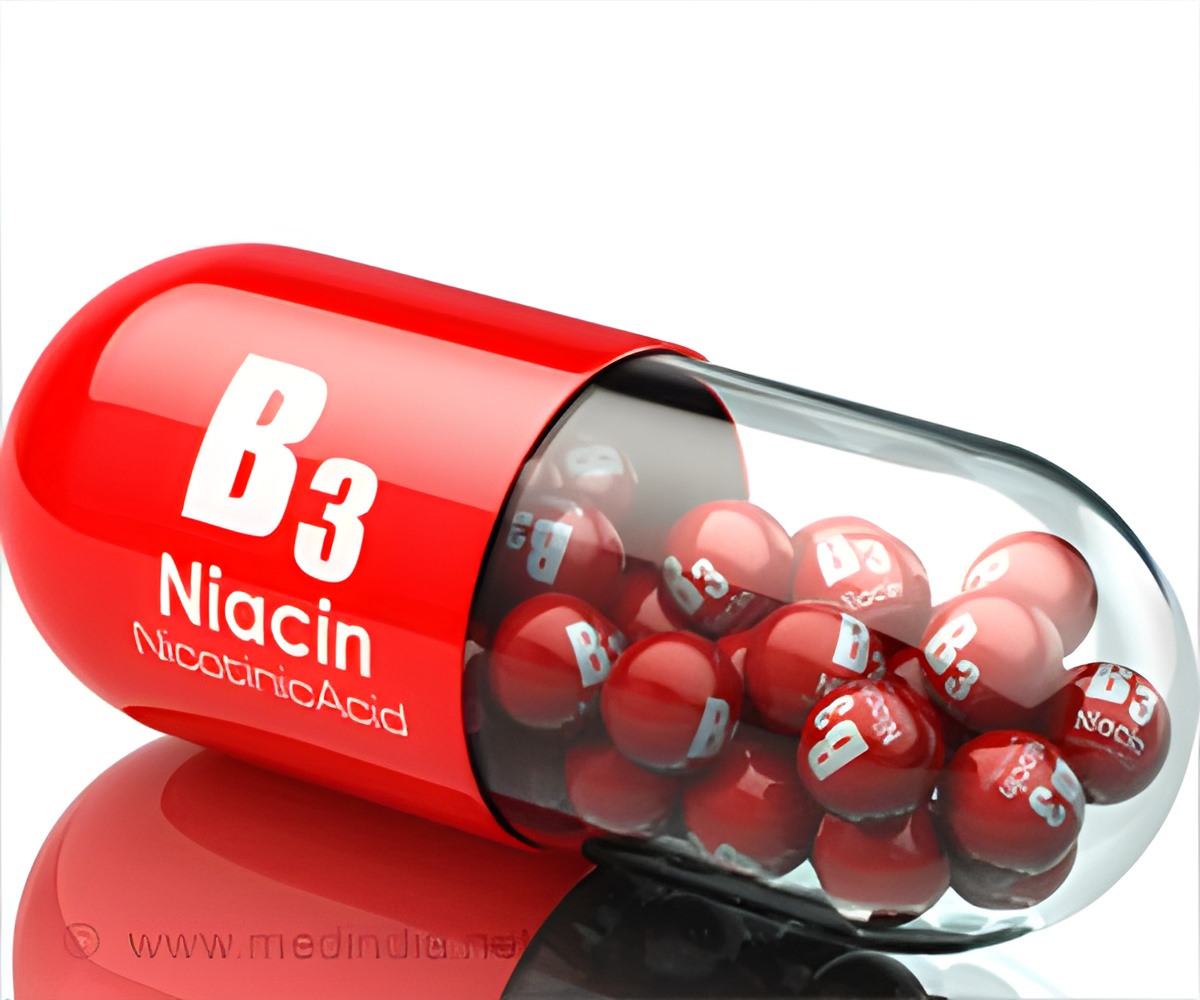
Our clinical trial tested whether raising levels of , NAD⁺, — a molecule that helps cells produce energy —through , nicotinamide riboside (NR), , a form of vitamin B3, could improve health outcomes. Participants took NR supplements for up to 20 weeks, and we tracked changes over time.
Test your Knowledge on Coronavirus (COVID-19)
Coronavirus is a large positive-strand RNA virus that is surrounded by a protein envelope. The virus obtains its name from the S protein spikes on its surface, which resemble a crown. The overall pattern of increasing coronavirus cases is shown to ...
Coronavirus is a large positive-strand RNA virus that is surrounded by a protein envelope. The virus obtains its name from the S protein spikes on its surface, which resemble a crown. The overall pattern of increasing coronavirus cases is shown to ...
Testing NR to Restore NAD⁺ in Long COVID Patients
Core Scientific Question Behind the Research
The NAD⁺ molecule is present in all human cells and is essential for energy production, immune function and inflammation control. Previous research suggests COVID-19 may interfere with NAD⁺-related biological processes, possibly contributing to neurological symptoms.In our study, we wanted to know if boosting NAD⁺ through NR supplementation could improve cognitive function and ease common long COVID symptoms.

What is Long COVID: Why Cases Remain Undiagnosed
Long Covid often goes undiagnosed, leaving many unaware of their condition. Learn about its symptoms, risks, and the importance of early diagnosis.
Long Covid often goes undiagnosed, leaving many unaware of their condition. Learn about its symptoms, risks, and the importance of early diagnosis.
Clinical Trial Design and Methods
We ran a 24-week clinical trial at Massachusetts General Hospital between August 2021 and September 2023. We enrolled 58 people with long COVID and randomly split them into two groups:One group took 2,000 mg of NR every day for 20 weeks.
The other group took a placebo (a fake pill) for 10 weeks, then switched to NR for the next 10 weeks.
To ensure unbiased results, neither the participants nor the researchers knew who was getting the real supplement at first.
We measured NAD⁺ levels through blood tests and asked participants to complete surveys and cognitive tests about memory, sleep, fatigue and mood at the beginning, at 10 weeks and at 20 weeks.

When are Vitamins Used as Drugs?
Vitamins are essential for critical functions in the body and partake in drug-nutrient interactions. Vitamins could be considered drugs as they may spark a light in preventing, mitigating, and treating disease.
Vitamins are essential for critical functions in the body and partake in drug-nutrient interactions. Vitamins could be considered drugs as they may spark a light in preventing, mitigating, and treating disease.
Key Findings From the Trial
Of the 58 people who joined the study, 37 started NR right away, and 21 began with the placebo. Only 18 people completed the full 22-week protocol. The others left the study for reasons such as getting COVID again, moving, changing medications or experiencing possible side effects.When we compared the two groups, we didn’t see major differences in thinking or memory scores, which were the main focuses of the study. Other symptoms like fatigue, sleep and mood also didn’t show big differences between groups.
However, in exploratory post hoc analyses with a slightly larger sample size of everyone who took NR for at least 10 weeks, we observed improvements in self-reported fatigue, sleep, and depressive symptoms after 10 weeks of NR supplementation compared to baseline.
Some also performed better on a task of executive functioning, a set of mental skills that help us, for example, plan, organize, and switch between tasks. This suggests that some people may benefit from the use of NR, even if the overall results didn’t show clear differences between groups.
What’s Next: Key Questions for Future NAD⁺ and Long COVID Research
Potential Clinical Implications
Q: What are the implications?
Long COVID affects an estimated 400 million people worldwide, yet its causes remain unclear. In this study, high-dose NR safely boosted NAD⁺ levels. While results were mixed, findings suggest that boosting NAD⁺ may play a role in easing symptoms like fatigue and poor sleep for some people. This points to a promising direction for future treatments.
The most common side effects were mild, such as easy bruising or rash. None were serious, and only a few participants discontinued due to side effects
Future Research Directions
Future studies should include larger and more diverse groups to confirm these findings and identify who benefits most. For example, do men and women respond differently? Are people with lower baseline NAD⁺ levels or higher inflammation more likely to improve? Because long COVID often involves inflammation, an important question is whether boosting NAD⁺ can help reduce it.We also plan to analyze physical activity data collected during the trial, as well as examine whether other supplements taken by participants influenced NR’s effects.
Reference:
- Research Spotlight: Trial Evaluates a Vitamin B3 Derivative in People with Long COVID - (https:www.massgeneralbrigham.org/en/about/newsroom/articles/trial-of-vitamin-b3-derivative-in-people-with-long-covid)
Source-Mass General Brigham
 Email
Email