MEDINDIA
 English
 हिन्दी
 Español
 français
 中文
中文
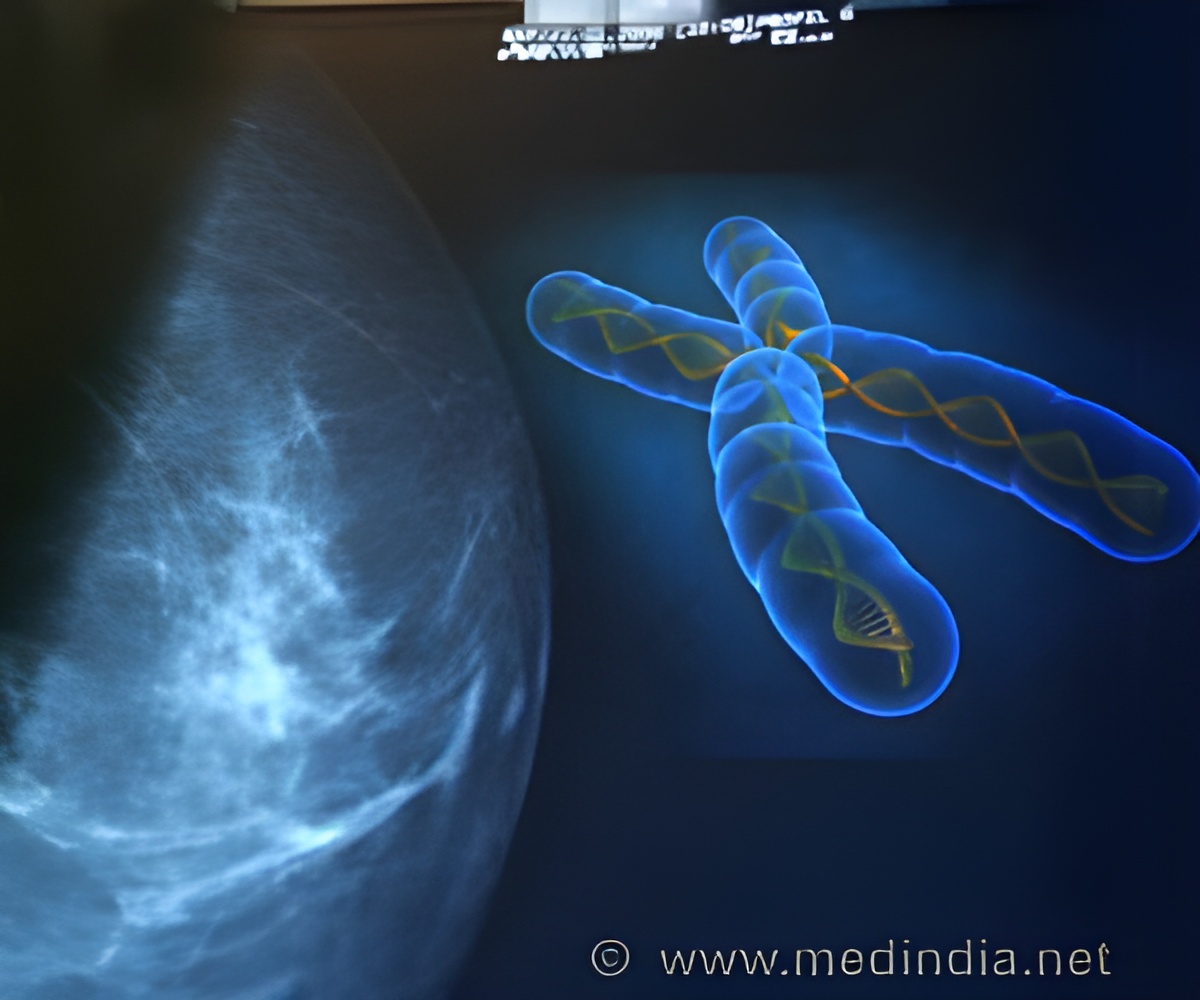
Targeting mutation on the BRAF gene may be an effective therapy for ovarian cancer patients with a tumor mutation in the BRAF gene. This research highlights the importance of using targeted therapies for rare ovarian tumor types.
Ovarian Cancer | Cancer in the Ovaries - Causes, Symptoms, Treatment & Prevention
Ovarian cancer affects both the ovaries and is referred to as the 'silent killer' as the symptoms go unnoticed until the disease advances.
Ovarian cancer affects both the ovaries and is referred to as the 'silent killer' as the symptoms go unnoticed until the disease advances.
TOP INSIGHT

Targeted therapies that target mutation on the BRAF gene may be an effective therapy for ovarian cancer patients with a tumor mutation in the gene.
PhD student Dr Tania Moujaber from the Westmead Institute for Medical Research examined information from more than 1,000 ovarian cancer patients across Australia, including from the Australian Ovarian Cancer Study, to identify cases of low-grade serous cancer.
Dr Moujaber identified nine women with the BRAF mutation. Four of these patients relapsed soon after regular primary treatment.
Ovarian Cysts - Types, Causes, Symptoms, Diagnosis, Treatment
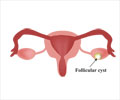
Ovarian cysts are fluid-filled sacs in the ovary. Mostly detected on pelvic examination. Cyst removal is needed if the cysts cause pain, cancerous or symptomatic.
Ovarian cysts are fluid-filled sacs in the ovary. Mostly detected on pelvic examination. Cyst removal is needed if the cysts cause pain, cancerous or symptomatic.
"Both have had excellent, long-lasting responses.
Polycystic Ovarian Syndrome - Overview
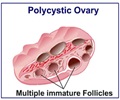
Polycystic ovarian syndrome is the most common hormonal disorder among women of reproductive age and can cause infertility.
Polycystic ovarian syndrome is the most common hormonal disorder among women of reproductive age and can cause infertility.
Dr Moujaber said the findings are encouraging for women with BRAF-mutated ovarian cancers, who may not respond to conventional chemotherapy.

About Cancer in Women
Cancer is one of the frequently talked about and most feared disease that falls under the genre of lifestyle diseases that have evolved, rather rapidly, in the past two decades.
Cancer is one of the frequently talked about and most feared disease that falls under the genre of lifestyle diseases that have evolved, rather rapidly, in the past two decades.
The research was conducted by the ovarian cancer research team at the Westmead Institute for Medical Research (WIMR), led by Professor Anna deFazio and Professor Paul Harnett, together with collaborators in Melbourne and Brisbane.
Outcomes for women with ovarian cancer are slowly improving, but the 5-year survival rate is still only 40 percent.
Professor deFazio said that one barrier to improving outcomes is that ovarian cancer is currently treated as a single disease.
"Chemotherapy and surgery are the standard treatment for women with ovarian cancer, but each patient responds differently," Professor deFazio said.
"Ovarian cancer is a complex and diverse disease, so we can't assume the same treatment will work for everyone.
"This research highlights the importance of using targeted therapies for rare ovarian tumor types, such as those with BRAF mutations," Professor deFazio concluded.
Professor deFazio and her team are leading a longitudinal study, called INOVATe, which aims to integrate this level of precision medicine into routine care for all women with ovarian cancer.
Source-Eurekalert
 Email
Email