MEDINDIA
 English
 हिन्दी
 Español
 français
 中文
中文
A study led by St. Jude Children's Research Hospital offers clues for interventions to help young cancer survivors with severe hearing loss master reading.
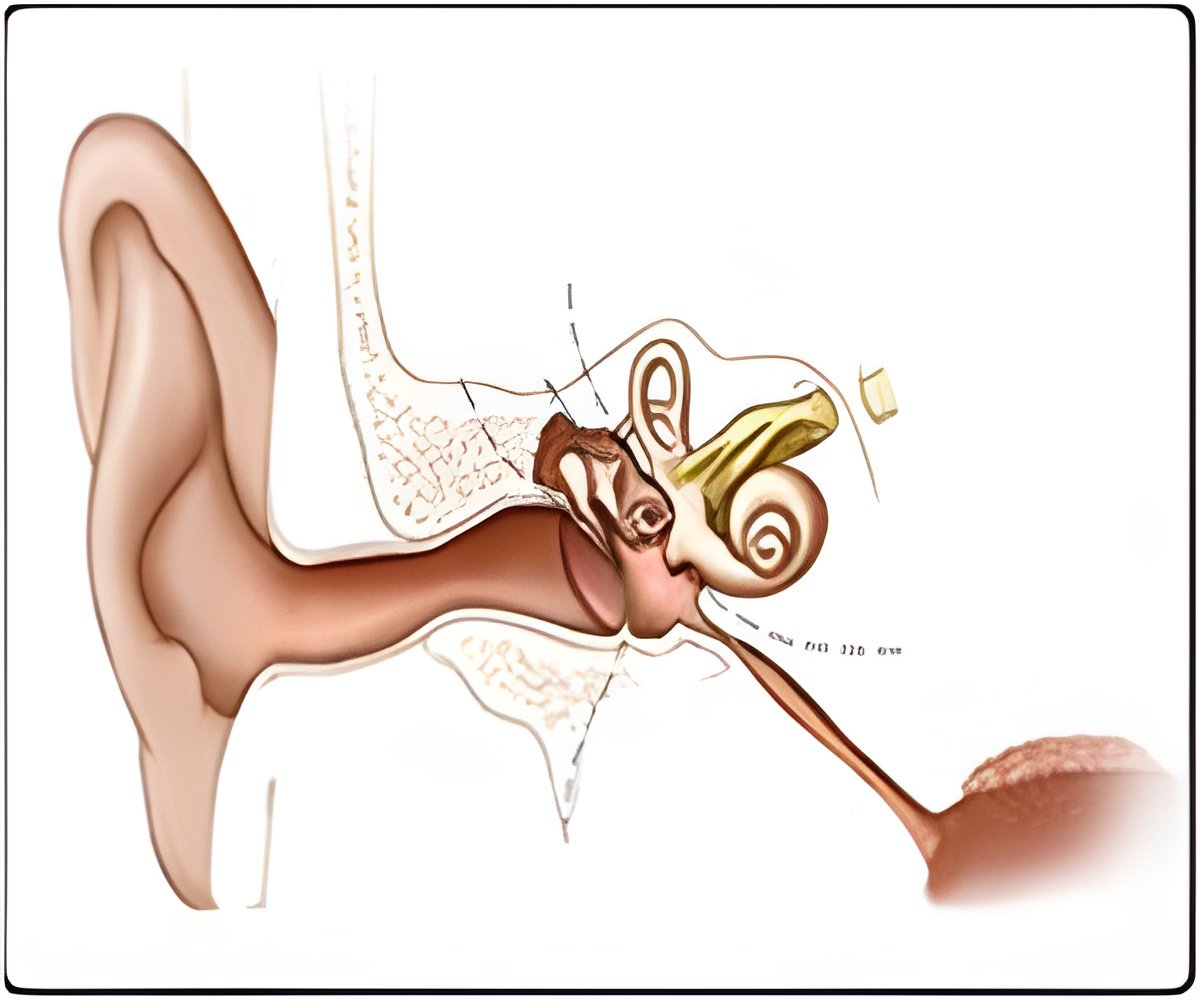

Hearing Loss - Symptom Evaluation - Causes, Diagnosis, Treatment, Health Tips, FAQs
Hearing loss is a common problem that could occur in childhood or often develops with age or is caused by repeated exposure to loud noises. Keep abreast on its causes and symptoms.
Hearing loss is a common problem that could occur in childhood or often develops with age or is caused by repeated exposure to loud noises. Keep abreast on its causes and symptoms.
TOP INSIGHT

Younger children, those less than 7 years old, were particularly vulnerable to declines in skills that are fundamental for reading mastery.
"Reading is a skill that takes a long time to learn and that we depend on for learning our entire life," said senior and corresponding author Heather Conklin, Ph.D., a member of the St. Jude Department of Psychology. "There had been hints in the scientific literature that reading was declining in pediatric brain tumor survivors and that hearing loss may be a contributor. But this is the first study to identify the key cognitive components that lead to reading problems."
The findings suggest that interventions should focus on improving neurocognitive and language-based skills like processing speed and phonemics before tackling more complex tasks like reading comprehension, said first author Traci Olivier, Psy.D., formerly a St. Jude postdoctoral fellow and now at Our Lady of the Lake Medical Center, Baton Rouge, Louisiana.

Childhood Cancer - Types, Causes, Symptoms, Diagnosis, Complication & Prevention
Childhood or pediatric cancers occur in children less than 15 years of age. They are rare and differ from adult tumors in their location and behaviour.
Childhood or pediatric cancers occur in children less than 15 years of age. They are rare and differ from adult tumors in their location and behaviour.
Brain and spinal cord tumors are the second most common childhood cancers. These tumors account for about 1 in 4 newly diagnosed pediatric cancers annually.

Recovering Fertility in Girls Who Survive Childhood Cancer
Researchers have developed a procedure that restores the ability of girls who underwent leukemia treatments to become biological mothers.
Researchers have developed a procedure that restores the ability of girls who underwent leukemia treatments to become biological mothers.
The analysis involved 3- to 21-year-olds with medulloblastoma and other embryonal brain tumors. All patients were enrolled in a multi-site St. Jude clinical research trial and treatment that included surgery plus risk-adapted radiation treatment and chemotherapy. All had neurocognitive and hearing testing at least twice--early and later in treatment.

Genetic Variant Boosts Stroke Risk in Childhood Cancer Survivors
A genetic risk factor that confers a high risk of stroke among childhood cancer survivors treated with cranial radiation therapy has been discovered.
A genetic risk factor that confers a high risk of stroke among childhood cancer survivors treated with cranial radiation therapy has been discovered.
The analysis proposed multiple factors, including damage to the hearing nerve caused by the tumor itself, that complicate reading mastery for pediatric brain tumor survivors with severe hearing loss. "That suggests we have an opportunity to significantly improve the quality of life for survivors by developing more effective interventions," Conklin said.
Research is needed to determine how and when to intervene to bolster reading skills in young cancer patients. That includes tracking how cochlear implants or hearing aids affect reading and neurocognitive skills in young cancer survivors. Data on hearing aid use in this study was incomplete.
"Compared to vision loss, hearing difficulties often go undetected for longer periods. This study demonstrates the need for close audiological monitoring early in treatment so we can recognize and intervene early," Olivier said. "Parents might not realize the impact of decreased hearing on educational outcomes."
Source-Eurekalert
 Email
Email